What happened
Induction AI's benchmark trials shared a prompt cache, so later trials read earlier trials' opening tokens at a discount and cost readings were skewed. Giving each trial a tool named with a unique trial id keeps trials from matching each other's prefix.
Why it matters
Prompt caching is part of real-world agent economics, so disabling it outright would misrepresent costs.
Summaries like this, every morning.
Induction AI builds context optimization for AI agents, and it runs benchmarks both to test new optimization ideas and to verify cost savings without compromising accuracy. In early experiments, benchmark trials shared a prompt cache, which made later trials cheaper and skewed cost measurements. The company typically runs multiple trials of the same task and computes statistics on cost and accuracy distributions, but the prompt cache has no idea which conversation a request belongs to: any request whose opening tokens match a recently processed prefix reads that prefix at a discount.
Because trials of the same or related tasks start with the same tools, system prompt, task message, and often the same first few tool calls, trial 2 could read trial 1's opening turns from the cache. That includes trials launched in parallel, since the cache entry exists as soon as the first request is processed. Induction AI's cache invalidation simulator showed that tools sit at the very top of the prefix and that adding a tool leaves nothing cached — which pointed to the fix: give each trial a tool whose name carries a trial id, different across trials so no trial matches another's prefix from its first tokens, but the same for the whole trial so its own turns still cache against each other.
The team uses benchmarks such as tau3 and Toolathlon to measure how much context optimization reduces inference costs while maintaining task success rates. It notes that injecting a unique dummy tool turned out to be a simple solution, and a reminder that the infrastructure surrounding an LLM can influence benchmark results as much as the model itself.
Pick your industry and the AI tools you use, and get news related to your work every day.
Free · 30 seconds with Google · unsubscribe anytimeWhat is AIToday? →
Ask AI anything about this article. The AI reads this article, earlier AIToday articles, and Wikipedia, and cites its sources. Q&As are published on this page for other readers too.
Moonshot AI released Kimi K3.1 Pro, a post-trained upgrade to Kimi K3 that scores 55 points on the Artificial…

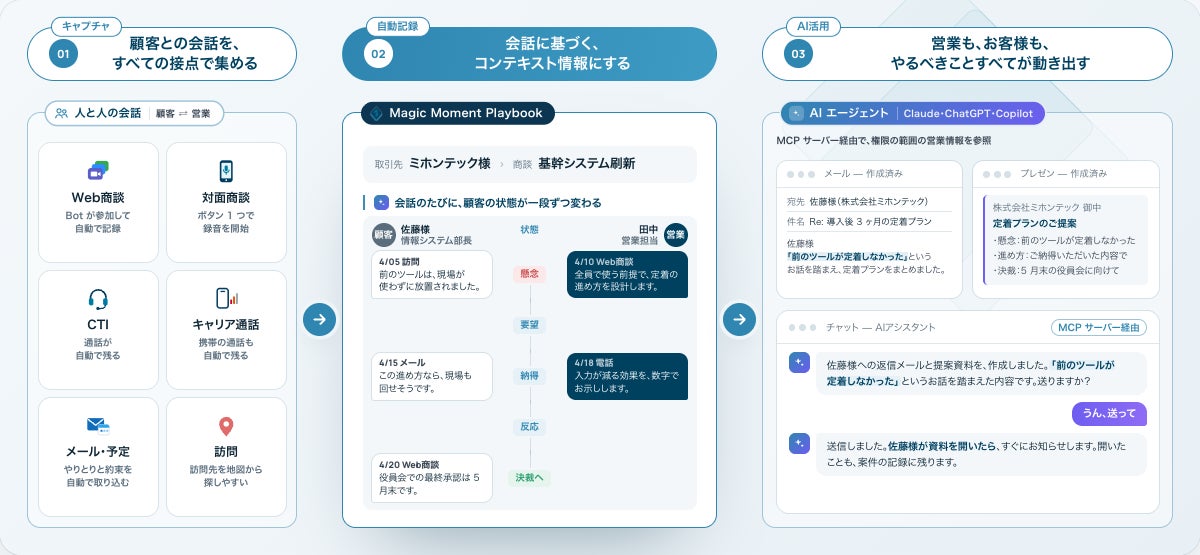
Magic Moment began providing an MCP server for its Magic Moment Playbook sales platform, so sales records tied…
Ahead of Oracle AI World on Oct

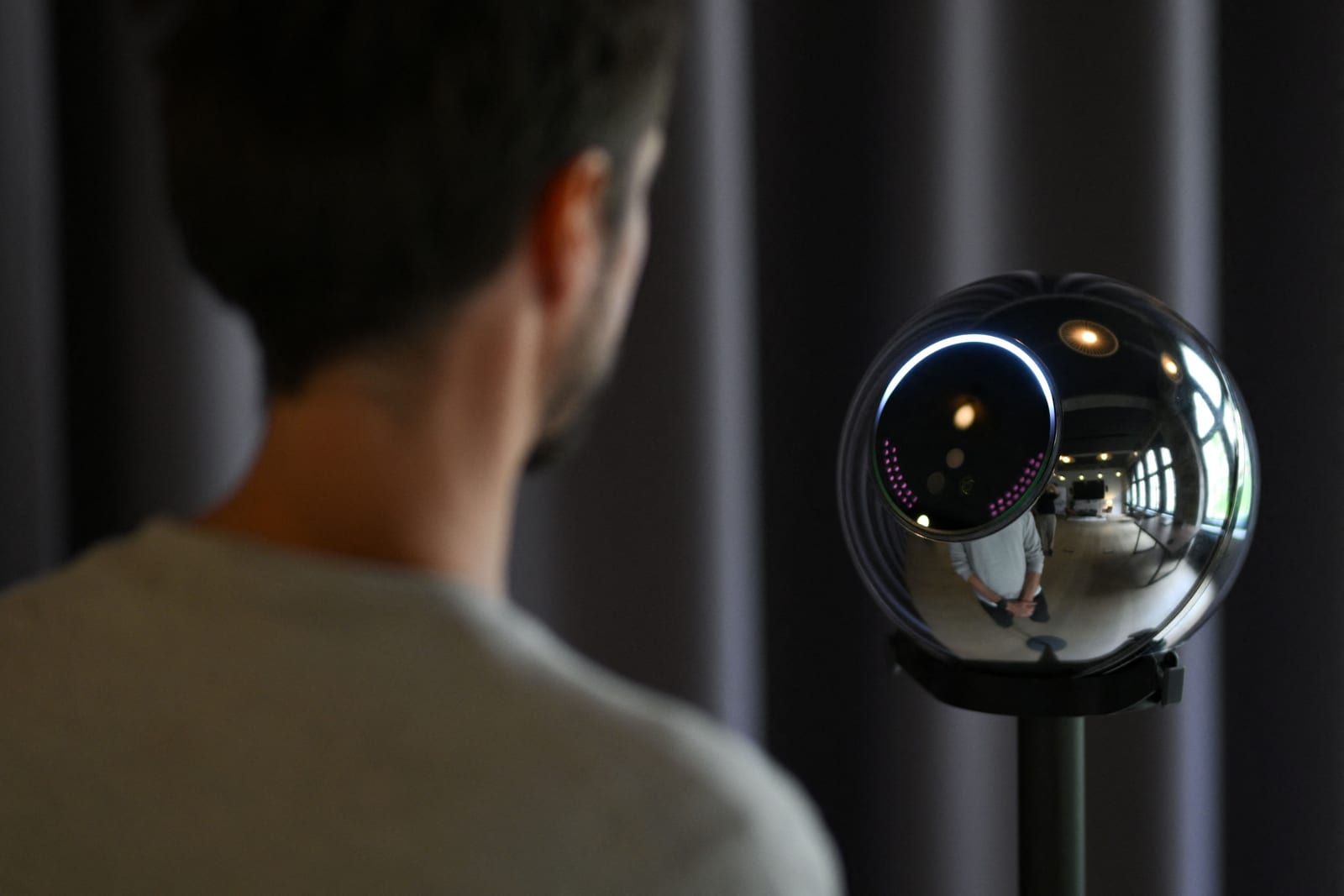
World, co-founded by Sam Altman, this week announced tools that let people link their proof of humanity to an…
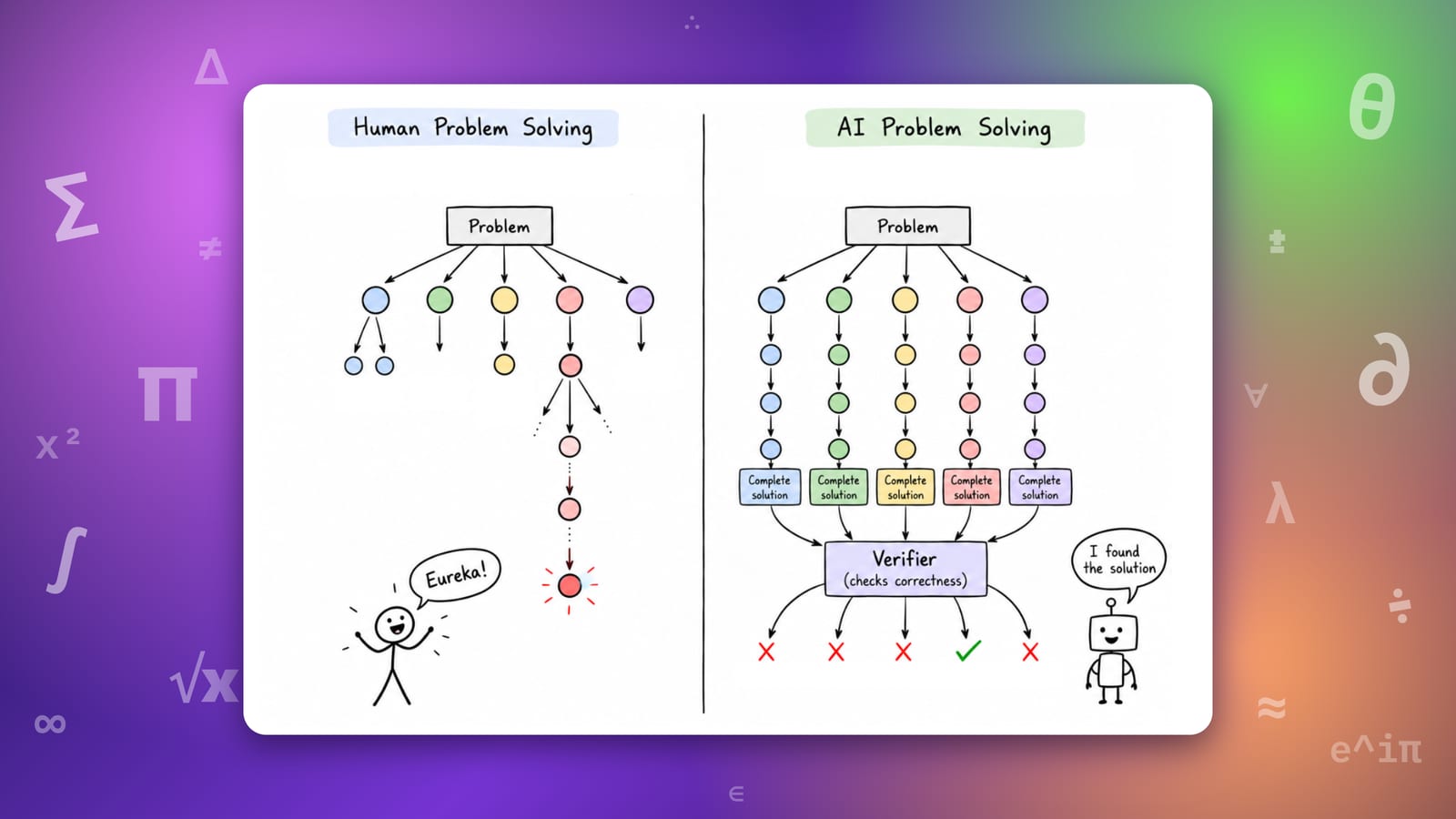
In commentary on the unit-distance proof, Jacob Tsimerman, recently hired by OpenAI, said AI's edge is that it…
Anthropic says its unreleased research model outperforms Mythos 5.1 in capability and alignment, halting ongoi…