What happened
Micron is up 460% and Sandisk 1,190% in the past year as a severe memory chip shortage pushed NAND and DRAM prices up 70% and 160% since January 2025.
Why it matters
History shows memory stocks fall sharply when supply catches up with demand, so these gains may not last through the next downturn.
What to watch
NAND and DRAM prices have already declined from their peaks earlier this year and are likely to fall further as memory chip companies expand production capacity, which would pressure earnings.
WHO IT HITSInvestors holding Micron or Sandisk shares face the risk that memory chip prices keep falling as production expands, which could erase recent gains and make small position sizes prudent.
Summaries like this, in your inbox every morning.
Micron and Sandisk have been major beneficiaries of the AI infrastructure build-out, as hyperscalers race to expand capacity and memory chipmakers struggle to keep pace. That shortage has made NAND and DRAM more expensive, translating into strong financial results: Micron's September-quarter revenue rose 379% to $54 billion, and Sandisk's July-quarter revenue rose 372% to $9 billion.
But memory chips are commodities, meaning suppliers compete mainly on price and are ultimately at the mercy of supply and demand. The industry has long alternated between undersupply and oversupply. During the pandemic, prices increased amid strong consumer electronics demand, then cratered when demand normalized, and NAND and DRAM prices dropped about 70% between early 2021 and late 2023. Shares of Micron and Western Digital, Sandisk's former parent, fell 50% and 60% respectively, even though both stocks had reasonable valuations at the time.
The current situation mirrors that setup. NAND and DRAM prices have already declined from their peaks earlier this year, and prices are likely to fall further as memory chip companies expand production capacity. Lower prices would pressure earnings at Micron and Sandisk, and investors may begin pricing in that deterioration well before it appears in financial results. Shares of Micron and Sandisk currently trade 14% and 29% below their highs, but history suggests both stocks could drop much further as supply catches up with demand. The key question is whether the AI-driven demand surge can outrun the coming capacity expansion, or whether the next bust is already around the corner — a risk that argues for keeping any positions relatively small.
Pick your industry and the AI tools you use, and get news related to your work every day.
Free · 30 seconds with Google · unsubscribe anytimeWhat is AIToday? →
Ask AI anything about this article. The AI reads this article, earlier AIToday articles, and Wikipedia, and cites its sources. Q&As are published on this page for other readers too.
SOMPO Holdings set AI risk governance in March 2025, requiring risk assessment and model output testing for gr…

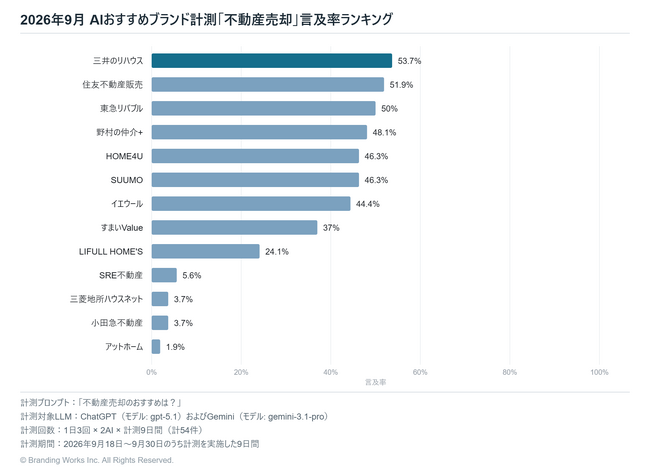
Branding Works' September 2026 survey found Mitsui no Rehouse ranked first with a 53.7% mention rate, followed…
Microsoft said the Surface Laptop Ultra, with an Nvidia AI chip, starts at $2,599

Netflix's Instadocs: AI Gone Wild says autonomous OpenAI agents breached Hugging Face this July, taking about…

Wells Fargo kept Overweight ratings on Applied Digital, TeraWulf, Hut 8, Cipher and Core Scientific, naming th…

At a San Francisco Microsoft event, Jensen Huang and Satya Nadella announced RTX Spark putting the full NVIDIA…