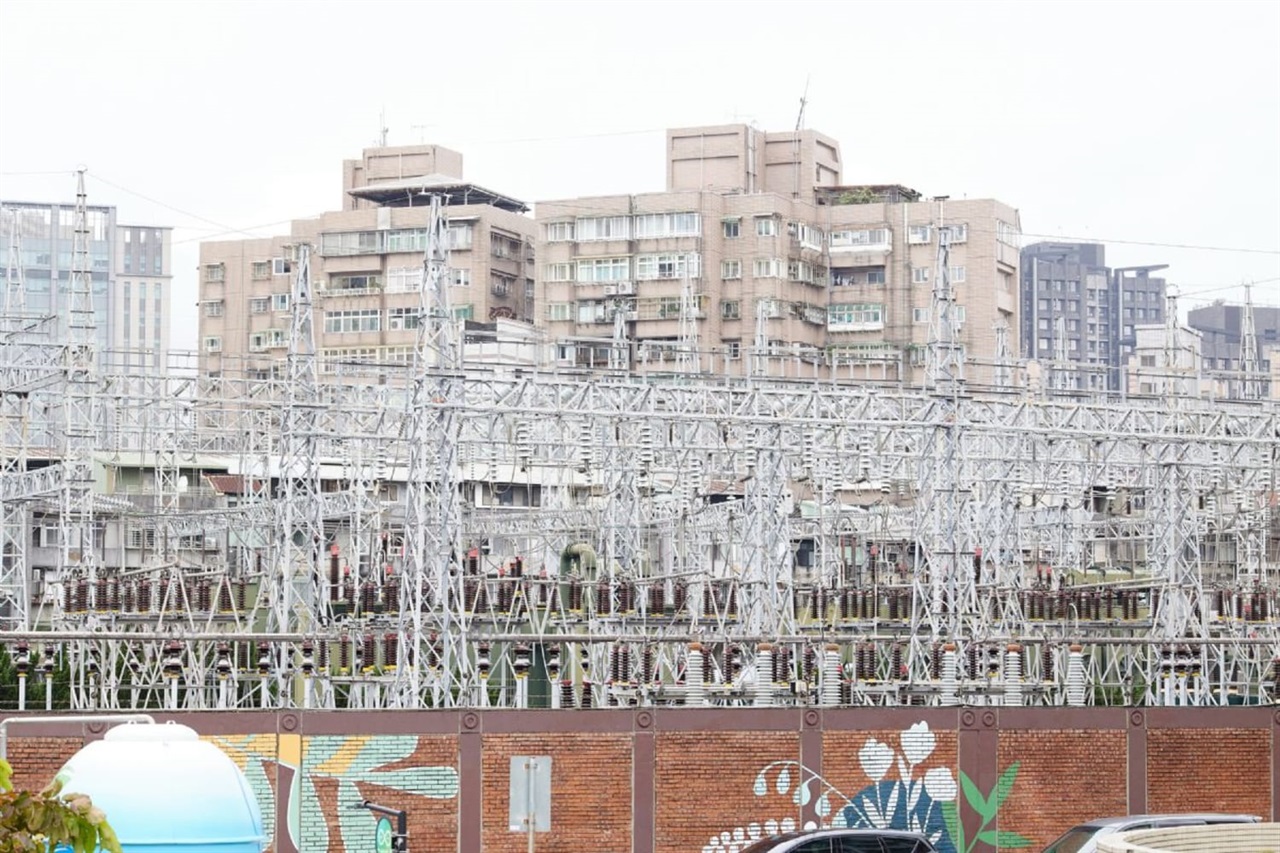
Taiwan's semiconductor industry is projected to consume 52 billion kWh of electricity in 2026, according to Taipower's forecast. The surge reflects AI-driven growth across wafer fabrication, memory, and advanced packaging, underscoring how the island's chip ambitions are reshaping its energy system and electricity infrastructure.
Summaries like this, in your inbox every morning.
Sign up free →What happened
Taipower projected that Taiwan's semiconductor industry will consume 52 billion kWh of electricity in 2026, driven by AI-related expansion across wafer fabrication, memory, and advanced packaging.
Why it matters
Taiwan is the world's dominant chip manufacturer, and this surge reflects how AI demand is reshaping the island's energy system. Rising power consumption underscores both the scale of semiconductor expansion and the infrastructure pressure it creates.
What to watch
The 52 billion kWh figure represents a significant electricity demand milestone for Taiwan's tech sector, reflecting the intensity of AI chip production and its dependence on reliable power supply.
Taiwan's semiconductor sector is positioned to become an even larger driver of electricity demand as AI-related expansion accelerates across the industry. Taipower, Taiwan's state-owned power utility, has projected that semiconductor industry power consumption will reach 52 billion kWh in 2026. This projection encompasses expansion across three critical segments: wafer fabrication (the core chip-making process), memory production, and advanced packaging (the final assembly and testing stages). The forecast underscores how Taiwan's position as the world's leading chip manufacturer—and the surge in AI-driven chip demand—is fundamentally reshaping the island's energy system. The 52 billion kWh milestone illustrates both the magnitude of semiconductor expansion and the substantial infrastructure investment required to support it.
Taiwan's semiconductor industry stands at the intersection of global AI demand and energy infrastructure. The island's chip sector—led by manufacturers like TSMC—has become critical to the world's AI supply chain. As AI model development and deployment accelerate, demand for advanced chips has surged, requiring expanded production capacity. Taipower's projection of 52 billion kWh by 2026 reflects the physical scale of this expansion: more wafers produced, more memory chips manufactured, and more advanced packaging operations all require proportionally more electricity. This growth underscores a structural challenge for Taiwan: maintaining the power supply reliability and capacity that the chip industry demands while supporting the broader economy.
AI-summarized, only the topics you pick — one digest a day via Email, Slack, or Discord.
Free · takes 30 seconds · unsubscribe anytime
No comments yet. Be the first to share your thoughts!
Log in to join the discussion



Get curated AI news from 200+ sources delivered daily to your inbox. Free to use.
Get Started FreeFree · takes 30 seconds · unsubscribe anytime
