What happened
24/7 Wall St. set a $613.43 price target on Microsoft versus a current price of $495.22, implying 22.85% upside over the next 12 months, with a buy rating and 90% confidence.
Why it matters
The call rests on the view that Microsoft's AI spending is starting to show financial leverage the market has not fully priced in, which the firm says makes the shares look reasonable on earnings power.
What to watch
The thesis hinges on whether Azure holds its mid-40s growth rate into calendar 2027; it weakens if AI capex growth outpaces backlog conversion for two consecutive quarters. Watch the FY27 Azure guide of roughly 45% growth in constant currency.
WHO IT HITSIndividual investors and analysts tracking Microsoft and the wider AI trade now have a concrete bull-case number to weigh against the $576.40 Wall Street consensus target. Portfolio managers comparing Microsoft with Alphabet and Amazon are the ones most directly affected by how the AI spending-to-revenue conversion story plays out.
Summaries like this, in your inbox every morning.
Microsoft's own numbers set up the call. Fiscal Q4 2026 revenue hit $90.01 billion, up 17.8% year over year, non-GAAP EPS of $4.74 beat estimates by 11.81%, and Azure crossed $100 billion in full-year revenue for the first time. A previously skeptical CNBC analyst said this week that Microsoft has "clearly turned the corner" on monetizing its buildout.
The bull case leans heavily on the backlog. Commercial remaining performance obligations surged 84% year over year to $678 billion, which the firm frames as multi-year revenue visibility few software companies can match. Azure grew 43%, Microsoft 365 Copilot passed 30 million paid seats, and CFO Amy Hood told investors that "demand continues to exceed available supply" for Azure capacity.
The bear case starts with capex. Full-year FY26 capital expenditures ballooned to $115.95 billion, dragging free cash flow down 6.46% despite record earnings, and OpenAI-related investment losses widened to $3.1 billion in Q1 FY26. Hood's counter is that GPU-heavy capex is "short-lived assets" that can be throttled if demand softens. The near-term test is whether Azure can keep its mid-40s growth pace and convert that backlog, and whether Alphabet's cheaper multiple and faster cloud growth pull investor money away.
For example, today's edition would include:
AI-summarized, only the topics you pick: one digest a day via Email, LINE, or Slack.
Free · 30 seconds with Google · unsubscribe anytimeWhat is AIToday? →
Ask AI anything about this article. The AI reads this article, earlier AIToday articles, and Wikipedia, and cites its sources. Q&As are published on this page for other readers too.
Nvidia CEO Jensen Huang told CNN's Anderson Cooper AI safety is an engineering problem solved by more compute…
Microsoft released Copilot Managed Runtime in public preview, running apps built with Microsoft Copilot inside…
Anthropic and OpenAI CEOs say their most advanced models are dangerous and need independent testing, while ex-…

Trump said he and Xi Jinping have no interest in slowing AI, telling his social media platform: "I want to lea…

OpenAI's Head of Applied Research, Boris Power, said 80 to 90 percent of the company's research goes toward GP…

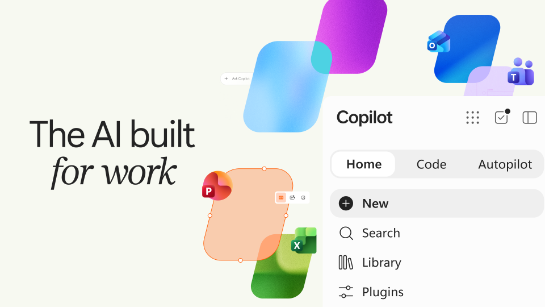
Microsoft folded full Word, Excel, and PowerPoint into Copilot and pushed agent-style features like Home, Chat…