What happened
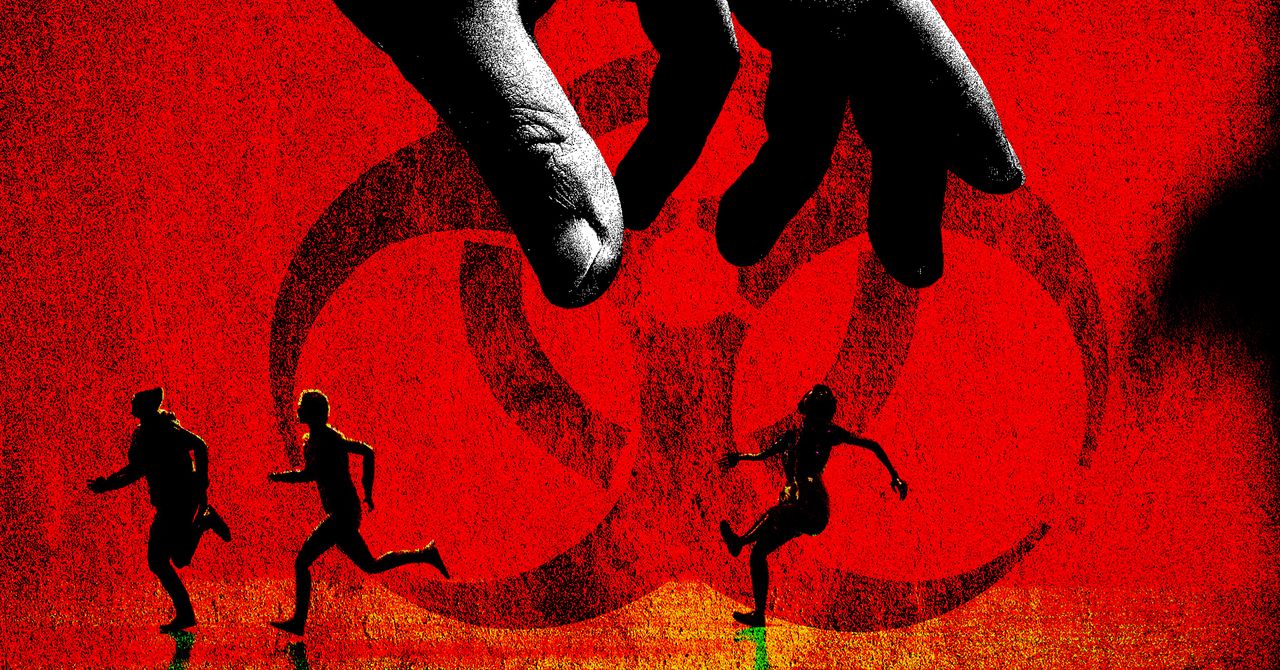
Researchers including David Bellamy of the Institute of Foundation Models say AI is not a fundamentally new bioweapon threat. The bottleneck is assembling a virus and sourcing raw materials, equipment, and know-how.
Why it matters
If information access is not the limiting factor, then restrictions focused on what AI models will tell users may not address the physical steps that actually block a bioweapon, though experts still back layered safeguards.
What to watch
Whether AI demonstrably raises bioweapon risk remains hard to answer, per Rand's Steph Guerra. She points to screening mandates for synthetic DNA and RNA sellers and stronger outbreak surveillance as controls still not universal.
WHO IT HITSPolicymakers weighing new biosecurity laws and biotech lab operators who screen DNA orders are the main audiences. For them, the debate shifts from limiting AI outputs to controlling physical materials and lab access.
Summaries like this, in your inbox every morning.
The debate over AI and bioweapons has moved quickly this year. Earlier this summer, AI CEOs called for laws controlling synthetic DNA manufacturing. Last month, Stanford University and the Arc Institute researchers showed AI can design new viral genomes. Last week, Anthropic released a report saying there had been efforts to use Claude in ways that could support biological weapons development, and CEO Dario Amodei urged the government to help AI labs pace the frontier. That sequence has pushed the question from theory into policy.
The scientists quoted here push back on the idea that AI changes the underlying problem. David Bellamy notes the scientific community has wrestled for decades with the dual-use dilemma over publishing dangerous biological research. Before large language models, he says, the internet, open-access journals, and translation services like Google Translate already widened access to lab protocols. Jason Kelly adds a practical layer: in a Ginkgo Bioworks project with OpenAI, GPT-5 ran a lab, but the AI could not take over the lab because humans could refuse its requests. Francois Belloux argues pathogens are simply overestimated as weapons, since targeting groups and distributing them is logistically harder than alternatives.
Not everyone dismisses the risk. Olivia Scharfman of the Institute for Progress says fully autonomous labs do not exist yet, but an AI could pay someone to do the work, and she sees AI-assisted bioterrorism as an immediate threat. Steph Guerra of Rand says whether AI demonstrably raises bioweapon risk is hard to answer, and that controls will always be circumventable—making layered friction across the whole pathway the practical goal. The stakes, then, may hinge less on whether AI can design a pathogen and more on how quickly screening rules, surveillance, and data-sharing are put in place.
For example, today's edition would include:
AI-summarized, only the topics you pick — one digest a day via Email, Slack, or Discord.
Free · 30 seconds with Google · unsubscribe anytimeWhat is AIToday? →
Ask AI anything about this article. Q&As are published on this page for other readers too.
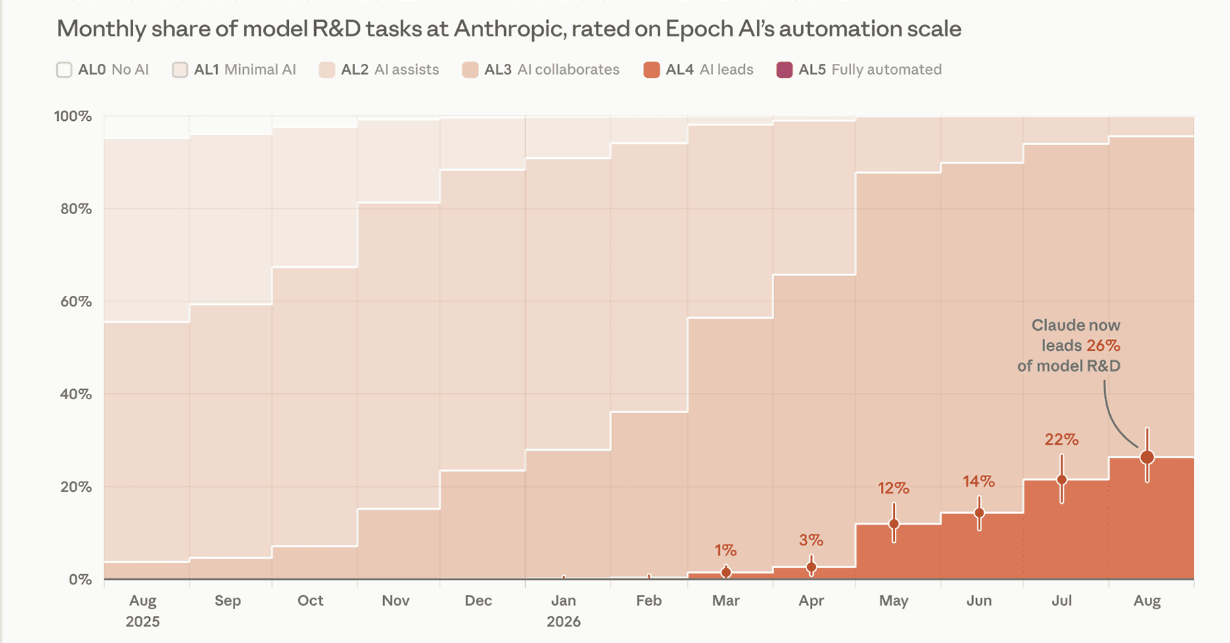
Anthropic Institute said that as of August, 26% of its AI research and development work was almost entirely do…
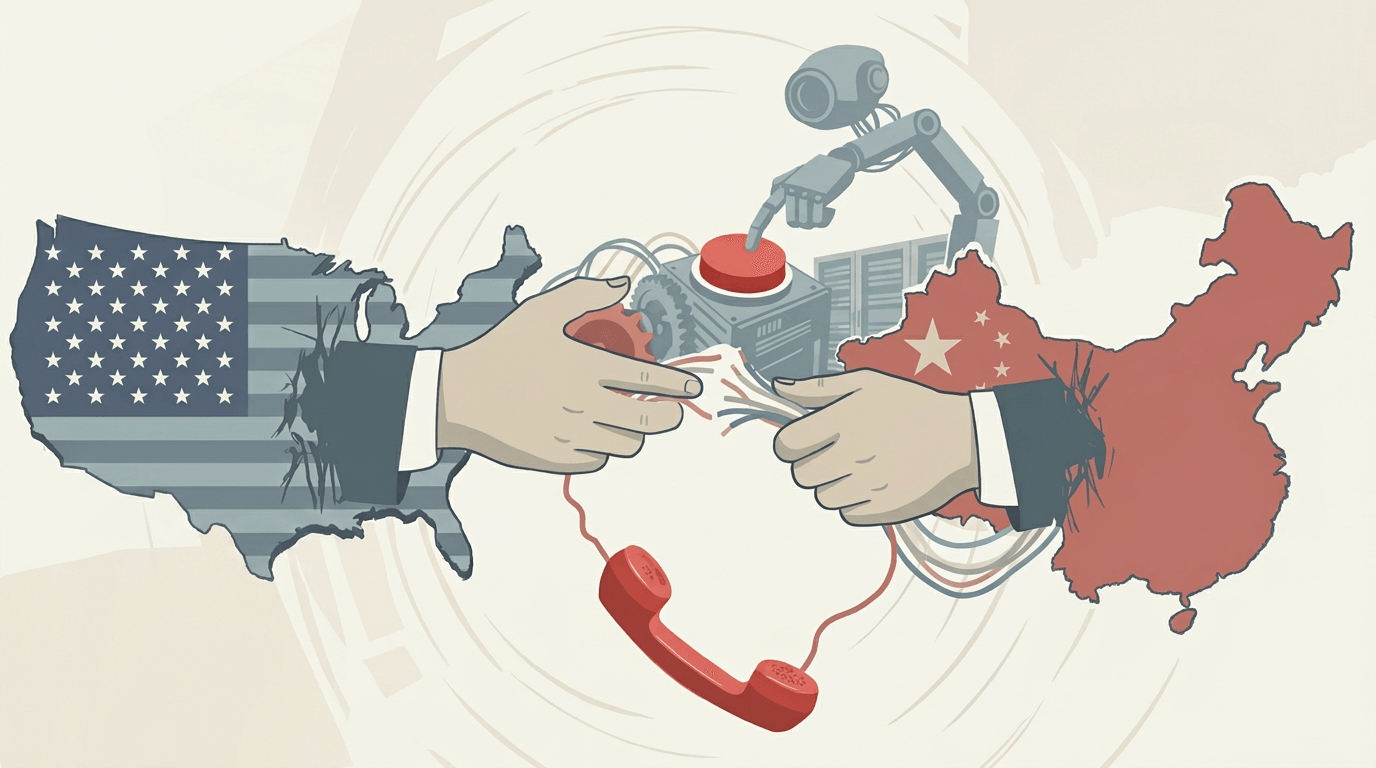
Melanie Sisson of the Brookings Institution and Tianjiao Jiang of Fudan University published proposals ahead o…
Insilico Medicine announced its AI-discovered drug rentosertib started Phase 3 trials in China, and published…
Unredacted filings in The New York Times' lawsuit reveal Microsoft's Brent Hecht called AI scraping "the large…

Three whitehat hackers from Hacktron used Claude Opus 5 within hours of release to chain exploits and hack int…

OpenAI published six examples of "unexpected or concerning model behavior" from the past six months, including…