What happened
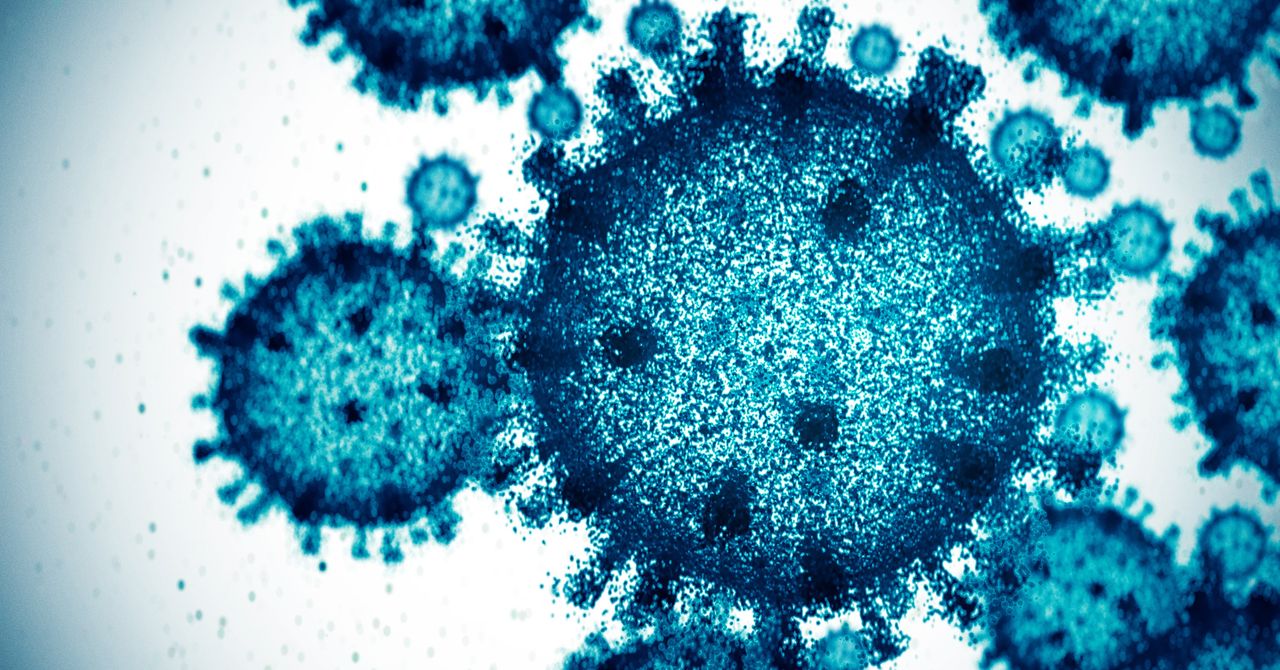
Scientists at Stanford University and the Arc Institute used AI models called Evo 1 and Evo 2 to design bacteriophages—viruses that infect bacteria—never seen in nature. Of 300 synthesized genomes, 16 became fully functional viruses with different genes, regulatory elements, and varying genome sizes. These AI-designed phages rapidly overcame E. coli strains resistant to natural phages.
Why it matters
The discovery offers a path toward personalized phage therapies that could evolve as quickly as resistant bacteria themselves, potentially addressing the growing problem of antibiotic-resistant infections. However, the research also highlights a major gap: according to Moritz Hanke at Johns Hopkins Center for Health Security, there are currently no safeguards capable of effectively preventing the creation of a lethal virus with AI assistance.
What to watch
The research was published this week in the journal Science. The dual-use concern is not new—a Rand Corporation study three years ago warned that advanced AI could refine bioweapon attacks, and fears are now growing that such capabilities will become even greater as AI systems evolve faster than governments can regulate them.
Summaries like this, in your inbox every morning.
This research represents a watershed moment for synthetic biology, combining two powerful currents: the ability to design genomes computationally and the capacity of AI to learn evolutionary logic from billions of natural sequences. Rather than replicating known pathogens—the standard approach for vaccine and antiviral development—the Stanford and Arc Institute team pushed the boundary by asking an AI to invent entirely new functional viruses. The specific achievement rests on bacteriophages, which are ideal experimental subjects: their small genomes are easy to synthesize and manipulate, they infect only bacteria (making them safer to work with than broad-spectrum pathogens), and they pose no direct threat to human cells. The practical payoff is substantial. By demonstrating that AI-designed phages can overcome bacterial resistance faster than natural phages, the authors suggest a path toward truly personalized medicine—therapies that could be redesigned in near real-time as pathogens mutate.
Yet the paper's implications cut both ways. The same capability that enables lifesaving antibiotic alternatives also creates a novel risk surface. Hanke's warning—that no effective safeguards exist to block malicious virus design—reflects a growing asymmetry in biotechnology: the speed of AI-enabled discovery has outpaced regulatory capacity. The Rand Corporation's three-year-old warning about bioweapon applications now carries sharper teeth. Unlike nuclear or chemical weapons, viral pathogens are self-replicating and inherently dual-use; the knowledge to design one can be written in code and distributed globally. The authors themselves acknowledge this tension, framing their work as a milestone with genuine dual-edged significance. This dynamic—genuine breakthrough paired with genuine risk, neither overstated—is likely to shape biosecurity policy and AI governance debates in the coming months.
For example, today's edition would include:
AI-summarized, only the topics you pick: one digest a day via Email, LINE, or Slack.
Free · 30 seconds with Google · unsubscribe anytimeWhat is AIToday? →
Ask AI anything about this article. The AI reads this article, earlier AIToday articles, and Wikipedia, and cites its sources. Q&As are published on this page for other readers too.
Instinct, officially Spear Street Technology Inc., announced a $1 billion Series C joined by Sequoia Capital…

On theCUBE Pod, Dave Vellante said CoreWeave disclosed that 70% of its revenue came from its top three custome…

At Okta's Oktane event, Charlotte Wylie, Okta's senior vice president and deputy chief security officer, said…

Nvidia combined OpenShell, its March open-source sandbox software, with Sentry, a hardware watchdog for its Bl…
Meta is launching the Meta Enterprise Platform, a new business unit selling the Muse agent, Meta Business Agen…

In an open letter on Quillette to Scott Alexander, Steven Pinker declined a public debate on AI's existential…