
What happened
Airbnb CEO Brian Chesky said on the company's second-quarter earnings call that AI has reduced the time from concept to launch by as much as 60%, and the company shipped nearly 80% more features and improvements in the first half of 2025 compared to the same six months last year. Earlier this year, Airbnb disclosed that AI is writing 60% of its code. The company is now testing a new AI search feature that lets users toggle to natural language search with AI-generated titles and personalized highlights.
Why it matters
Airbnb's internal AI adoption is speeding up product velocity across core areas—search, sign-up, checkout, and payments—while keeping consumer-facing rollout measured. On the support side, the company's AI agent launched in North America in 2025 and now operates in more than 50 languages, resolving nearly 45% of customer issues without human intervention and cutting support cost per booking by 16% year-over-year. This signals how AI is reshaping both how travel companies build and how they serve customers.
What to watch
Airbnb is testing the AI search toggle with an opt-in design, allowing users to stay with the traditional search-and-filter interface if they prefer. The company plans to make its AI customer support bot available for voice calls later this year. For context, Airbnb posted revenue of $3.6 billion (up 17% year-over-year) and adjusted EBITDA of $1.3 billion (up 21%) for the quarter ended in June.
Summaries like this, in your inbox every morning.
Airbnb's earnings call revealed a widening gap between its internal adoption of AI and its consumer-facing rollout. While AI has become foundational to how the company builds—writing 60% of its code and cutting development cycles by 60%—the company remains cautious about imposing AI interfaces directly on users who are accustomed to traditional search and booking flows. This tension reflects a broader challenge in the travel industry: AI can accelerate product teams, but the end user may not be ready to abandon familiar workflows. By offering the AI search toggle, Airbnb is hedging: it gets to test natural-language discovery without forcing change on the majority.
The most tangible impact so far is in customer support. Airbnb's AI agent, now live in more than 50 languages, resolves nearly 45% of incoming issues without escalation to humans—a scale of automation that has directly lowered support cost per booking by 16% year-over-year. This suggests that AI's highest ROI for Airbnb may lie not in serendipitous discovery (the romantic ideal of "surprise me") but in handling the high-volume, repetitive work that traditionally drains operational budgets. The company's Q2 results—$3.6 billion revenue (up 17%) and $1.3 billion adjusted EBITDA (up 21%)—suggest the business remains healthy, giving Airbnb room to experiment with consumer AI without the pressure to accelerate monetization.
For example, today's edition would include:
AI-summarized, only the topics you pick: one digest a day via Email, LINE, or Slack.
Free · 30 seconds with Google · unsubscribe anytimeWhat is AIToday? →
Ask AI anything about this article. The AI reads this article, earlier AIToday articles, and Wikipedia, and cites its sources. Q&As are published on this page for other readers too.
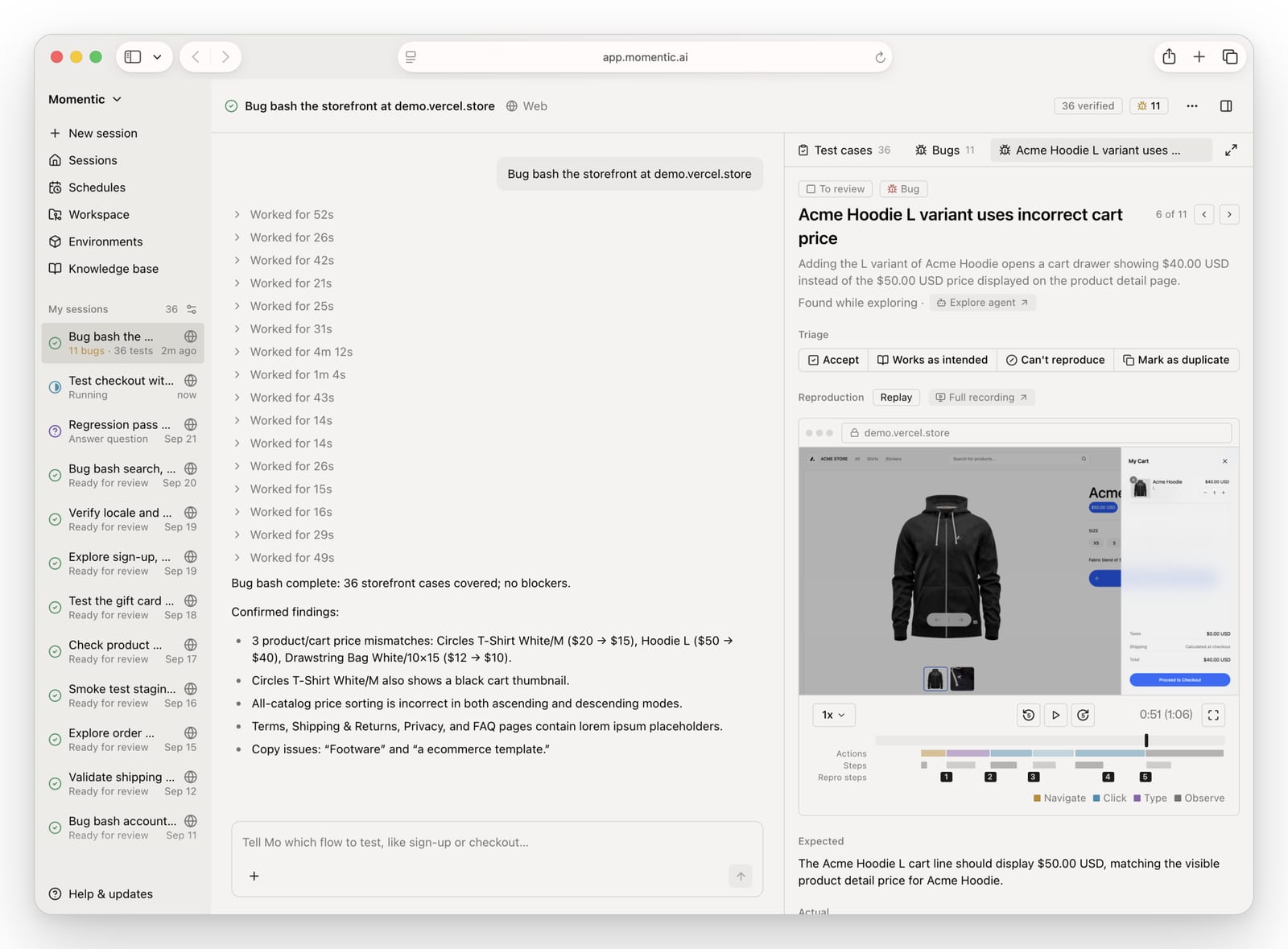
Momentic Inc. launched Mo, an AI agent that opens an app from a URL and prompt, spins up a swarm of agents to…
Anthropic launched Claude Sonnet 5.5, a mid-tier model for everyday tasks, priced at $2 per million input toke…

NEAR, the token of the NEAR Protocol, has more than doubled in value over the past two weeks, helped by surgin…

Michael Burry wrote in a Substack chat that Trump's team knows the AI buildout is 'the only thing keeping this…

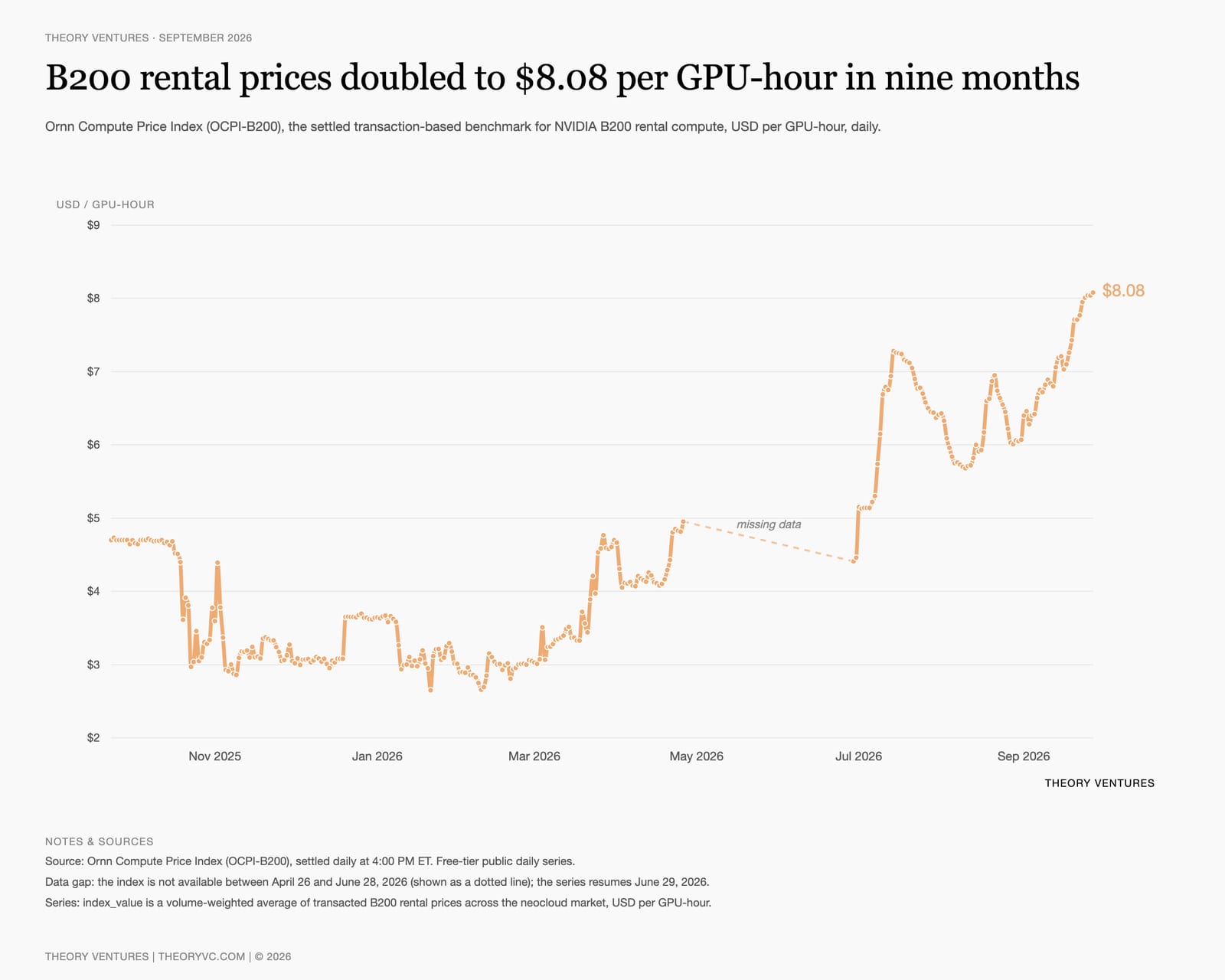
GPU rental prices doubled in six months, from $4.40 to $8.08 per GPU-hour, even as Claude Opus 5.5 costs 40% l…
Anthropic released Claude Sonnet 5.5, which it says runs output more than 30 percent faster and costs up to 30…