
What happened
Reflection AI launched Beam, a 501 billion-parameter open-source LLM. Trained on a 6,144-GPU cluster, it beat GLM-5.2 on some tasks using one third to one fourth the hardware.
Why it matters
The launch is notable because many of the open-source ecosystem's most advanced LLMs were created by Chinese companies, and Beam is the first open-source model from a U.S. startup to have demonstrated comparable or better performance.
What to watch
Beam is initially available only through an early access program, with weights, documentation and fine-tuning tools not due until later this month. Its reinforcement learning phase took four weeks and recovered from 71 errors with a median recovery time of eight minutes.
WHO IT HITSThis matters most to engineering leads and AI platform teams evaluating open-source models, who gain a U.S.-made option that Reflection AI says matches or beats GLM-5.2 on some tasks at a fraction of the hardware.
Summaries like this, in your inbox every morning.
Reflection AI's launch comes a few months after the startup raised funding at a $25 billion valuation. Around the same time, it reportedly inked a $6.3 billion deal with SpaceX Corp. to rent Nvidia GB300 NVL72 appliances — systems that each contain 72 graphics cards — and it used those systems to train Beam.
The training recipe started with a relatively small prototype model before moving to successively larger, more capable algorithms, eventually producing Beam Base. Reflection AI developed Beam Base on a cluster of 6,144 graphics cards and trained it on 23.8 trillion tokens from the public web and commercial sources, including a significant amount of software code, with custom filters for each programming language to remove low-quality files. A midtraining phase extended the model's context window and enhanced its reasoning, setting up a third, hardware-intensive phase in which 10,000 GB300 graphics cards launched 1.3 billion reinforcement learning sandboxes — virtual environments tuned for generating code, searching the web and running AI agents.
What the outcome hinges on is whether early access users find Beam's day-to-day performance matches the benchmarks. Reflection AI says Beam approaches Qwen 3.8-Max, a model with over 2 trillion parameters, but free LLMs still trail frontier models such as Anthropic PBC's Claude Fable 5.1, so Beam's commercial pull is likely to depend on how the full weights and fine-tuning tools land later this month.
Pick your industry and the AI tools you use, and get news related to your work every day.
Free · 30 seconds with Google · unsubscribe anytimeWhat is AIToday? →
Ask AI anything about this article. The AI reads this article, earlier AIToday articles, and Wikipedia, and cites its sources. Q&As are published on this page for other readers too.
The AI Cybersecurity and Resilience Summit will feature a Dell Technologies-led flagship program Oct

Schneider Electric agreed to acquire software company PTC in an all-cash deal that values PTC's equity at arou…
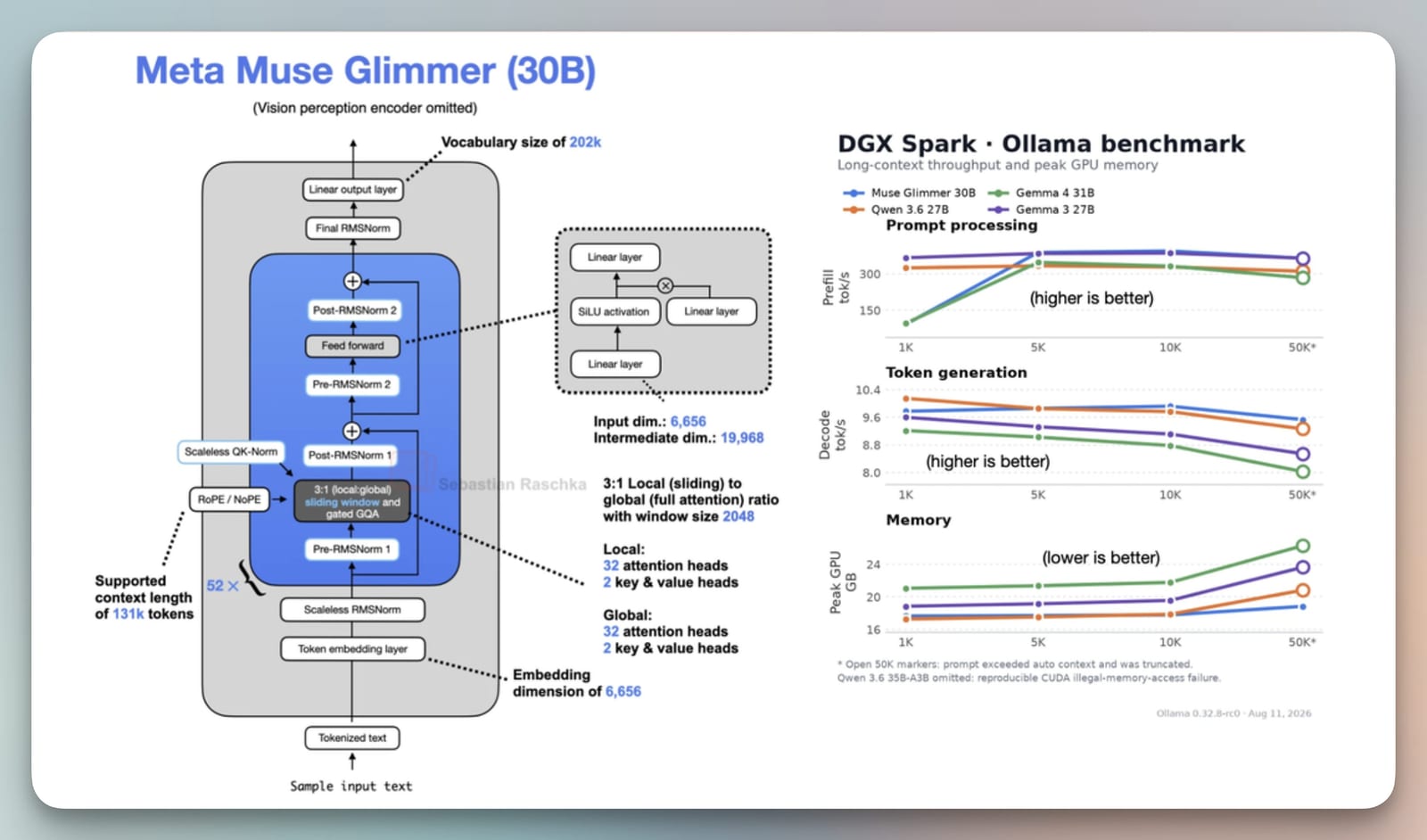
A step-by-step guide fine-tunes Muse Glimmer, Meta's 30B vision model, locally for equation-to-LaTeX conversio…
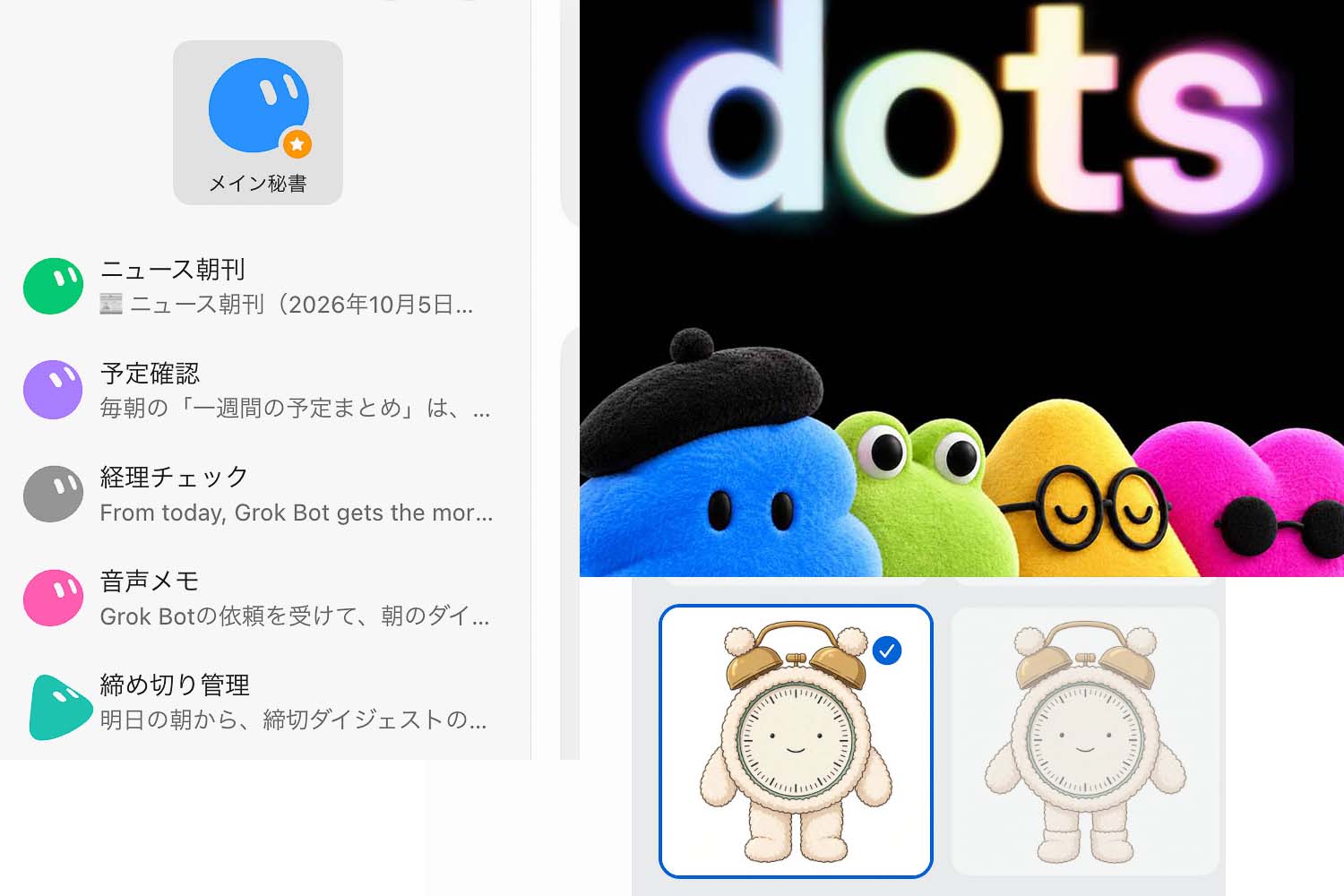
OpenAI announced always-on agent Dots on September 30; SpaceXAI's Grok Bot and Meta Muse are pushing the same…
schema-guard, a tool by developer idk-arsh, checks AI-written SQL against a saved snapshot of real table and c…
A sole proprietor running AI-adoption and process-improvement work built a 'company' repository on Claude Code…


