
What happened
A developer who started LLM product work last autumn says prompt engineering and RAG went fine, but unexpected model behavior left them unable to explain why, so they rebuilt fundamentals from five books.
Why it matters
Not being able to explain unexpected behavior stalls troubleshooting, so the developer switched from reading thick textbooks cover-to-cover to working hands-on through selected chapters.
Summaries like this, every morning.
The developer's account traces a shift from surface-level use of LLM APIs to a need for explanation when outputs go wrong. Prompt engineering and RAG implementation were manageable, but unexpected model behavior exposed a gap: without understanding what happens behind the API, troubleshooting stops. The five books are arranged as a sequence from math foundations through classical ML, deep learning theory, deep learning implementation, and probabilistic thinking. The developer notes that in LLM-era pipelines, classical methods like logistic regression and random forests still appear in post-processing, and that uncertainty handling matters for detecting hallucinations and designing confidence-based branching. Not all five need to be finished; starting from the one closest to a personal weakness and reading while coding is the most efficient route.
Pick your industry and the AI tools you use, and get news related to your work every day.
Free · 30 seconds with Google · unsubscribe anytimeWhat is AIToday? →
Ask AI anything about this article. The AI reads this article, earlier AIToday articles, and Wikipedia, and cites its sources. Q&As are published on this page for other readers too.
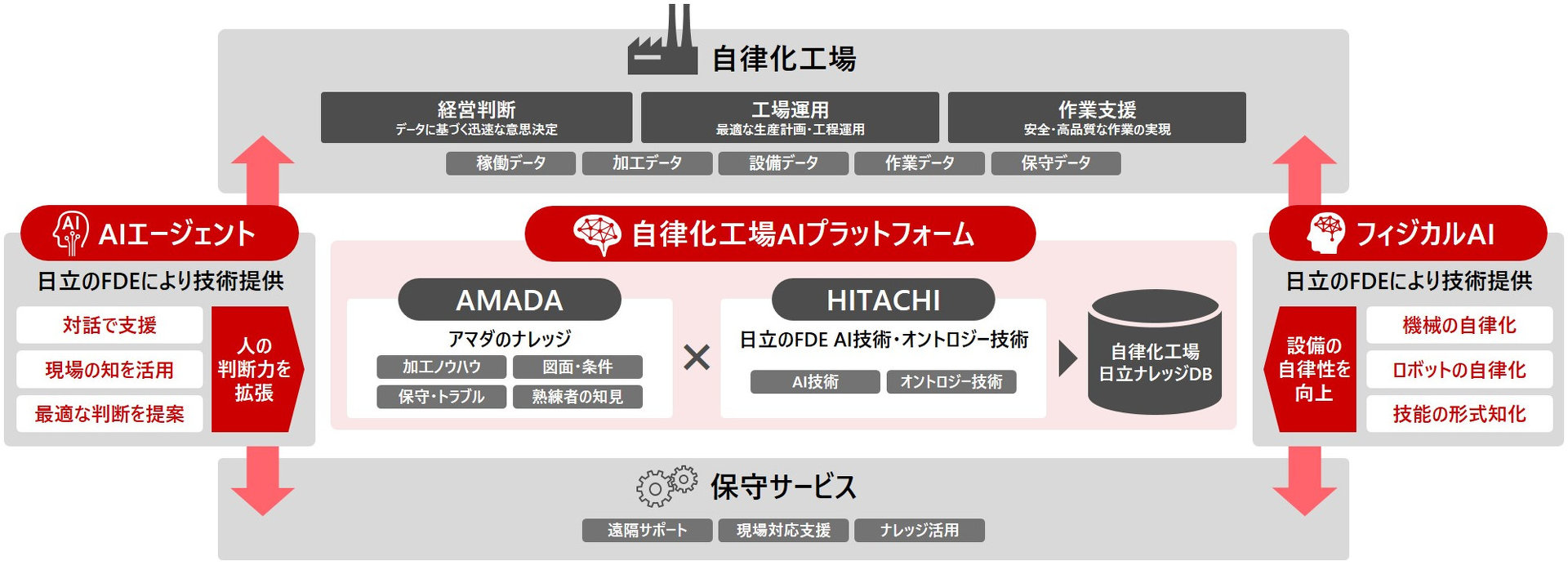
Amada and Hitachi ran an AI-agent PoC from August and October 2026 on an Amada customer factory's operating da…
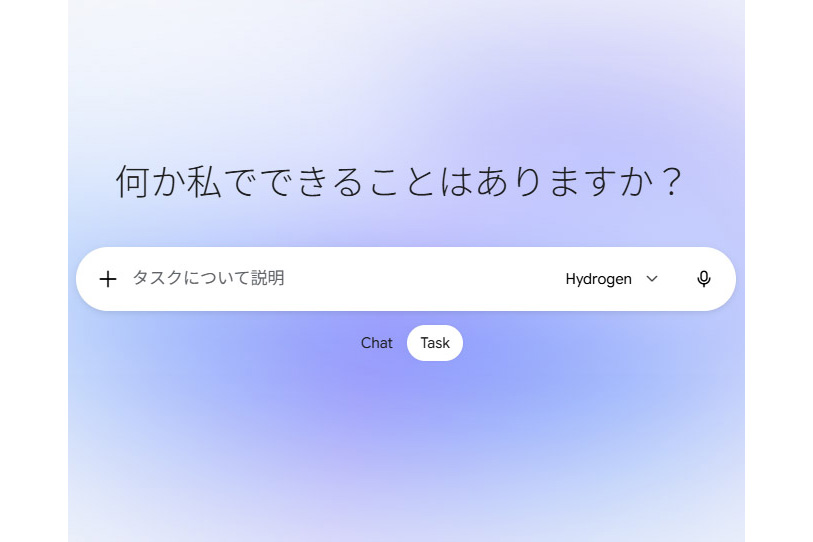
Google renamed Gemini's paid-plan "Spark" feature to "Tasks" and opened it to free personal Google accounts
Visa's Abhijeet Ramesh said stronger AI models and cheaper AI tokens now let agents complete purchases, and Vi…

A Zenn essay proposes Consumer Harness, a framework connecting human desires and states to autonomous AI produ…

Waystar integrated into Google Cloud's Gemini for healthcare, and Oracle debuted AI agents for clinical trials

Xpeng unveiled humanoids, cars and drones built on a single shared AI brain, a direct challenge to Tesla