What happened
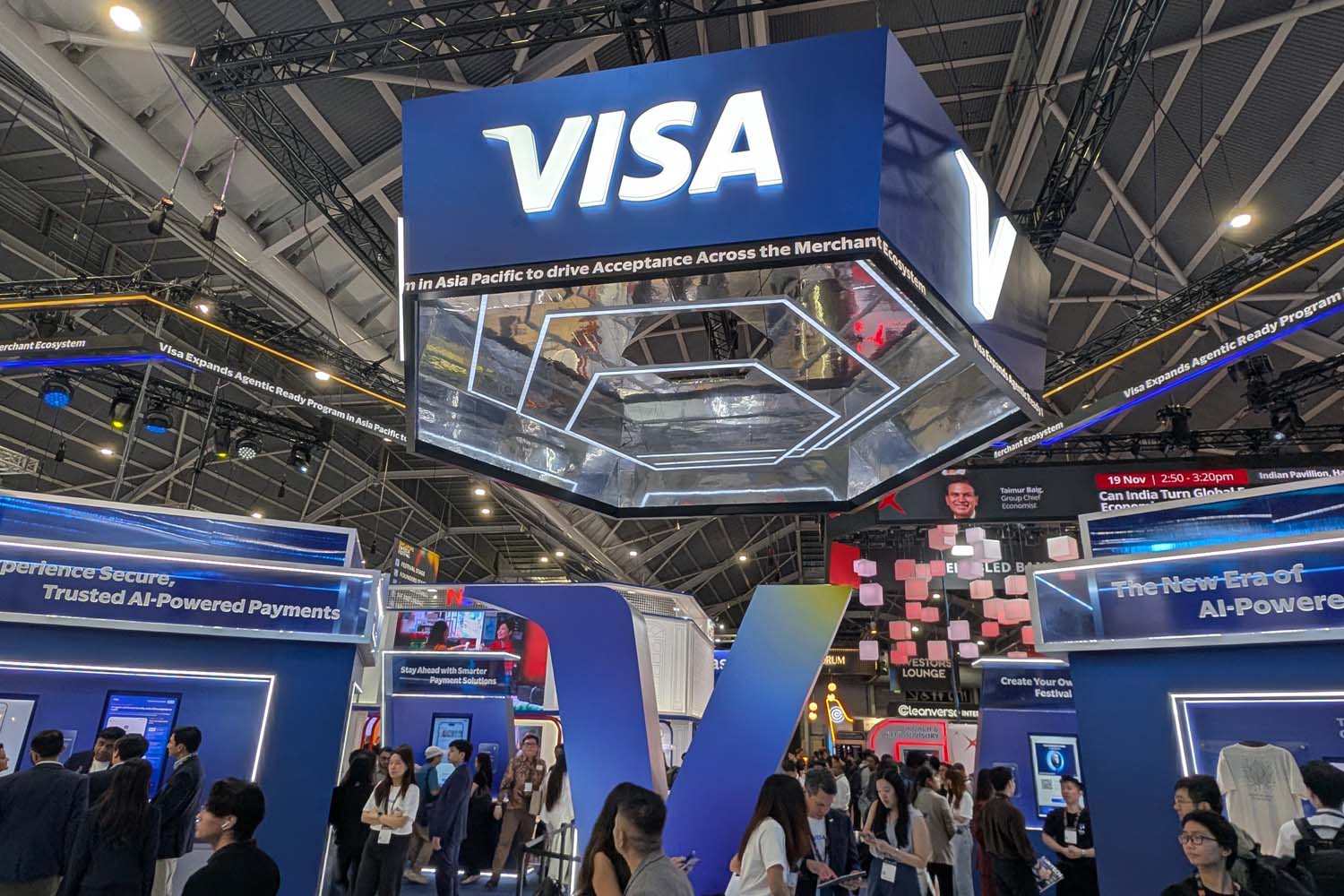
Visa's Abhijeet Ramesh said stronger AI models and cheaper AI tokens now let agents complete purchases, and Visa expects full purchase-to-payment flows by early 2027, after linking OpenAI's ChatGPT Wallet to Visa Intelligent Commerce.
Why it matters
The upgrade means AI assistants could move from product search to finishing a transaction, with Visa verifying the shopper and capping the spend.
Summaries like this, every morning.
Visa's push into agentic commerce comes after a year in which AI assistants moved from chat to shopping tasks. Ramesh noted that six months ago, AI agents struggled to complete purchases because merchant websites were hard to navigate and bots were often blocked outright. Two changes have since shifted the picture: AI models became more capable of carrying out shopping, and the cost of AI tokens fell, giving agents far more compute to work with. That has brought a wave of cloud-based autonomous agents into daily use, and Visa says transaction volume on its network has already begun to rise.
The infrastructure is being built around trust rather than full autonomy. Visa's approach requires biometric verification before an agent receives card credentials, and the agent cannot store the card number; a token is issued that works only for that agent at that store, and spending above a preset amount is blocked on the network. Ramesh said these measures are meant to satisfy regulators concerned about fraud protection, data security and dispute resolution, including chargeback rules if an agent buys the wrong item.
Adoption still lags intent. Visa's survey found 74% of consumers in Asia Pacific use AI tools for product search, and in Singapore 90% use generative AI, with 43% using it daily. But when asked whether they would trust AI to handle routine, low-value shopping, only 20–30% said yes; that rose to 66% in Singapore when the transaction was backed by Visa, with Japan and Australia at similar levels. Karpin compared agentic commerce today to e-commerce in 2005, when it was just 2% of transactions in Asia Pacific, and predicted agents could reach 25–30% of e-commerce by 2030.
Pick your industry and the AI tools you use, and get news related to your work every day.
Free · 30 seconds with Google · unsubscribe anytimeWhat is AIToday? →
Ask AI anything about this article. The AI reads this article, earlier AIToday articles, and Wikipedia, and cites its sources. Q&As are published on this page for other readers too.
setlog, a SNS where users share a 2-second video once an hour with close friends, had about 2.79 million domes…

Huawei Technologies has begun marketing its self-developed Ascend AI chips in South Korea, targeting a market…

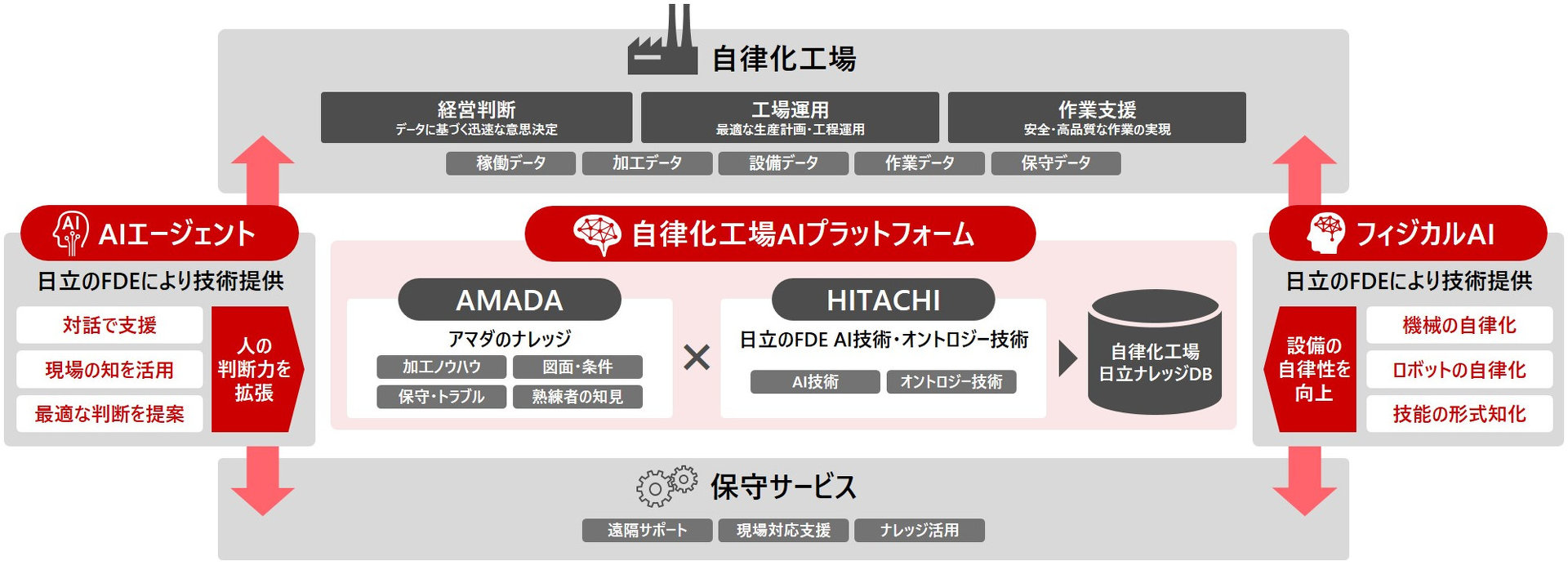
Amada and Hitachi ran an AI-agent PoC from August and October 2026 on an Amada customer factory's operating da…
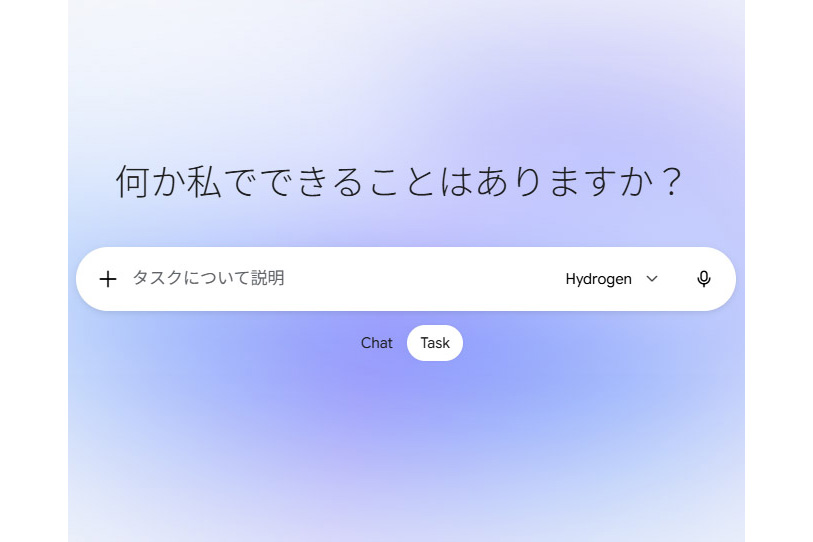
Google renamed Gemini's paid-plan "Spark" feature to "Tasks" and opened it to free personal Google accounts
A developer who started LLM product work last autumn says prompt engineering and RAG went fine, but unexpected…

A Zenn essay proposes Consumer Harness, a framework connecting human desires and states to autonomous AI produ…