What happened
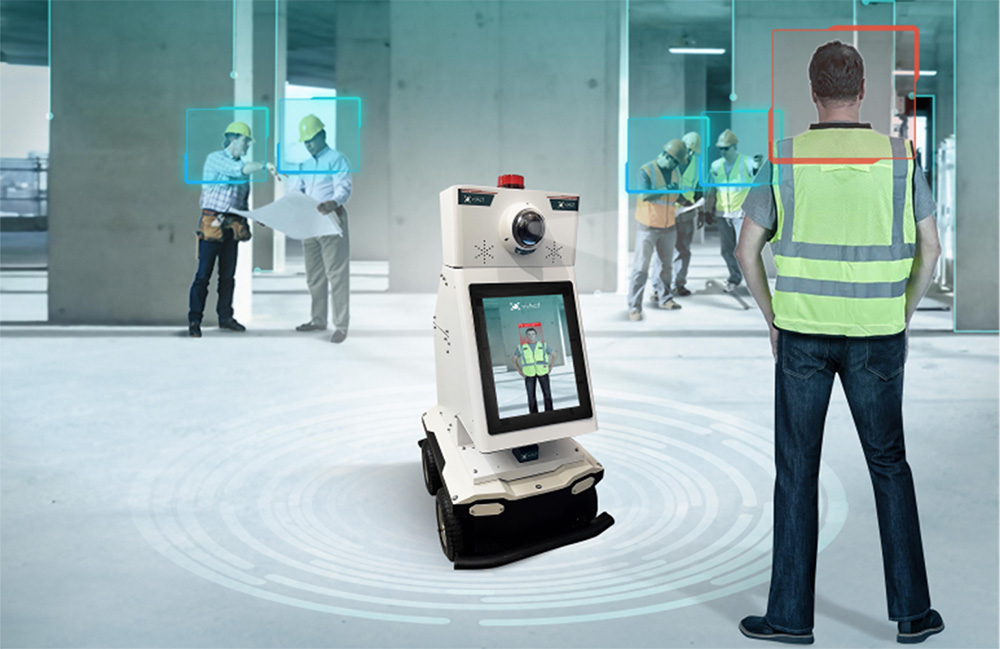
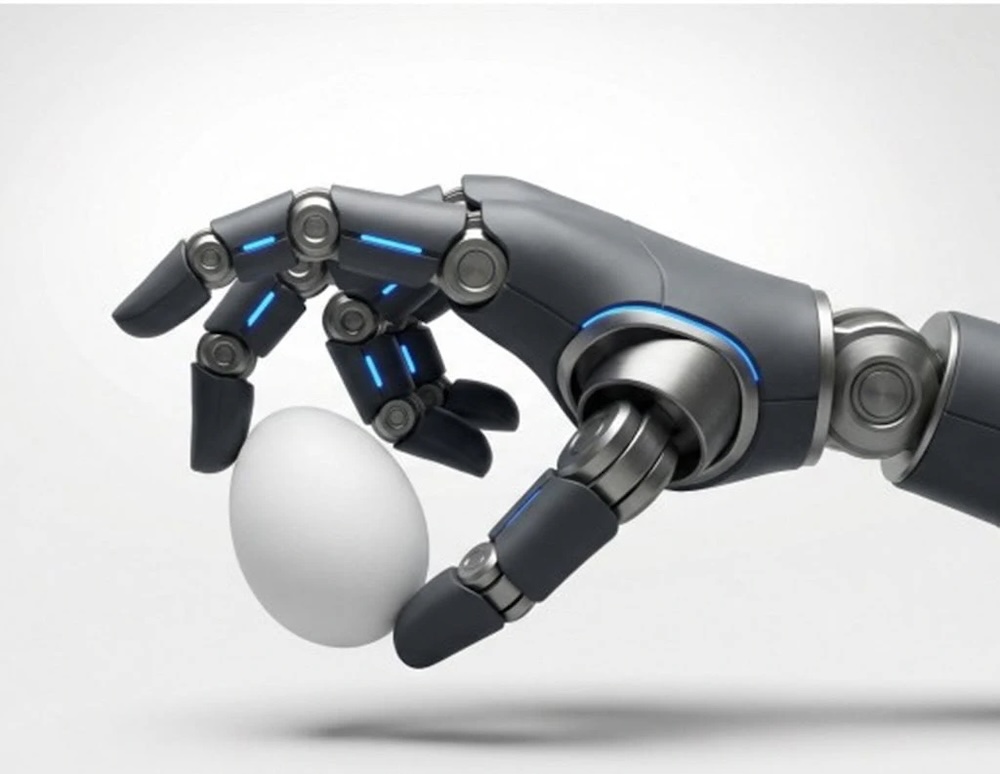
Andreas Friedrich, Managing Director Technology & Strategy at Allegro MicroSystems, will speak at RoboBusiness (Oct. 20-21 in Santa Clara) about hardware constraints limiting humanoid robots, focusing on joint-level design.
Why it matters
The article argues that as AI improves, the physical system—especially joints with motors and sensors—becomes the bottleneck. Moving from 12V to 48V DC cuts current by 4x and wiring losses by 16x, but raises motor-control demands.
What to watch
The talk's core message is that joints must integrate sensing, control, and safety from the start. Whether humanoids can achieve safe collaboration with humans hinges on this hardware engineering.
WHO IT HITSRobotics engineers designing humanoid joints and actuation systems, as well as hardware suppliers like Allegro MicroSystems, are directly affected by the need to integrate sensing, control, and safety into compact, efficient electromechanical subsystems.
Ask the AI about this article →
Summaries like this, in your inbox every morning.
The article, drawing on Andreas Friedrich's upcoming RoboBusiness talk, highlights a shift in robotics challenges: while AI has advanced perception and decision-making, the physical hardware—specifically the joints—now limits performance. The piece contrasts industrial robots with humanoids, noting that humanoids require all electronics to fit within the robot's body, making weight and space critical. This leads to a push toward higher voltage architectures, such as 48V DC, to reduce current and wiring losses, but this introduces new demands on motor-control electronics to handle transient voltages and thermal constraints.
Safety is another key concern as humanoids begin to work alongside people. Unlike industrial robots that are separated from humans, collaborative humanoids must integrate functional safety directly into their control systems, learning from automotive applications like electronic steering. The article argues that sensing, control, and power management must be designed as integrated subsystems within each joint to achieve the precision and responsiveness needed for tasks like handing someone a cup of tea.
The stakes are high for the robotics industry: the next major advance in humanoid capability may hinge not on AI models but on how efficiently and safely the physical body can execute decisions. For Allegro MicroSystems, a provider of motor control and sensing solutions, this represents a market opportunity in developing integrated solutions that meet these stringent requirements. However, the article does not specify whether such integration is already achievable or if it remains a design goal.
For example, today's edition would include:
AI-summarized, only the topics you pick — one digest a day via Email, Slack, or Discord.
Free · 30 seconds with Google · unsubscribe anytimeWhat is AIToday? →
Ask AI anything about this article. Q&As are published on this page for other readers too.
Arm announced three new products at its Arm Everywhere China event on September 8, 2026, including Arm CSS for…

Cat Digital, led by Ogi Redzic, is applying A.I

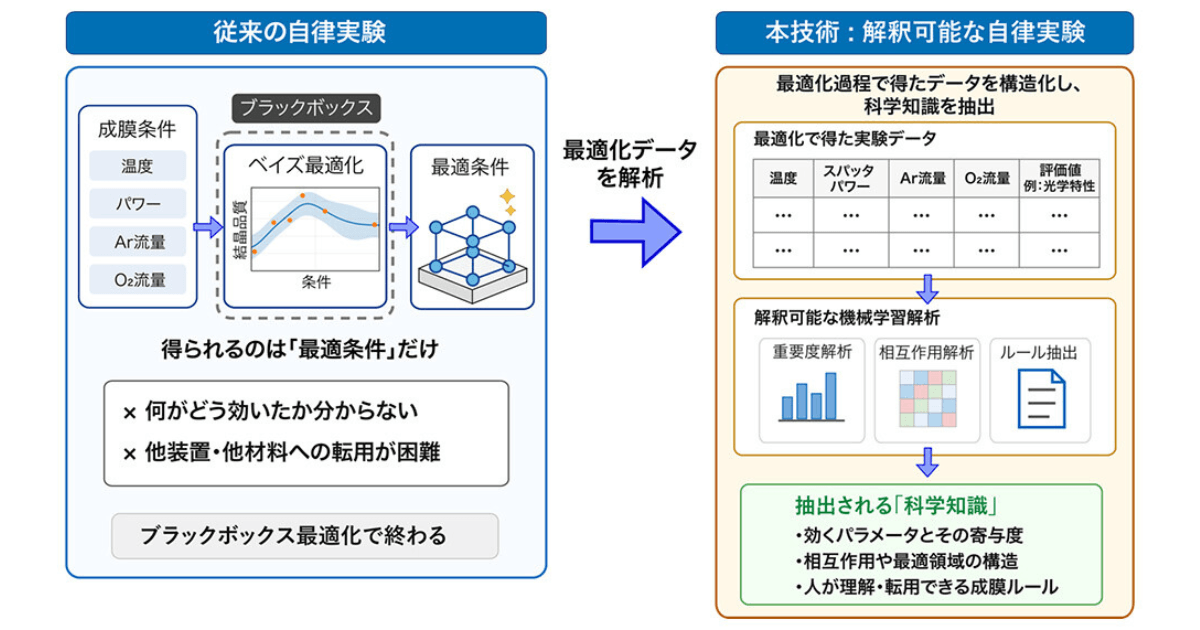
NTT demonstrated interpretable autonomous film formation, where AI and robots automate the cycle from depositi…
Panasonic Industry deployed generative AI at its Yamaguchi plant to structure veteran know-how, using digital…

MIT researcher Beatriz Yankelevich used GPT-5.6 Sol with Codex to autonomously run measurements on an uncalibr…

Vision AI is emerging as a site-wide safety layer for construction, analyzing live video from cameras and dron…