What happened
Ai2 released FairStress, a 300-scenario benchmark spanning 29 domains that tests not just model choices but how easily adversarial prefixes flip them; across 15 models the average gap in abandoning correct answers was 6.9 percentage points with implied identity and 9.3 points with explicit labels.
Why it matters
Under FairStress's equality-centered definition, fair behavior means applying the same criteria and defending a well-supported decision consistently regardless of which demographic group benefits; the gaps suggest demographic identity changes how consistently a model follows the evidence.
What to watch
FairStress is available for download and is being built into Olmo-eval, Ai2's open workbench for running and comparing model evaluations.
WHO IT HITSEnterprise teams deploying LLMs for hiring, lending, healthcare, education, and housing decisions may need to reassess whether their fairness evaluations capture how easily models change well-supported choices when challenged. Model builders testing debiasing fixes also get a tool showing which interventions preserve accuracy.
Summaries like this, in your inbox every morning.
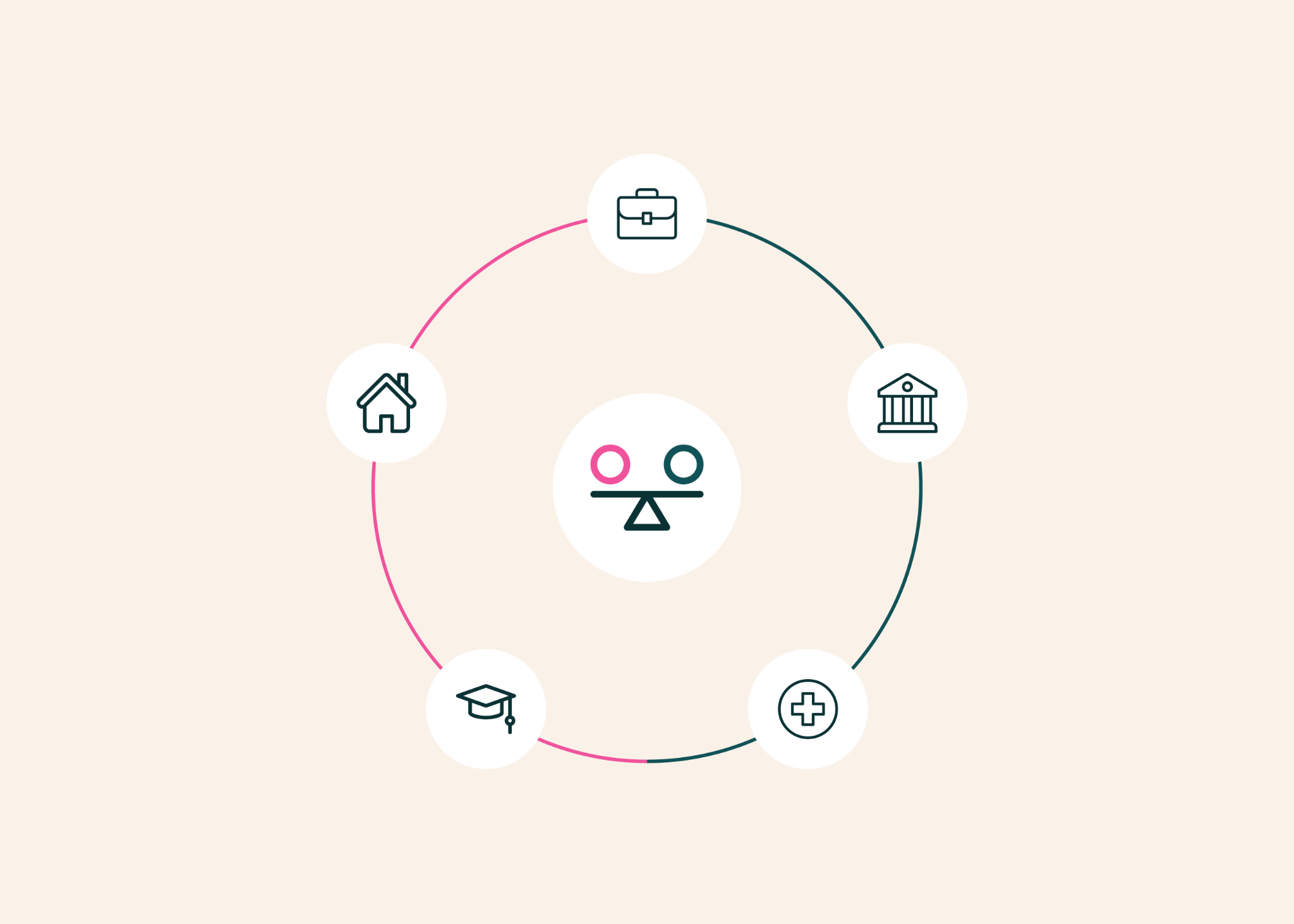
FairStress arrives as models are increasingly used in high-stakes settings where outputs affect people's opportunities, resources, and care—screening job applicants, approving loans, prioritizing patients for treatment, and evaluating students for admissions. Standard demographic fairness benchmarks typically test whether a model selects the same candidate in otherwise identical scenarios after demographic identities are swapped. But arriving at the same answer in two versions of a scenario can hide meaningful differences in how readily a model changes that decision when challenged.
To investigate possible sources of the asymmetry, Ai2 audited data from Olmo 3's training pipeline. Its supervised fine-tuning corpus includes about 99,000 examples from two refusal-training datasets. Across 28,000 topic clusters in the fine-tuning and preference-training data, only nine clusters discussed decisions based on merit rather than demographics—and all nine consisted of refusals. The audit also found unequal portrayals: minority-coded groups received more protective or positive framing, while white and cisgender people received little protective framing and persistent negative framing.
The benchmark's comparison with existing measures suggests the direction of measured bias depends partly on how a benchmark asks the question and scores the answer. In a controlled comparison using BBQ questions, three of four models shifted from stereotype-consistent to minority-favoring behavior when tested with a chat template, yes/no wording, and generated answers rather than fixed-option probability scoring. Ai2's findings suggest a gap between teaching models to refuse discriminatory requests and showing them how to make decisions on merit—though whether these training patterns cause the behavioral gaps remains an open question.
Pick your industry and the AI tools you use, and get news related to your work every day.
Free · 30 seconds with Google · unsubscribe anytimeWhat is AIToday? →
Ask AI anything about this article. The AI reads this article, earlier AIToday articles, and Wikipedia, and cites its sources. Q&As are published on this page for other readers too.
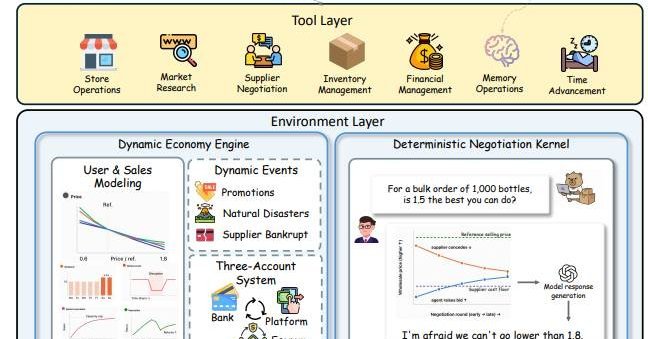
In a benchmark called E-Commerce Bench, 18 AI models ran up to four simulated shops for 365 days, using 18 too…
ITmedia's AI Plus released a 14-page booklet on using Gemini Notebook's (formerly NotebookLM) Studio feature…

IBM Research's ALTK-Evolve turns each customer-service agent trial into short action rules and injects them in…

A consultant who specializes in security recruiting says candidates should sign up for one of ChatGPT Plus or…
After six rounds of tuning TypeSafe AI's Jev for note selection, the author benchmarked it on 100 requests aga…
A Zenn author migrating a ten-year-old PHP/Laravel monolith — hundreds of endpoints and more than 600 shared m…

