What happened
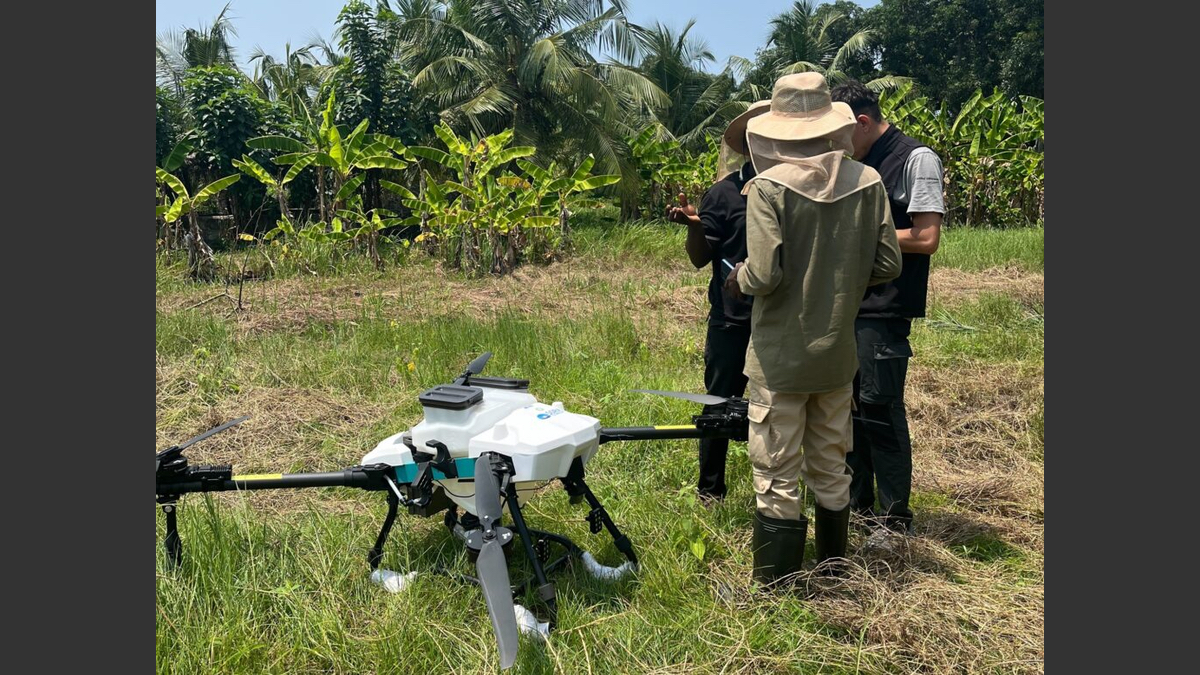
SORA Technology has officially launched a malaria elimination project in Zanzibar, Tanzania, using satellite data, drones, AI, and a digital management platform. The project is funded by the Japanese government and implemented with WHO, ZAMEP, and IHI.
Why it matters
Zanzibar has reduced malaria prevalence to 0.04%, making it one of the closest regions in Africa to eliminating the disease. However, finding and treating mosquito larvae sources in hard-to-reach areas remains a challenge, as traditional surveys take up to three days and require many people.
What to watch
The project deploys SORA's custom drone, TSUBASA, for targeted larvicide spraying, and uses the Zzapp Malaria Platform to manage mapping, spraying, progress, and effectiveness. Early operations are focused on the Kati district, with researchers from IHI monitoring mosquito population changes and comparing cost-effectiveness with traditional methods.
Summaries like this, in your inbox every morning.
The project marks a practical step in applying drone and AI technologies to public health in Africa. Zanzibar's low malaria rate of 0.04% makes it a promising testing ground for elimination strategies, but the challenge has been reaching all mosquito breeding sites, especially those in temporary pools and wetlands that appear during rainy seasons. Traditional surveys take up to three days, delaying response. SORA's approach aims to shorten this cycle by using satellite data and AI to detect high-risk water bodies, then deploying TSUBASA drones for precise larvicide application. Adding the Zzapp Malaria Platform for unified management supports sustainable, data-driven operations. The project's success will depend on local adoption, as it emphasizes involving young people and health volunteers to build a lasting public health model.
Pick your industry and the AI tools you use, and get news related to your work every day.
Free · 30 seconds with Google · unsubscribe anytimeWhat is AIToday? →
Ask AI anything about this article. The AI reads this article, earlier AIToday articles, and Wikipedia, and cites its sources. Q&As are published on this page for other readers too.
Skild AI used Nvidia Isaac Sim to give its S1 model one objective — score a goal — and let it compete against…

Yamazaki Mazak and ABEJA said on the 16th they will start joint development of physical AI, using ABEJA's ABEJ…

OpenAI introduced the Rosalind Academic Plan, giving eligible academic labs at U.S

Wells Fargo hired an AI executive based in San Francisco, a move The Business Journals describes as part of em…

Amazon launched two Bee "personal AI" devices on Thursday: the $74.99 Bee Frontier wristband and the $99.99 Be…
Apple released MLX today, which runs the 816B-parameter Muse Spark Open on four Mac Studios at over 36 tokens…