
What happened
Oracle cut roughly 13% of its workforce—about 21,000 employees—bringing headcount from 162,000 to 141,000 by the end of fiscal year 2026. The layoffs were enacted to fund a $300 billion(約48兆円) computing contract with OpenAI and the data center infrastructure required to fulfill it. After Oracle's credit rating dropped to BBB-, the Public Service Commission of Wisconsin required the company to post over $7 billion(約1.1兆円) in cash collateral or a letter of credit just to connect a planned nearly one-gigawatt data center in Port Washington to the power grid.
Why it matters
Oracle signed one of the industry's largest AI bets, but the massive spending is now colliding with financial reality. The company's credit downgrade—attributed by S&P to heavy AI spending and uncertainty about profitability—triggered collateral rules designed to protect consumers from absorbing costs if the facility fails. The $7 billion(約1.1兆円) guarantee, plus ongoing maintenance costs exceeding $100 million(約160億円) annually, threatens the viability of a project valued at about $15 billion(約2.4兆円) and underscores the mounting human and financial toll of the AI infrastructure arms race, in which Amazon, Microsoft, Alphabet, and Meta are collectively expected to spend about $600 billion(約96兆円) on AI infrastructure during 2026.
What to watch
Oracle has petitioned the court against Wisconsin's collateral requirement, arguing that the financing costs would deter future investment in the state. Regulators have held firm, saying existing customers should not subsidize data centers. The dispute reflects a broader pattern: at least 24 US states have already approved special rates, minimum conditions, exit penalties, and collateral requirements for heavy electricity consumers, suggesting this tension may spread beyond Wisconsin.
Ask the AI about this article →
Summaries like this, in your inbox every morning.
The Oracle story illustrates the extreme financial pressure facing technology companies in the AI infrastructure race. With Amazon, Microsoft, Alphabet, and Meta collectively expected to spend about $600 billion(約96兆円) on AI infrastructure during 2026, companies are making massive bets on the assumption that AI investments will eventually generate profits. Oracle took one of the largest single bets by signing a $300 billion(約48兆円) contract with OpenAI, but the capital requirements to build the required data centers created a severe cash squeeze that forced drastic workforce cuts.
The credit rating downgrade from BBB to BBB- appears to have triggered a cascade of financial consequences. Under Wisconsin's existing regulations for large electricity consumers, companies with ratings below A- must provide collateral to protect the public from absorbing infrastructure costs if the facility fails or closes. Oracle's downgrade activated this rule, resulting in a requirement for over $7 billion(約1.1兆円) in collateral plus ongoing maintenance costs exceeding $100 million(約160億円) annually. Oracle has challenged the requirement in court, arguing it will deter investment, but regulators have held firm on the principle that existing customers should not subsidize new data centers.
The tension between Oracle and Wisconsin is not isolated. At least 24 US states have already approved special rates, minimum conditions, exit penalties, and collateral requirements for heavy electricity consumers, suggesting that as companies continue to build power-intensive AI infrastructure, these regulatory and financial barriers may become increasingly common. The $7 billion(約1.1兆円) collateral demand places the $15 billion(約2.4兆円) project in genuine jeopardy and reveals a structural problem: the profitability of massive AI spending remains unproven, yet the financial and operational costs of pursuing it are already substantial and immediate.
For example, today's edition would include:
AI-summarized, only the topics you pick — one digest a day via Email, Slack, or Discord.
Free · 30 seconds with Google · unsubscribe anytimeWhat is AIToday? →
Ask AI anything about this article. Q&As are published on this page for other readers too.
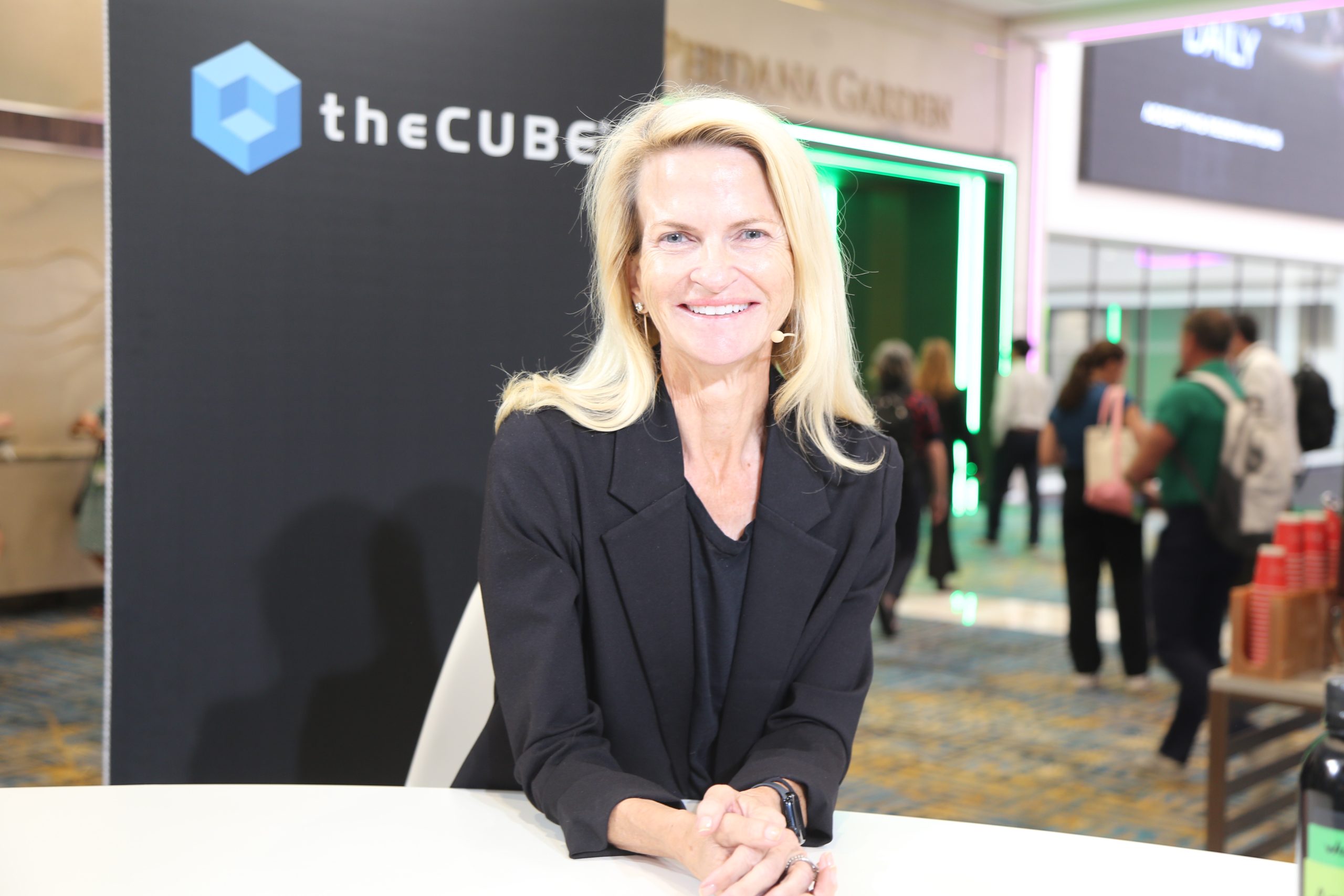
Workiva CIO Kim Huffman told theCUBE that the company's Agent Studio, announced at its Amplify event, lets use…
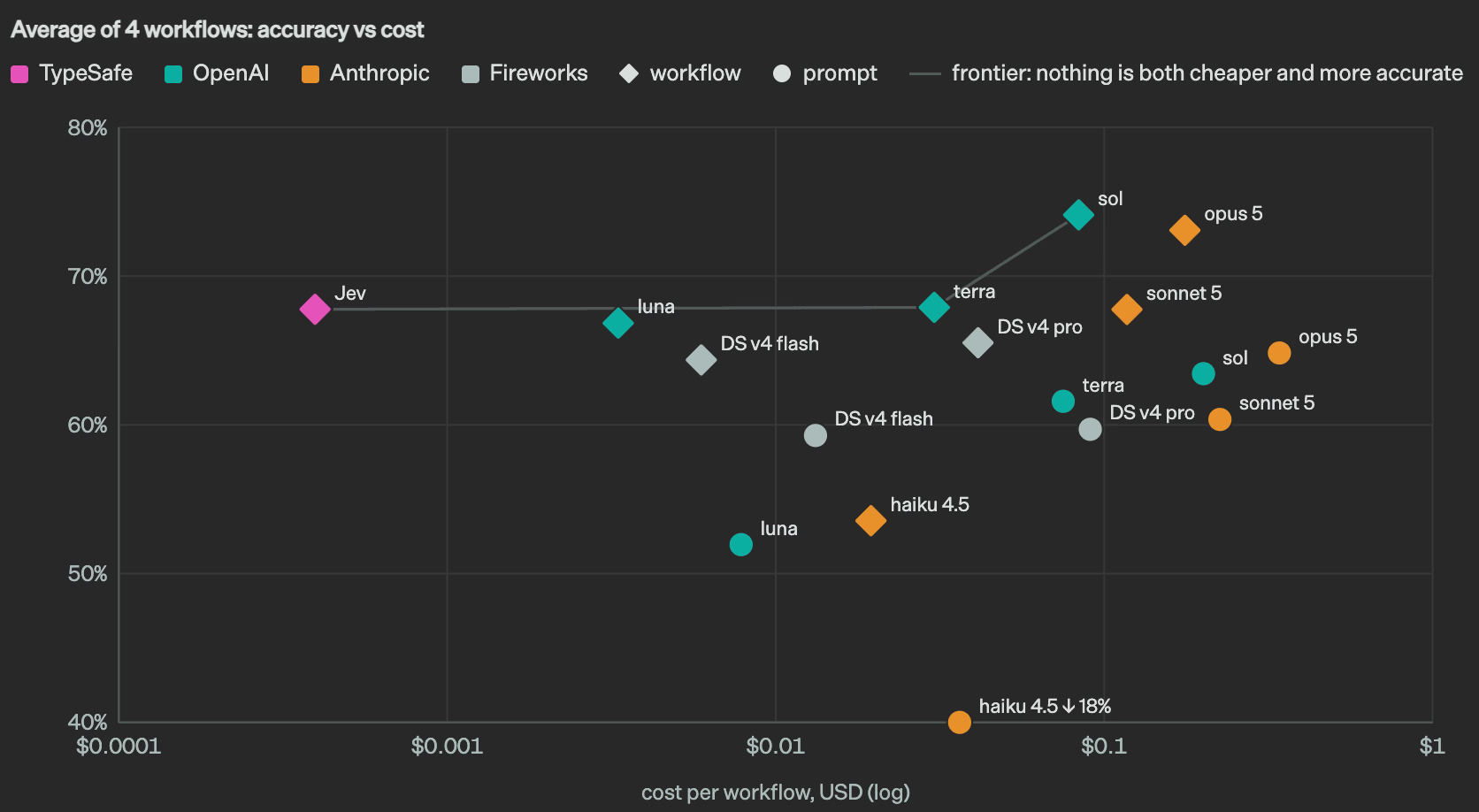
TypeSafe AI Inc. emerged from stealth yesterday with $40 million in seed funding led by DCVC Management Co
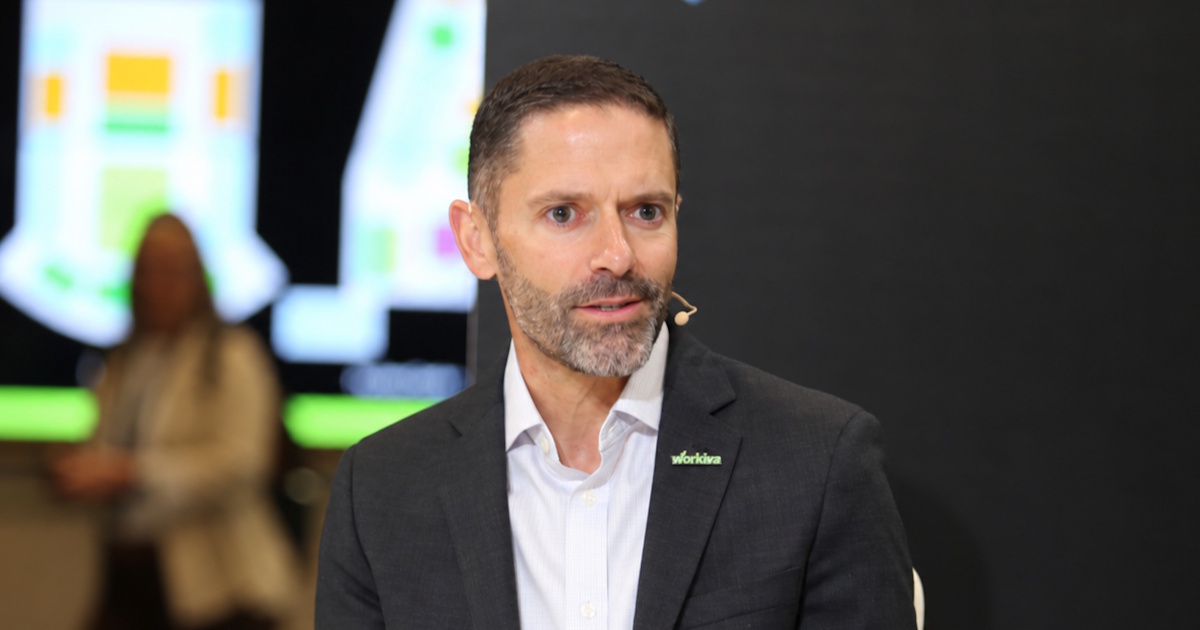
Workiva vice president Steve Soter told theCUBE at Workiva's Amplify event that its research found 84% of exec…
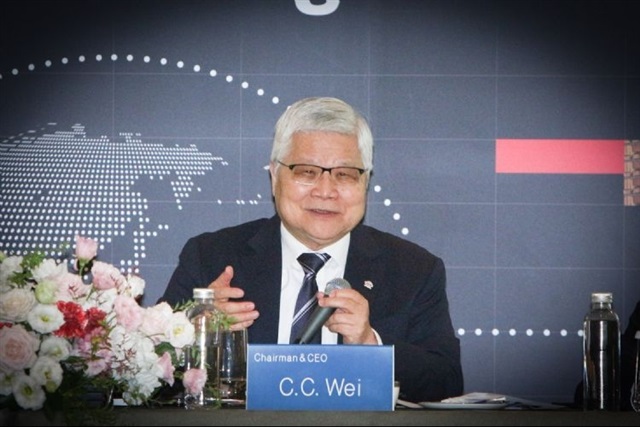
TSMC chairman C.C. Wei spoke to National Taiwan University students on September 15, 2026, sharing lessons fro…
Huawei unveiled what it calls the world's first 3D data center, using a vertically stacked four-layer architec…

OpenAI is reportedly exploring a funding round that could value it at roughly $1.2 trillion, up about 41% from…