What happened
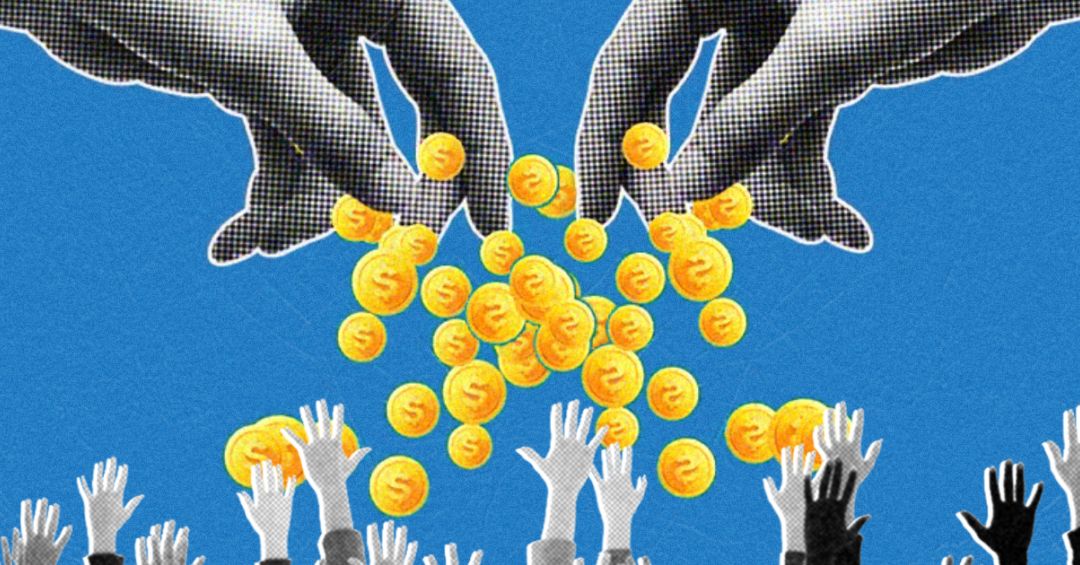
David Silver, founder of AI lab Ineffable Intelligence and former Google DeepMind researcher, has pledged to donate all proceeds from any future sale of his company to charity. Silver raised $1.1 billion at a $5.1 billion valuation in January, reportedly the largest seed round in Europe's history. He is part of a growing cohort of AI founders—including Mustafa Suleyman (Microsoft AI CEO) and Anton Osika (Lovable founder)—making binding charitable pledges through Founders Pledge, a nonprofit that has seen pledge values jump from $400 million in 2023 to $4 billion so far this year, with AI now accounting for a third of the organization's lifetime pledge total.
Why it matters
If OpenAI and Anthropic go public as planned, the AI industry could represent an increasingly outsized share of tech philanthropy. However, scholars raise concerns about whether philanthropy is the most legitimate way to redistribute wealth created by capitalism, whether megadonors' pledges could become moral cover for reckless AI acceleration, and whether unelected billionaires should hold such power over global causes. The model echoes earlier tech philanthropy—the Gates Foundation has given away more than $100 billion since its founding—but raises questions about accountability and whether charitable giving addresses root causes of inequality.
What to watch
Linsey McGoey, a sociology professor at the University of Essex, warns that relying on megadonors to solve problems created by capitalism risks allowing perpetrators of those problems to shape solutions. Silver plans to direct his proceeds to organizations like the Malaria Foundation to save the greatest number of lives in the near term, framing his approach as focused on human suffering today rather than distant future scenarios.
Summaries like this, in your inbox every morning.
The surge in AI founder philanthropy reflects a broader shift in how extreme wealth from technology is being framed and managed. Silver's $1.1 billion raise and pledge come at a moment when the AI industry is consolidating capital at unprecedented scale—Founders Pledge's pledge total jumped 10-fold from 2023 to this year, with AI now driving a third of all lifetime pledges. This acceleration is tied to the expected public debuts of OpenAI and Anthropic, which the article suggests could mint thousands of new millionaires and dramatically increase AI's share of tech philanthropy.
However, the article surfaces a deeper tension: whether channeling billionaire wealth through charity can actually address the structural inequalities it creates. Scholars quoted in the article—including Linsey McGoey of the University of Essex and Apolline Taillandier of Cambridge—argue that philanthropic redistribution, by design, leaves the underlying system intact and allows megadonors to set priorities without democratic accountability. The precedent is sobering: WHO studies show that reliance on philanthropic funding (notably from the Gates Foundation, the largest such example) has shifted institutional priorities toward donors' preferred causes.
For AI specifically, the stakes appear higher. Silver denies his pledge is a moral hedge against the risks of superintelligence development, arguing instead that it removes financial incentive for misconduct. Yet the article invokes Sam Bankman-Fried's 25-year prison sentence for fraud as a cautionary tale—he justified reckless behavior through effective altruism's cold statistical logic, betting that eventual charitable impact justified near-term harm. The question implicit in the article is whether pledges from AI founders might similarly become part of a risk calculation, where the scale of promised future donations justifies present acceleration into unknown territory.
For example, today's edition would include:
AI-summarized, only the topics you pick: one digest a day via Email, LINE, or Slack.
Free · 30 seconds with Google · unsubscribe anytimeWhat is AIToday? →
Ask AI anything about this article. The AI reads this article, earlier AIToday articles, and Wikipedia, and cites its sources. Q&As are published on this page for other readers too.
Adobe announced in September 2026 it is expanding its connector for Google Gemini and its plugin for Claude, s…

At the WTR Insights Conference, CEO Jay Chandan said Gorilla completed the first of four Yotta India phases —…

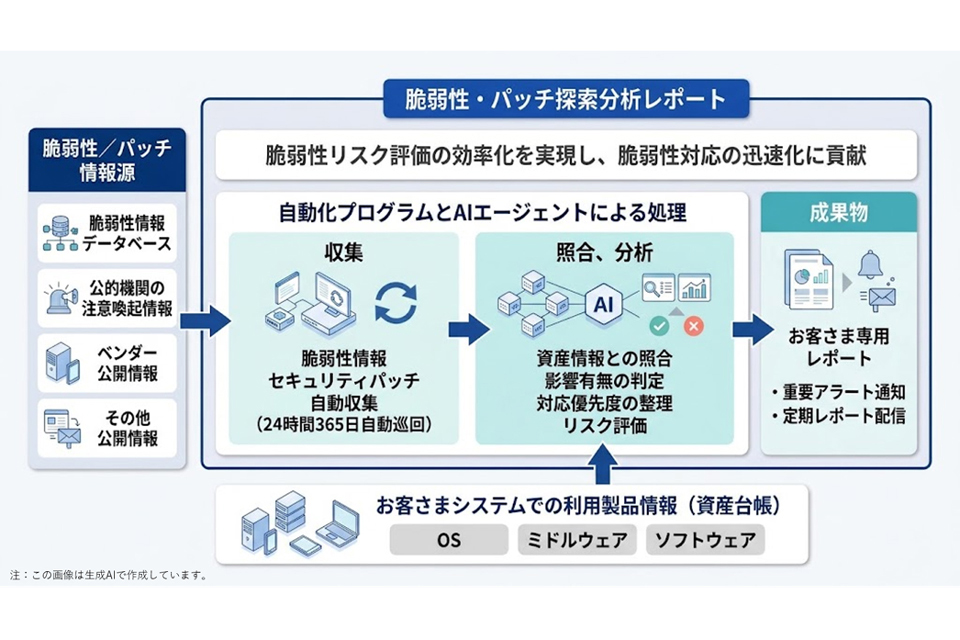
Hitachi began offering its "Vulnerability/Patch Discovery & Analysis Report Service" on September 28, and JPX…
Google Japan said September marks 25 years since its Japanese unit began, and it has opened a special site plu…

In a September 2025 paper titled "Why Language Models Hallucinate," OpenAI researchers said low-frequency fact…

A developer moved Codex work to Pi Coding Agent, running gpt-6-sol at high thinking