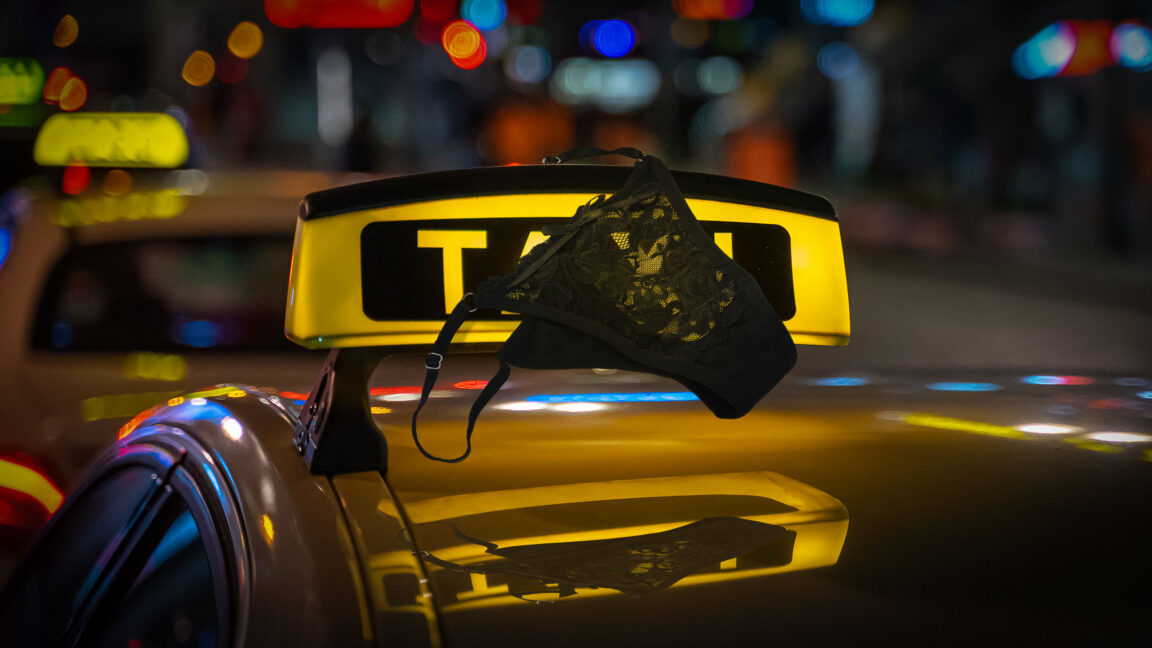
What happened
Rouchitsas said content creators, including those on OnlyFans and Pornhub, may see Waymo rides and public shuttles as cheap, well-lit, quasi-soundproof studios. Tourists unfamiliar with local customs are the second group.
Why it matters
Robotaxi interiors are private in feel but not in law or social meaning, so the risk is that one passenger's behavior causes offense. In some countries, that offense may lead to action beyond mere disapproval, Rouchitsas said.
What to watch
How robotaxi design handles cultural and legal differences, since brands already operate in the Middle East, Asia, and China. In India, a colleague noted riders may book a seat rather than the whole car, potentially sharing with strangers.
WHO IT HITSRobotaxi operators and their interior designers, especially those in countries with strict laws or conservative customs, face pressure to set rules for passenger behavior that work across very different markets.
Summaries like this, in your inbox every morning.
The comments point to a gap between how a driverless car feels and how it is actually regulated. Rouchitsas describes the robotaxi as a private-feeling space, but one that sits inside public rules and local norms. That mismatch is what makes the question of sex in robotaxis more than a punchline.
The two groups he names come at the vehicle from different directions. Content creators may treat it as an inexpensive production space, drawn by lighting and quasi-soundproofing. Tourists, by contrast, may simply misread what is acceptable where they are. Rouchitsas, who says he comes from a Greek island, frames this through what he calls tourist debauchery.
The harder issue is that the same behavior carries very different consequences depending on the country. Rouchitsas notes that in some places an offended observer may want to take further action rather than stop at offense, and he points to brands already operating in the Middle East, Asia, and China, where legal frameworks differ completely. How much design can actually resolve that tension remains an open question, and the answer may depend less on vehicle interiors than on how operators choose to set and enforce rules market by market.
Pick your industry and the AI tools you use, and get news related to your work every day.
Free · 30 seconds with Google · unsubscribe anytimeWhat is AIToday? →
Ask AI anything about this article. The AI reads this article, earlier AIToday articles, and Wikipedia, and cites its sources. Q&As are published on this page for other readers too.
Sell ratings are 13.1% of 61 analyst recommendations on Tesla — the lowest share since April 2023, down from a…
Thieves stole two PlusAI trailers from its Fremont, California warehouse last week, one Nvidia-branded, but th…

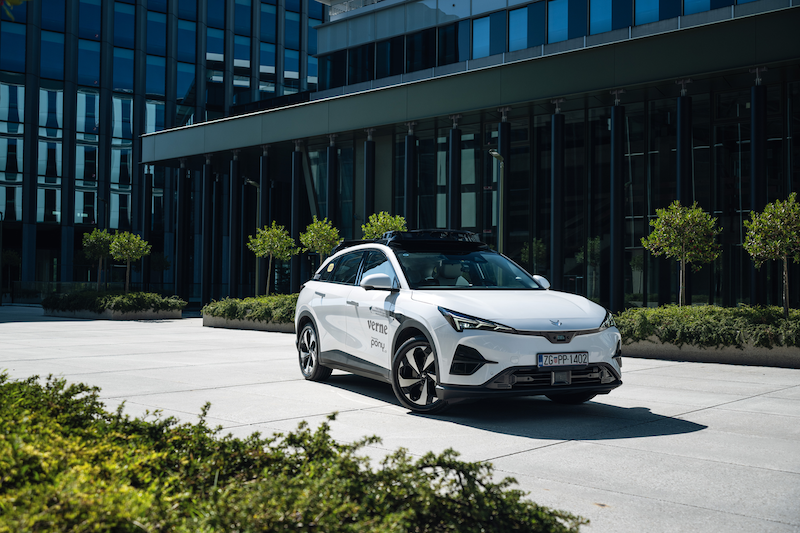
Pony.ai and Verne began fully driverless Robotaxi test rides with passengers on public roads in Zagreb, along…
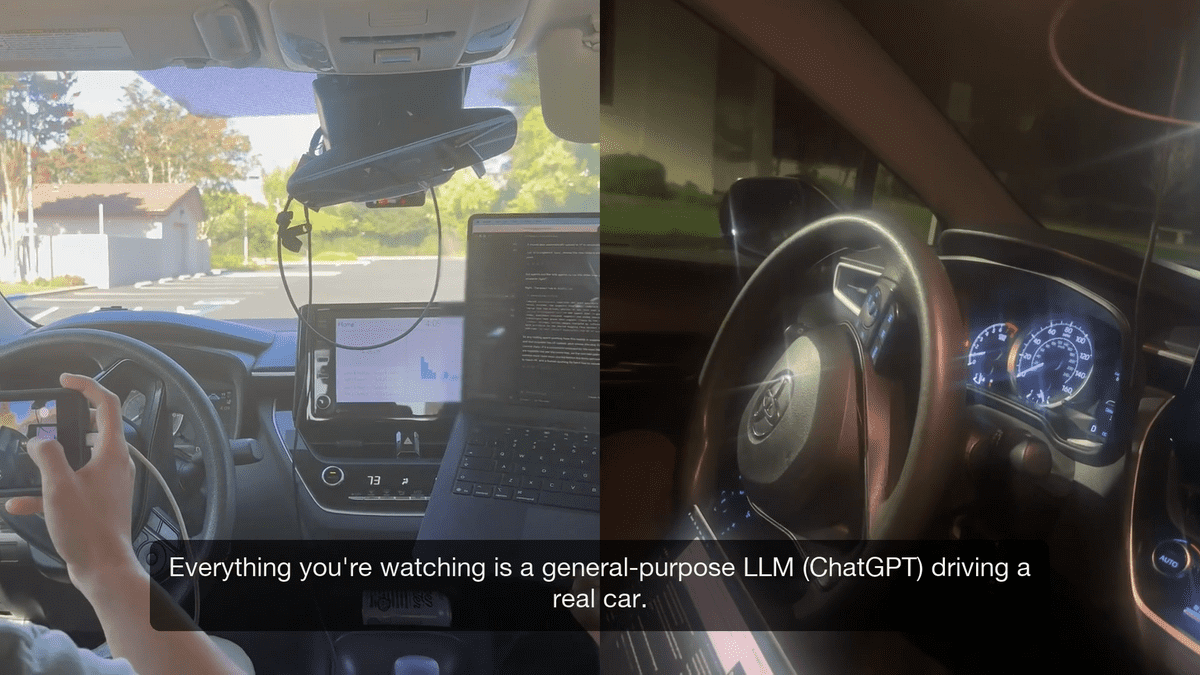
DrivingBench, run by three engineers at the AI startup Axiom Math, connected GPT-6 Astra, Claude Fable 5.1, Gr…
A test ride in Turing's self-driving car showed natural-feeling driving, yet there were moments the AI's think…
The article uses an Xpeng owner's Reddit complaints — Spotify streaming dropouts, mistimed ADAS alerts, and a…


