Salesforce experienced a volatile two-day swing after JPMorgan's bullish coverage, with the stock initially surging 4% on Thursday before falling 2.8% Friday as investors demanded proof that AI revenue growth is genuinely additive to the business.
The company's latest results showed Agentforce and Data 360 annual recurring revenue approaching $3.4 billion—up more than 200%—but the market remains unconvinced that this growth replaces lost traditional software subscription revenue rather than supplementing it.
What happened
Salesforce surged over 4% Thursday after JPMorgan analyst Samik Chatterjee initiated coverage with an overweight rating and a $250 price target, then reversed roughly 2.8% on Friday morning as investors reassessed the AI opportunity.
Why it matters
Salesforce's Agentforce and Data 360 products now generate annual recurring revenue approaching $3.4 billion—up more than 200%—with Agentforce ARR alone at $1.2 billion (up 205%). The concrete revenue numbers show AI is becoming a real business, but investors remain skeptical that AI growth will be additive rather than cannibalizing traditional software subscriptions.
What to watch
The stock trades at $196.20 versus a GF Value of $331.70, a 40.85% gap that the market will only close if Salesforce demonstrates faster growth. August 26 is flagged as the next potential catalyst.
Ask the AI about this article →
The sharp reversal from Thursday's 4% gain to Friday's 2.8% loss encapsulates a fundamental tension in how the market is pricing Salesforce's AI opportunity. JPMorgan's bullish thesis rests on the argument that generative AI risk is overdiscounted, yet the stock's immediate pullback suggests investors are not yet convinced by the narrative alone. The critical difference is that Salesforce now has concrete financial evidence: Agentforce and Data 360 ARR approaching $3.4 billion represents a material business, not merely a theoretical future opportunity.
However, the market's skepticism points to a specific concern. The $3.4 billion in AI-driven ARR, while substantial, already equals roughly 7.4% of Salesforce's $46.05 billion full-year revenue guidance. The core question is whether this new revenue stream supplements the existing business or displaces it. If customers are redirecting spending from traditional software subscriptions to AI-powered products, the growth story collapses. If Agentforce and Data 360 represent genuinely incremental revenue, the investment thesis strengthens significantly. Salesforce's valuation gap—trading 40.85% below GF Value—indicates the market will reward the company only once it demonstrates faster overall growth powered by these AI offerings.
For example, today's edition would include:
AI-summarized, only the topics you pick — one digest a day via Email, Slack, or Discord.
Free · takes 30 seconds · unsubscribe anytimeWhat is AIToday? →
Ask AI anything about this article. Q&As are published on this page for other readers too.
Phonely Ltd. launched Alma, a large language AI model built for voice agents and trained on over 10 million re…

Aranya Inc., a startup founded last year, launched today with $11 million in funding

CBTS Technology Solutions LLC launched Forge Agents, a platform that turns a plain-language job description in…

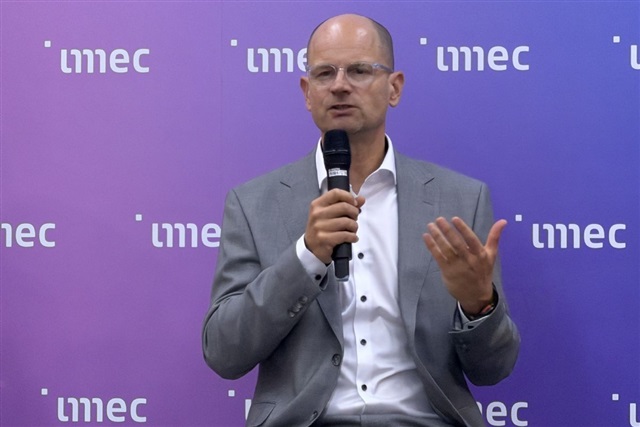
Imec CEO Patrick Vandenameele said at SEMICON Taiwan 2026 that the Belgian research center is broadening its c…
Alphabet's AI Overviews now reach over 2.5 billion monthly users through Google Search, and its ad business ge…
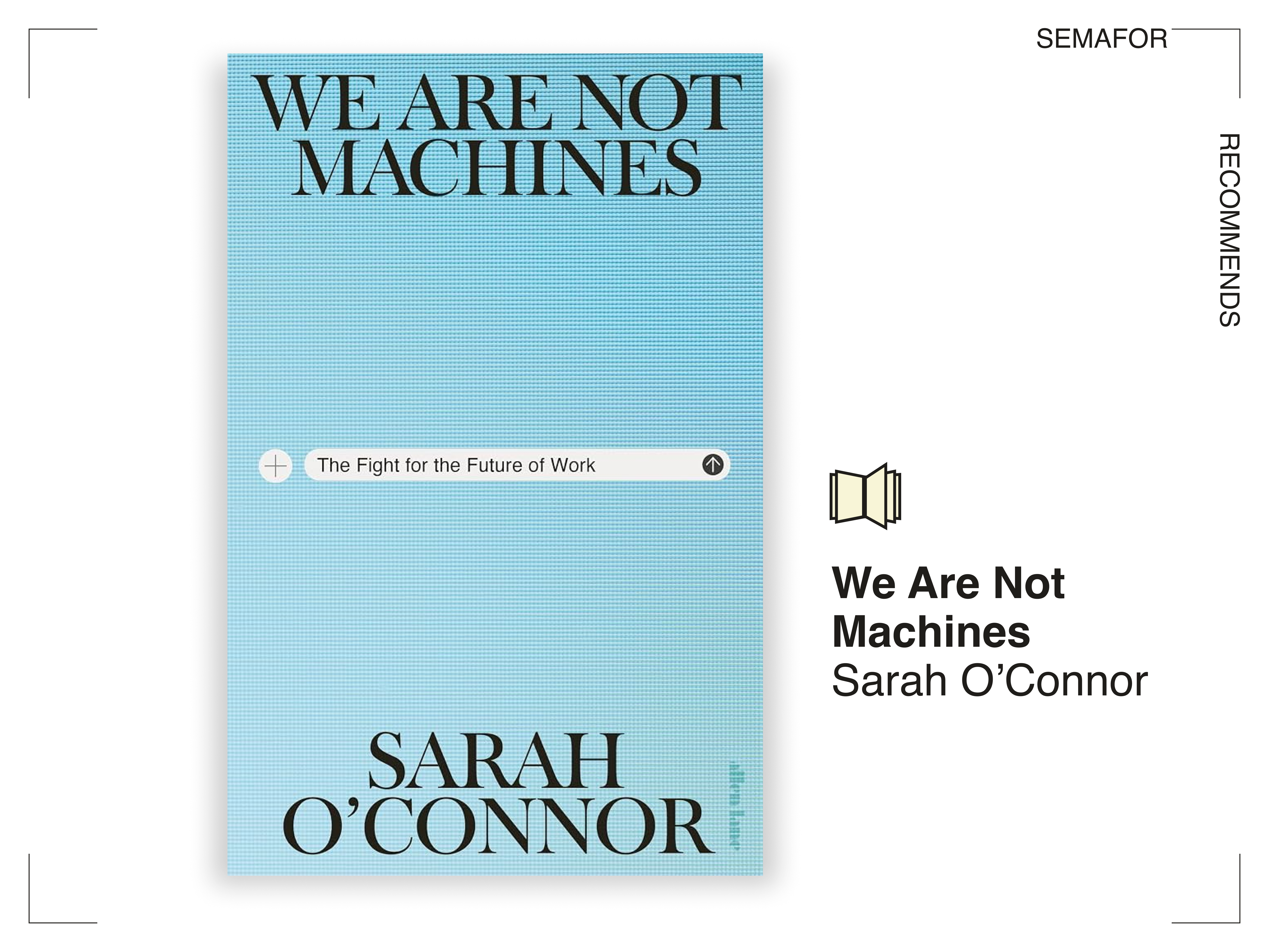
Sarah O’Connor's book 'We Are Not Machines' explores how mechanization and AI have transformed the workforce…