What happened
Cloudflare disclosed that from Aug 27 to Sep 9, 2026, its Workers AI GLM-5.3 model returned 155 responses containing other users' request data on prompts over 681,280 tokens. Researcher Gadi Evron of Knostic reported the issue via HackerOne.
Why it matters
The incident shows that even a major provider's service can fail to isolate customers' data, so infrastructure teams should assume tenant separation in hosted AI services can break and prepare accordingly.
Summaries like this, every morning.
The leak stemmed from two overlapping problems, according to Cloudflare. GLM-5.3 was published with a context length of 1,048,576 tokens, but the GPU-side KV cache held only 681,280 tokens; Cloudflare knew of the mismatch before launch but assumed the engine would error on oversized prompts. Separately, a bug in the open-source SGLang inference engine, running in a disaggregated setup that splits prompt processing and answer generation across GPUs, meant a rejection flag was not passed to the decode side. The decode side then read leftover memory from a previous request and produced an answer. Cloudflare also noted that KV cache pages are not zeroed per request for performance reasons. The model was taken offline on Sep 9 and republished with a fixed configuration on Sep 10. For operators running SGLang in a disaggregated setup, Cloudflare recommends updating to v0.5.22 or later. The incident highlights that HTTP 200 responses can carry incorrect content, and that client-side checks such as canary markers and pre-send redaction can help detect or prevent data mixing.
Pick your industry and the AI tools you use, and get news related to your work every day.
Free · 30 seconds with Google · unsubscribe anytimeWhat is AIToday? →
Ask AI anything about this article. The AI reads this article, earlier AIToday articles, and Wikipedia, and cites its sources. Q&As are published on this page for other readers too.
Folkbench published a guide, reworked for Japanese readers on Zenn, laying out four checks for AI relays used…

chrome-use, an Apache-2.0 CLI and MCP server, connects agents such as Claude Code, Codex and Cursor to your ev…

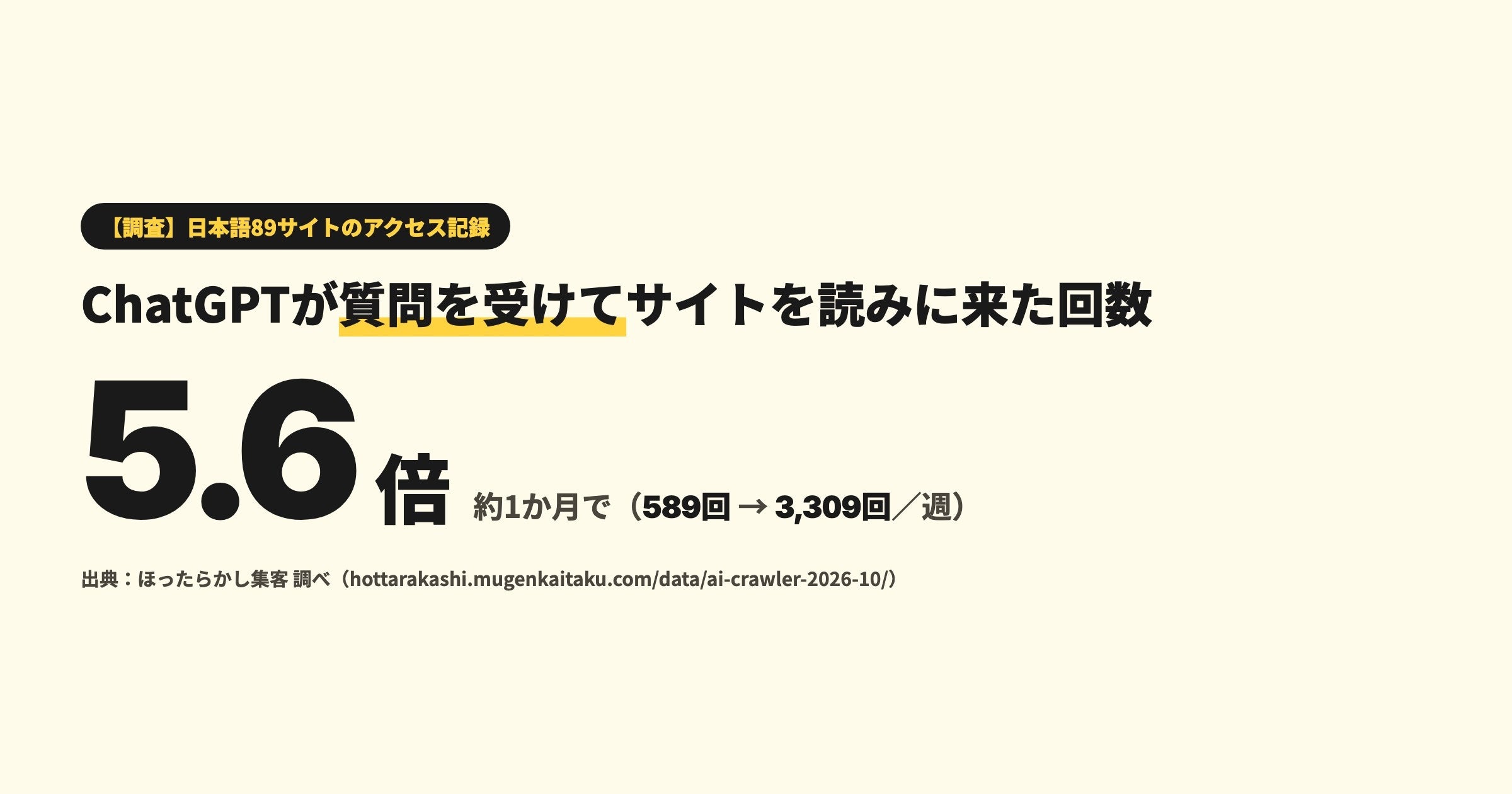
Across 89 Japanese-language sites run by Mugenkaitaku, ChatGPT-User visits rose from 589 in the week of Sept 3…
Uravation began offering a 6-hour hands-on course built on the emergency PHP release of 2026年10月21日, with AI a…

Broadcom reached a deal with several financial firms to finance the purchase of US$63 billion worth of its chi…

NVIDIA and Meta announced they will expand their work on Muse and the Muse family of models to improve inferen…