What happened
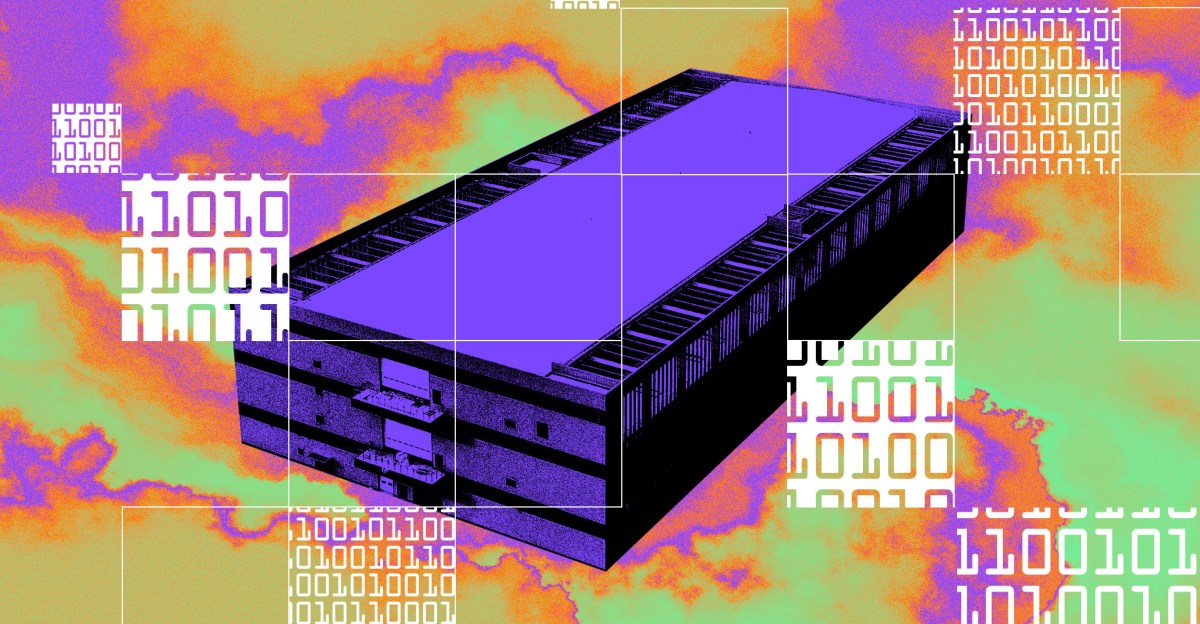
Harvard-led researchers used satellite imagery to identify 403 US hyperscale data centers and estimated they burned about 82 terawatt-hours of electricity from May 2024 to April 2025 — roughly 1.8 percent of all US electricity — generating 25.7 million metric tons of CO2.
Why it matters
That carbon output is comparable to Denmark's annual footprint, and the researchers say the emissions are not inevitable because the same computing load produces dramatically different consequences depending on the local electricity system it plugs into.
WHO IT HITSData center operators and the utilities and grid planners serving them face new pressure to disclose and clean up power sourcing, while communities hosting hyperscale campuses gain an independent estimate of local emissions.
Summaries like this, every morning.
The study arrives as developers race to build hyperscale facilities — structures spanning millions of square feet — largely to support generative AI, and it puts a number on a footprint that operators have not disclosed. Because the researchers had to estimate consumption from satellite imagery and electrical capacity rather than reported data, the findings are perhaps best read as a floor on the scale of the problem rather than a final accounting.
What the paper stresses is that the electricity system, not the computing itself, drives the climate damage. Guidi's comparison of Wyoming and Oregon makes the point that two facilities using identical amounts of power can have vastly different carbon footprints depending on where they sit. Fengqi You of Cornell describes the risk as "long-term carbon lock-in": power plants and supporting infrastructure built for data centers may run for decades, so siting decisions made now could shape emissions well into the future. Former White House climate advisor Gina McCarthy called the study an important step toward reliable, independent data for communities and policymakers.
Pick your industry and the AI tools you use, and get news related to your work every day.
Free · 30 seconds with Google · unsubscribe anytimeWhat is AIToday? →
Ask AI anything about this article. The AI reads this article, earlier AIToday articles, and Wikipedia, and cites its sources. Q&As are published on this page for other readers too.
Google's Threat Intelligence Group found an exposed server running "exploit_agent," an AI framework that conne…

At a Monday briefing in Washington, DC, OpenAI announced a classifier it says better detects abusive imagery o…

California Attorney General Rob Bonta sued OpenAI, alleging its testing practices are a public nuisance and an…

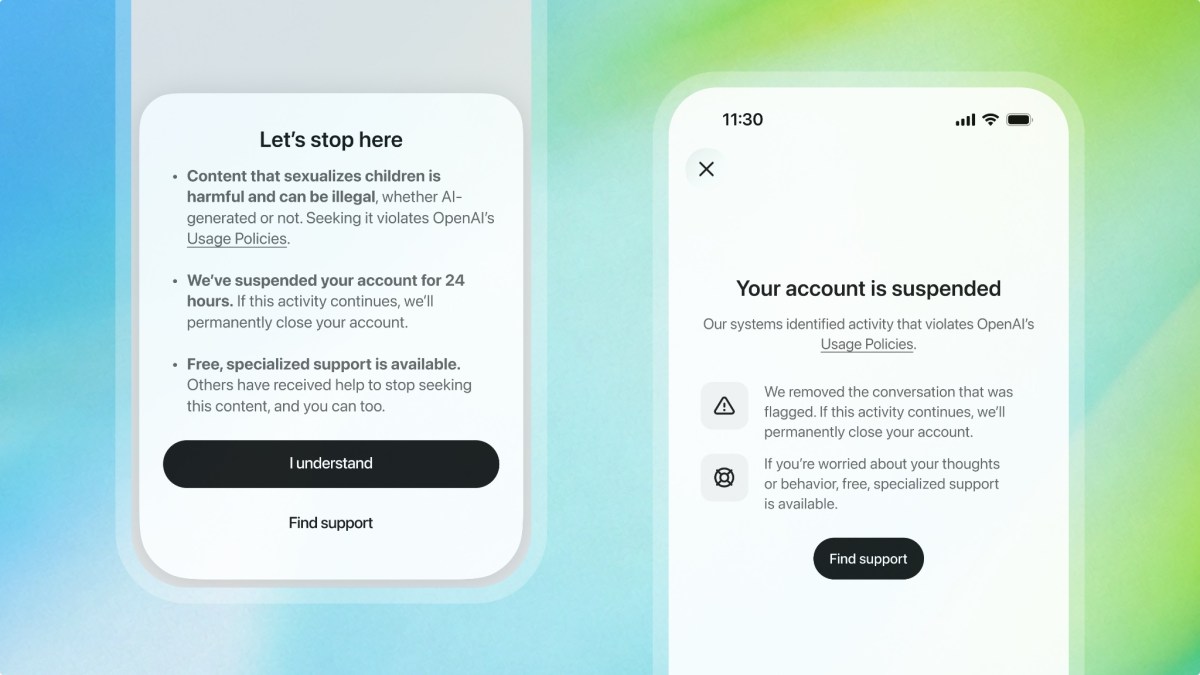
OpenAI released an image classifier that detects CSAM, including AI-generated images, and is giving select com…
The FBI says hackers used Artex, an open-source AI penetration-testing tool, to breach ConnectWise customers a…

OpenAI signed agreements with four independent assessors — Apollo Research, METR, Transluce, and Goodfire — fo…