What happened
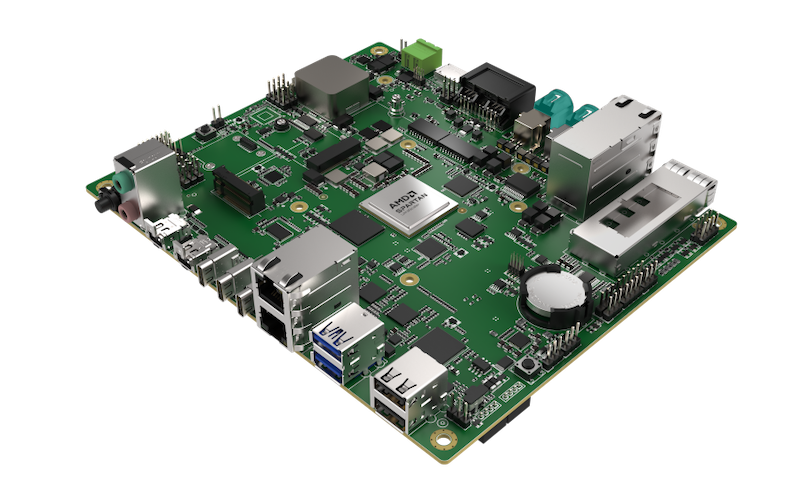
Sapphire Technology unveiled the EDGE+ Apex SOM/Carrier Robotics Platform, a production-ready hardware system powered by AMD Ryzen AI Embedded X100 Series processors, designed for autonomous robotics and physical AI applications. The platform was showcased at AMD Advancing AI 2026 in San Francisco.
Why it matters
The platform combines CPU, GPU, and NPU acceleration with robotics-specific I/O (GMSL camera interfaces, CAN-FD, EtherCAT/TSN networking, USB4, PCIe Gen5) in a single integrated system, allowing developers to move from prototype to production faster without being locked into a single compute architecture. It supports open software frameworks and AMD ROCm tools, reducing engineering effort and time to market for robotics builders.
What to watch
The EDGE+ Apex platform will be available in two components—an AMD Ryzen AI Embedded X100 Series processor COM-HPC Client B SOM and an AMD UltraScale+ FPGA robotics-targeted carrier board—as part of Sapphire's expanding EDGE+ portfolio that also includes the AMD Kria AI platform for production-ready System-on-Module designs.
Summaries like this, in your inbox every morning.
Sapphire's EDGE+ Apex platform addresses a core challenge in autonomous robotics: developers need production-ready hardware that integrates perception, real-time control, and decision-making without forcing them into a proprietary software stack. By pairing AMD Ryzen AI Embedded X100 Series processors—which combine CPU, GPU, and NPU acceleration—with robotics-specific I/O engineered for sensors, cameras, and industrial networks, the platform reduces the engineering overhead of moving a prototype into continuous industrial deployment.
The modularity is significant: the system-on-module (SOM) approach lets developers integrate the compute engine with a purpose-built carrier board designed for real-world sensing and connectivity, rather than assembling components from multiple vendors. The inclusion of Functional Safety (FuSa) certification and Trusted Platform Module 2.0 compliance signals intent for safety-critical and regulated environments. By leveraging open frameworks and AMD's ROCm software, Sapphire avoids vendor lock-in—a concern for robotics builders evaluating long-term platform stability and lifecycle support.
Pick your industry and the AI tools you use, and get news related to your work every day.
Free · 30 seconds with Google · unsubscribe anytimeWhat is AIToday? →
Ask AI anything about this article. The AI reads this article, earlier AIToday articles, and Wikipedia, and cites its sources. Q&As are published on this page for other readers too.
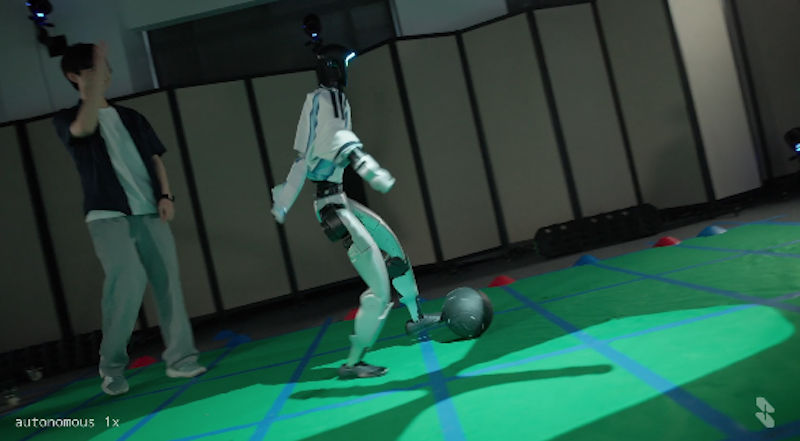
Skild AI used Nvidia Isaac Sim to give its S1 model one objective — score a goal — and let it compete against…
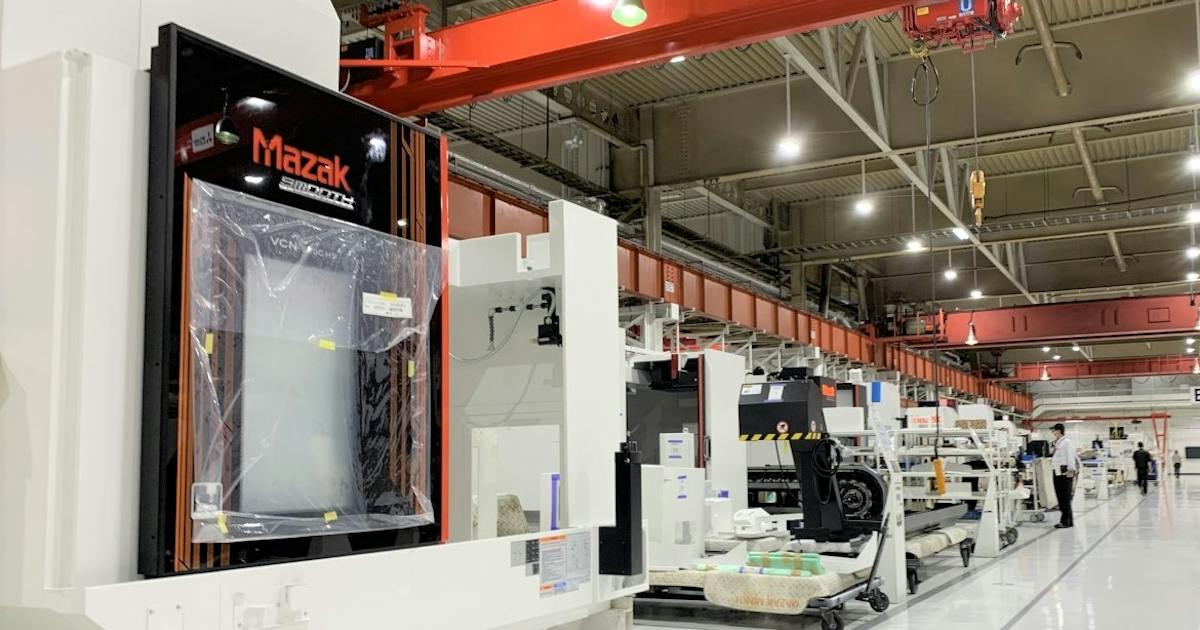
Yamazaki Mazak and ABEJA said on the 16th they will start joint development of physical AI, using ABEJA's ABEJ…
Toyota Motor's Japan Mobility Show Bizweek 2026 booth centers on its AI basketball robot CUE7, has no other ex…
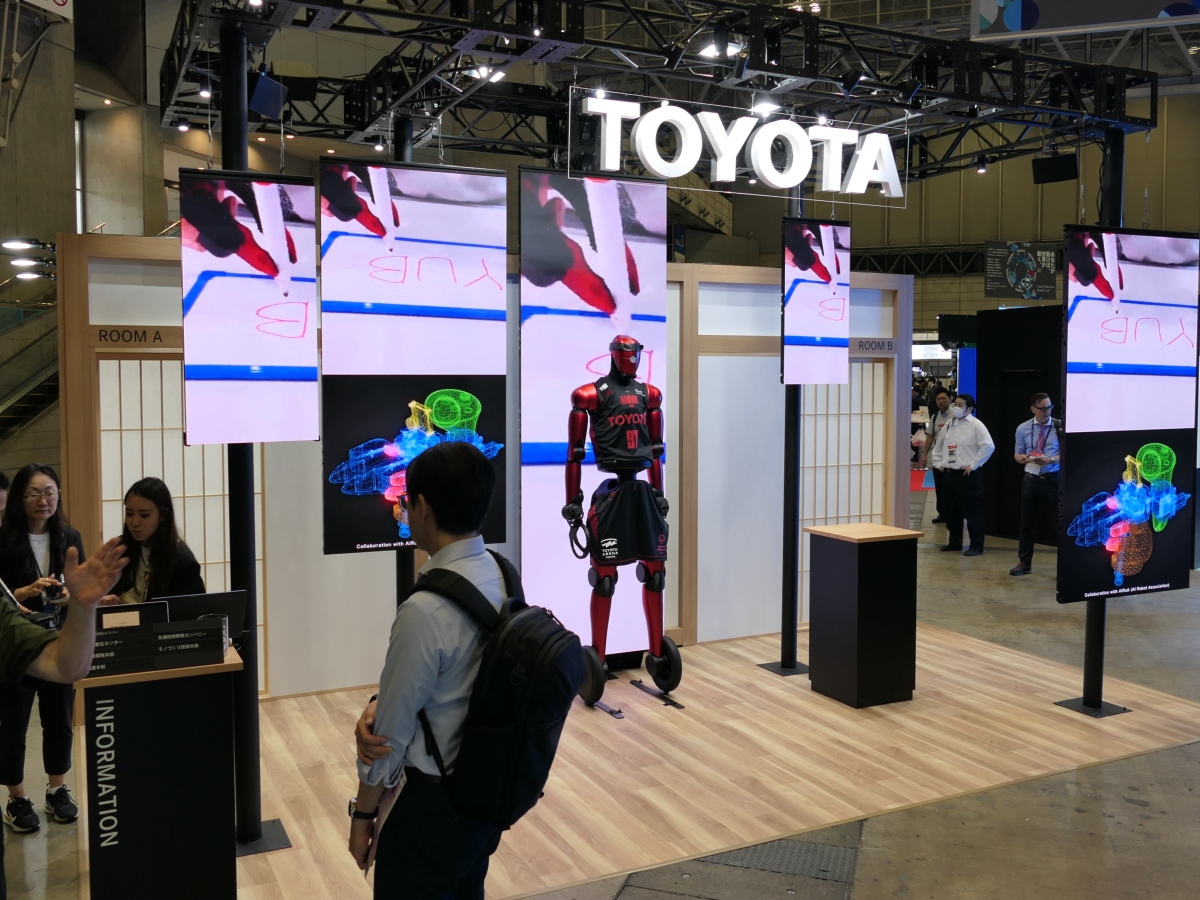
Japan Mobility Show Bizweek 2026 showcased Physical AI applications, including Toyota's basketball-playing rob…
Google pitched Gemini 4 Argon as one model for robot control, simulation and training-data review, saying it s…
Researcher Sammy Azdoufal discovered Energize Lab's Eiliko robot stores 13 million conversations from 68,000 t…