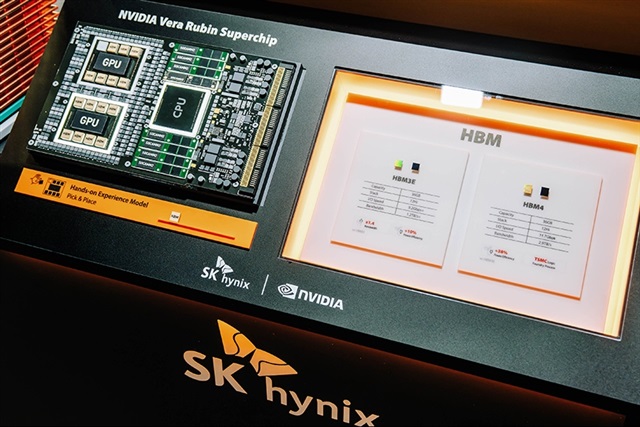
South Korean semiconductor exports to Taiwan are growing, with Korean-made high-bandwidth memory (HBM) increasingly sent to Taiwan for advanced packaging by TSMC as AI chip demand rises. This reflects the deepening integration of Korea and Taiwan's chip supply chains around AI production.
Summaries like this, in your inbox every morning.
Sign up free →What happened
South Korea's semiconductor exports to Taiwan are increasing, driven by demand for AI chips—specifically, Korean-made high-bandwidth memory (HBM) that moves through advanced packaging processes led by TSMC.
Why it matters
The shift reflects how AI chip production now depends on a tightly integrated cross-border supply chain, with Korea supplying memory components and Taiwan handling the advanced packaging work. This concentration creates dependencies between the two regions' semiconductor industries.
What to watch
The pace at which TSMC's packaging capacity fills with Korean HBM, and whether other packaging providers gain share as AI demand continues to grow.
South Korean semiconductor exports are increasingly directed to Taiwan, where Korean-made high-bandwidth memory (HBM) enters TSMC's advanced packaging pipeline to serve surging AI chip demand. High-bandwidth memory is a specialized component essential to AI processors, allowing them to move large volumes of data at high speed—a critical requirement for the inference (the step where an AI produces answers) and training workloads that power modern large language models and other AI systems. Korea has emerged as a major HBM supplier, but the finished memory components alone do not move directly into chips. Instead, they must be packaged—bonded to substrates, stacked, and integrated with logic dies—in advanced processes that TSMC has invested heavily in developing. This division of labor—Korean HBM production feeding into Taiwanese packaging—has become the dominant cross-border pattern as AI chip demand has surged. The trend reflects both the technical specialization of the two regions and the urgency of AI chip makers to secure supply from the most advanced manufacturers. TSMC's packaging services are the bottleneck-breaking layer in this chain, and the influx of Korean HBM through its fabs underscores how tightly bound Korea and Taiwan's semiconductor industries have become around AI.
The reported shift of Korean semiconductor exports toward Taiwan reflects a structural reordering of AI chip supply chains. High-bandwidth memory is a critical bottleneck component for advanced AI processors, and Korea has become a major HBM supplier. Rather than delivering finished components directly to end customers, Korean HBM is increasingly flowing into Taiwan's packaging ecosystem—particularly TSMC's advanced packaging services. This cross-strait arrangement suggests that AI chip makers are consolidating their supply chains around specialized hubs: Korea for memory production, Taiwan for the packaging and integration work that prepares chips for market. The pattern underscores how AI demand, which has been the dominant driver of semiconductor growth, is pulling manufacturing into tighter geographic clusters where specialized capabilities coexist.
AI-summarized, only the topics you pick — one digest a day via Email, Slack, or Discord.
Free · takes 30 seconds · unsubscribe anytime
No comments yet. Be the first to share your thoughts!
Log in to join the discussion



Get curated AI news from 200+ sources delivered daily to your inbox. Free to use.
Get Started FreeFree · takes 30 seconds · unsubscribe anytime
