What happened
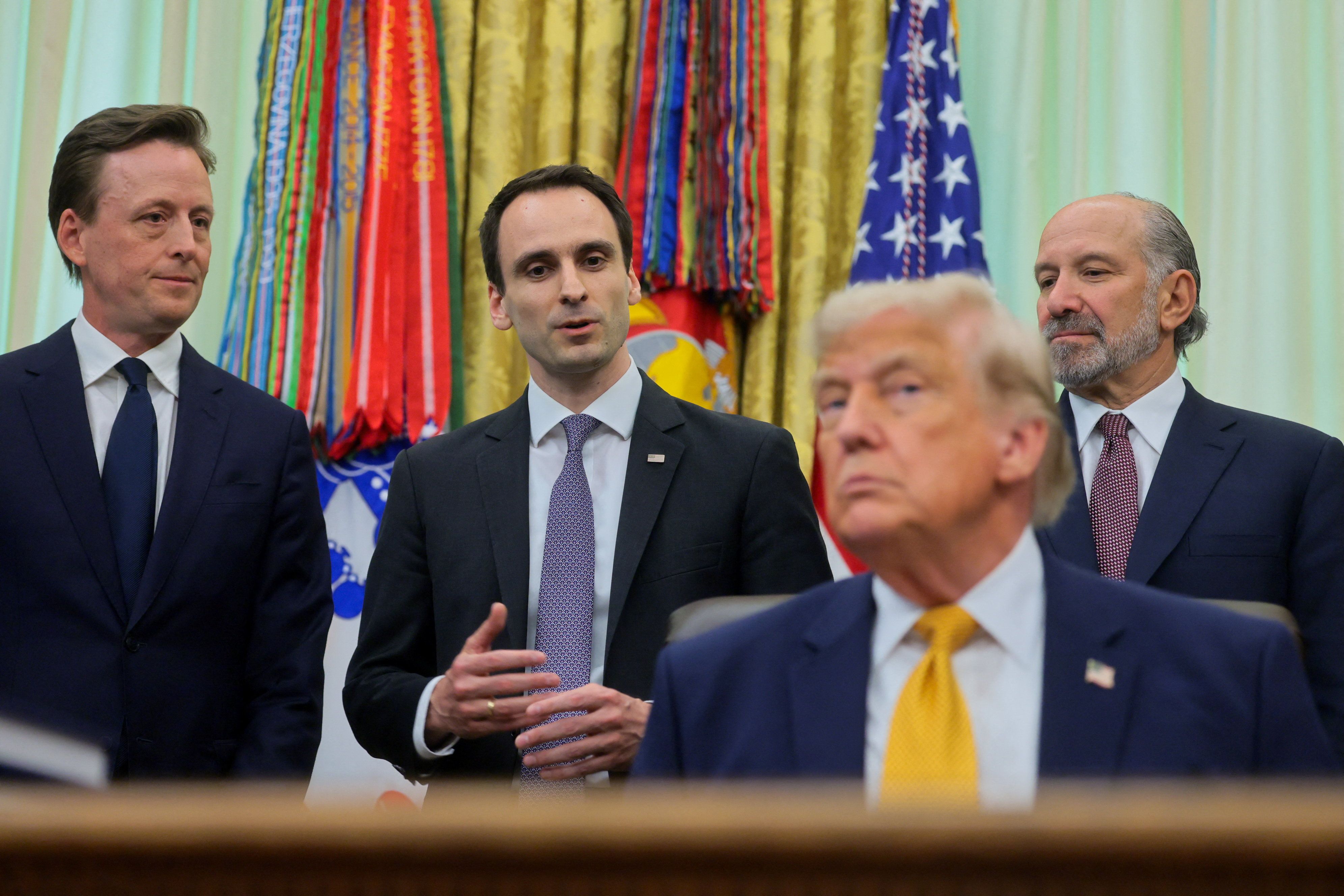
President Donald Trump declared over the weekend that he would appoint an AI czar, an attempt to smooth over the bad PR the industry has been getting in recent weeks.
Why it matters
There's little reason to believe the new adviser will change the narrative, since the administration's defense has been that frontier labs can police themselves.
What to watch
The test is whether the appointment shifts the broader policy conversation, which is trending toward action — watch UNGA this week, where countries are strategizing how to mitigate AI's harms.
WHO IT HITSUS policymakers and frontier lab executives are the main audience, since the appointment was framed as a response to the industry's bad PR while the administration's stated policy approach has been self-policing by the labs.
Summaries like this, in your inbox every morning.
The appointment announcement lands after weeks of negative coverage for the AI industry, and the Trump administration has treated that coverage as a PR problem rather than a policy one. Its commonly deployed defense is that frontier labs can police themselves, while US government policy should focus on outcompeting China. David Sacks, who formerly held the AI czar title and still chairs a White House council on science and technology, has kept hammering that anti-regulation message even though he is no longer an official government employee.
At the same time, the broader policy conversation appears to be trending toward some kind of action. Chinese and US officials are discussing AI risk cooperation, OpenAI is suggesting global risk-sharing, and countries are uniting at UNGA this week to strategize how to mitigate AI's harms. A new adviser may therefore find the ground shifting beneath the self-policing argument.
What the outcome hinges on is whether the appointment changes that conversation or simply reasserts the existing line — and for whom. For frontier lab executives and US policymakers, the test is likely whether the self-policing argument still holds as discussions at UNGA and between Chinese and US officials move ahead.
For example, today's edition would include:
AI-summarized, only the topics you pick — one digest a day via Email, LINE, or Slack.
Free · 30 seconds with Google · unsubscribe anytimeWhat is AIToday? →
Ask AI anything about this article. Q&As are published on this page for other readers too.
OpenAI published a September 21 blog, "Building standards for the next phase of AI," proposing US-led internat…
Nvidia guided for $108.0 billion in fiscal third-quarter revenue, with a footnote that it assumes no Data Cent…
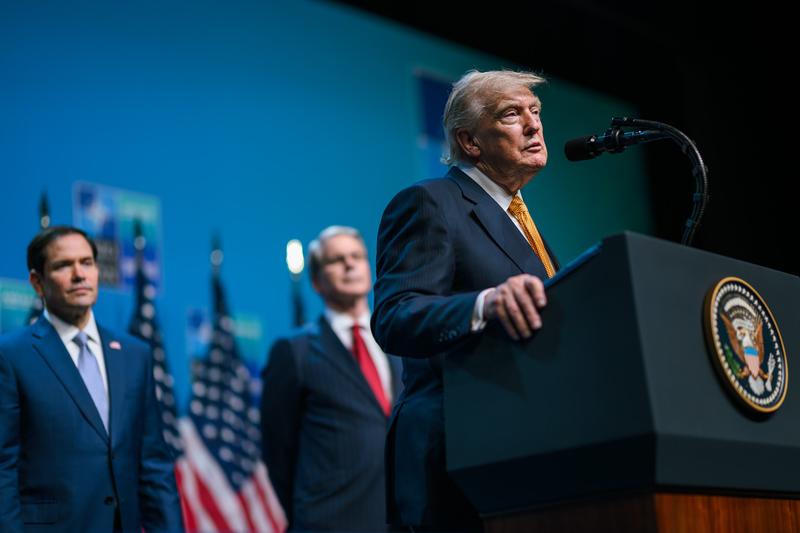
OpenAI on Monday called for the US to lead an international coalition to coordinate global AI standards, as Wa…
The United States is preparing to launch an AI-powered tool for air-traffic control, as reported by WSJ

OpenAI and Anthropic are close to signing a deal to stress-test each other's commercially released frontier AI…
A US legal roundup reports that damage experts manipulated Xactimate estimates, and that CVS executives made A…