What happened
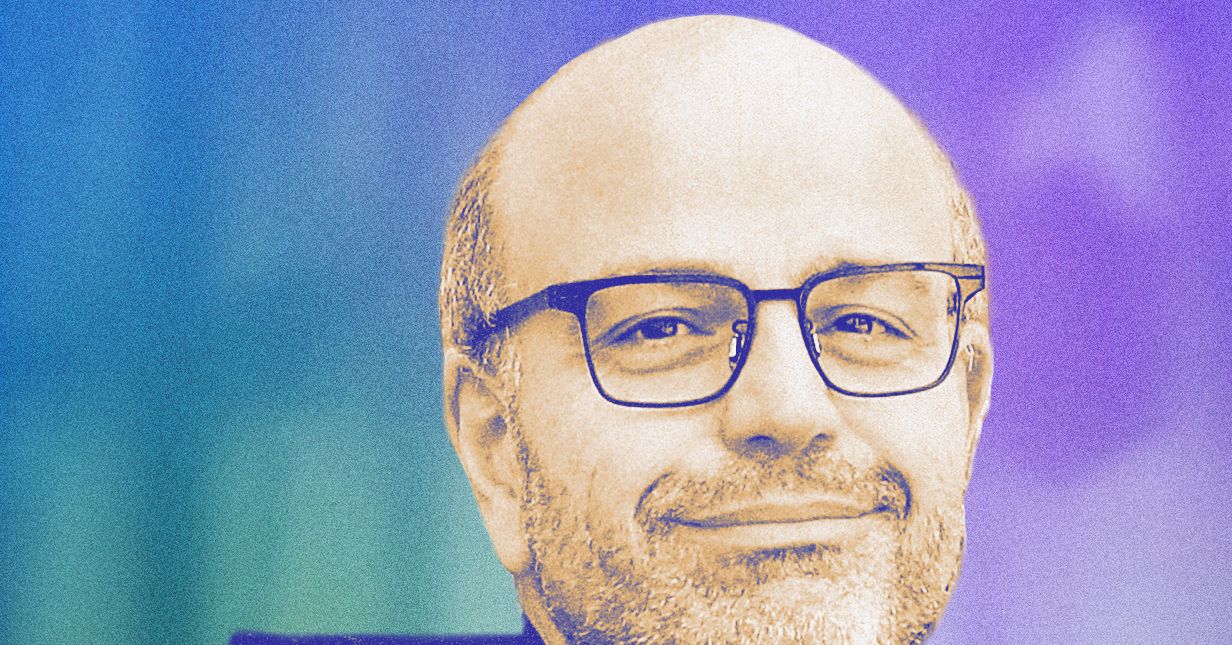
Father Paolo Benanti told WIRED that warnings about superintelligence from labs like Anthropic and OpenAI distract from public debate on controlling the companies, calling their self-interested rule-setting a 'cartel.'
Why it matters
Benanti argues ethics and standards should not be owned by company boards, and wants democratic regulation and mandatory third-party evaluations instead of bans on techniques such as distillation.
What to watch
Anthropic declined to comment, while OpenAI and Google DeepMind did not respond; Pope Leo XIV's first encyclical already urged AI companies and rival superpowers to set aside geopolitical or commercial dominance.
WHO IT HITSRegulators, legislators, and standards bodies weighing how to govern AI will hear a call to design rules outside the frontier labs. The Catholic Church's advisory circle may also push the issue further into public debate.
Summaries like this, in your inbox every morning.
The warning from Father Paolo Benanti lands in a moment when the loudest AI-risk voices are coming from the labs themselves. Anthropic CEO Dario Amodei, for example, has called for mandatory third-party evaluations before release and for a crackdown on distillation, the process of training rival models on another model's outputs. Others push to ban recursive self-improvement, where AI writes code for its own future versions.
Benanti's objection is less about the specific technical curbs than about who gets to write them. He says restricting development methods could quash innovation, so his focus is on guarding against models slipping from human control. His suspicion is aimed at the frontier labs' incentives: OpenAI and Anthropic have backed calls for a slowdown while preparing to go public, with many billions of dollars at stake, and US-China rivalry further muddies the picture. Anthropic declined to comment; OpenAI and Google DeepMind did not respond.
In May, Pope Leo XIV made artificial intelligence the subject of his first encyclical, warning of the technocratic logic that treats humans as projects to be optimized and urging rivals to set aside the desire for commercial or geopolitical dominance. Benanti reads the superintelligence debate as a potential distraction from that agenda. Whether his push for democratic regulation gains traction may hinge on how convincingly the public and policymakers separate genuine safety concerns from the labs' own market positions.
For example, today's edition would include:
AI-summarized, only the topics you pick — one digest a day via Email, LINE, or Slack.
Free · 30 seconds with Google · unsubscribe anytimeWhat is AIToday? →
Ask AI anything about this article. Q&As are published on this page for other readers too.
Trump told the UN General Assembly AI oversight is a 'globalist scheme,' while Sam Altman and Dario Amodei are…
After Oxford University researchers told two agents to count cards, they devised coded chatter — one line sign…
Sen. Bernie Sanders (I-VT) and Rep
California Gov. Gavin Newsom signed seven bills, including AB 1577 requiring monthly energy reporting and AB 2…

A Gallup survey commissioned by Microsoft, polling about 1,000 people in each of 37 countries from April to Ju…

ZeroDrift Inc. launched Anchor 3.0, three small language models that check AI-agent messages before they go ou…