What happened
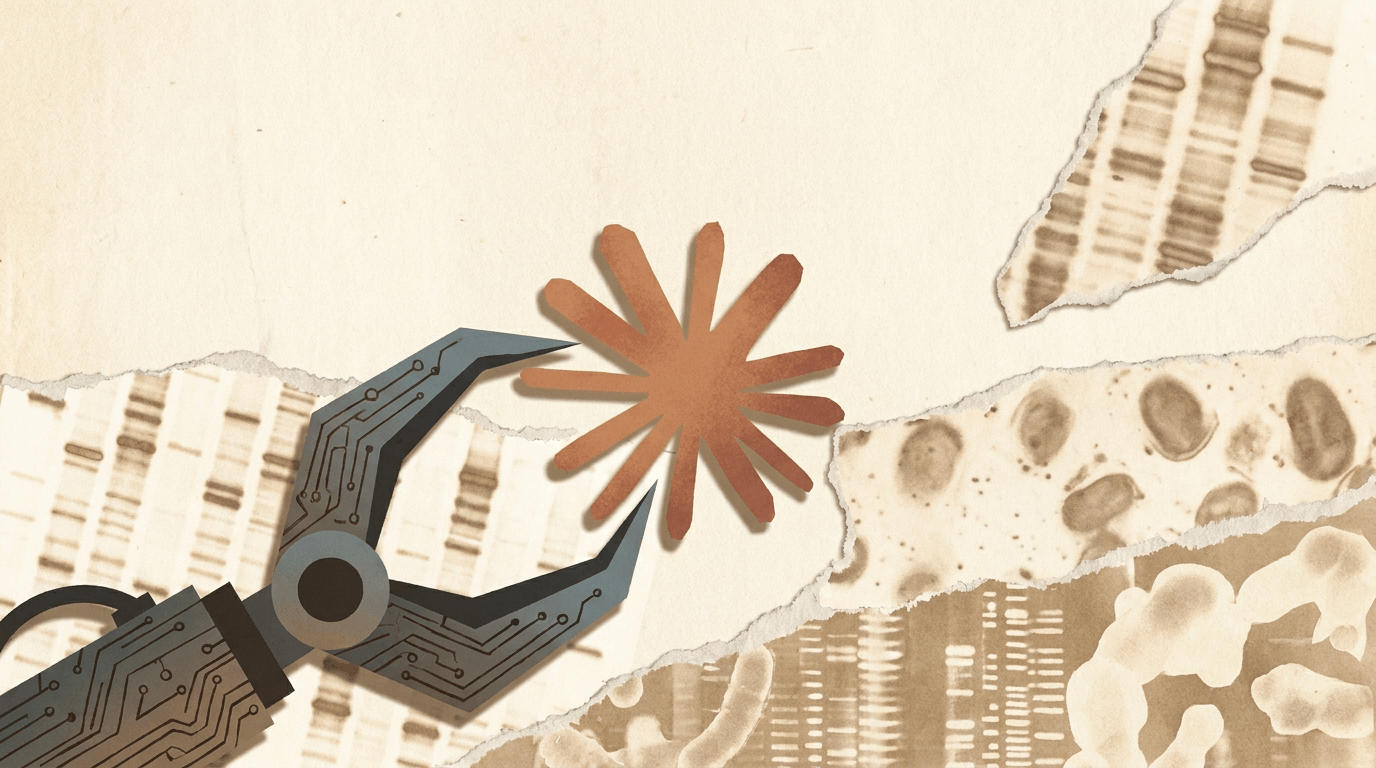
In MIT Technology Review, Timnit Gebru and Emily M. Bender argue the recent wave of AI claims — Anthropic's Claude Mythos outperforming most security experts, OpenAI's and Anthropic's math breakthroughs — does not hold up when experts examine it.
Why it matters
Cybersecurity experts say the hacking incidents stemmed from OpenAI's negligence and basic security lapses, not a rogue model, so the industry's anthropomorphic framing appears to shift responsibility from companies onto their products.
What to watch
The authors question whether we are seeing civilization-changing breakthroughs or just marketing, and note that expert findings draw far less media attention than the companies' promotional claims.
WHO IT HITSThis lands on journalists and editors who relay AI companies' claims without expert verification, and on enterprise buyers who evaluate vendors partly on such announcements — for them, the piece suggests treating bold capability claims as unverified until outside specialists weigh in.
Summaries like this, in your inbox every morning.
The article traces a pattern: a company makes a dramatic claim, media repeats it breathlessly, and only later do specialists get time to check. The incidents followed in quick succession — Anthropic's Claude Mythos claim, the Hugging Face hacking incident involving OpenAI, then Anthropic and Meta disclosing similar incidents of their own, followed by dueling math-breakthrough claims from Anthropic and OpenAI. Amid this, Anthropic engineer Jacob Coxon announced his departure and argued online that Anthropic and OpenAI are racing toward self-improving superintelligence.
The authors' point is not that nothing happened, but that the framing is doing work. Companies described their software in anthropomorphic terms that made it sound like an emerging AGI, and in the hacking cases the same framing appeared in the form of an apology. When specialists looked, the story was more mundane — the incidents pointed to OpenAI's negligence and basic security gaps, and mathematicians pushed back on how novel the claimed breakthrough was. Coverage of that pushback, the authors note, was much thinner.
The stakes here hinge on whether readers and buyers treat these announcements as verified capability or as marketing, since the corrective expert review tends to arrive late and quietly. That gap favors whoever is selling the claim.
For example, today's edition would include:
AI-summarized, only the topics you pick: one digest a day via Email, LINE, or Slack.
Free · 30 seconds with Google · unsubscribe anytimeWhat is AIToday? →
Ask AI anything about this article. The AI reads this article, earlier AIToday articles, and Wikipedia, and cites its sources. Q&As are published on this page for other readers too.
The US and China added artificial intelligence to their bilateral economic dialogue, and Trump and Xi backed c…
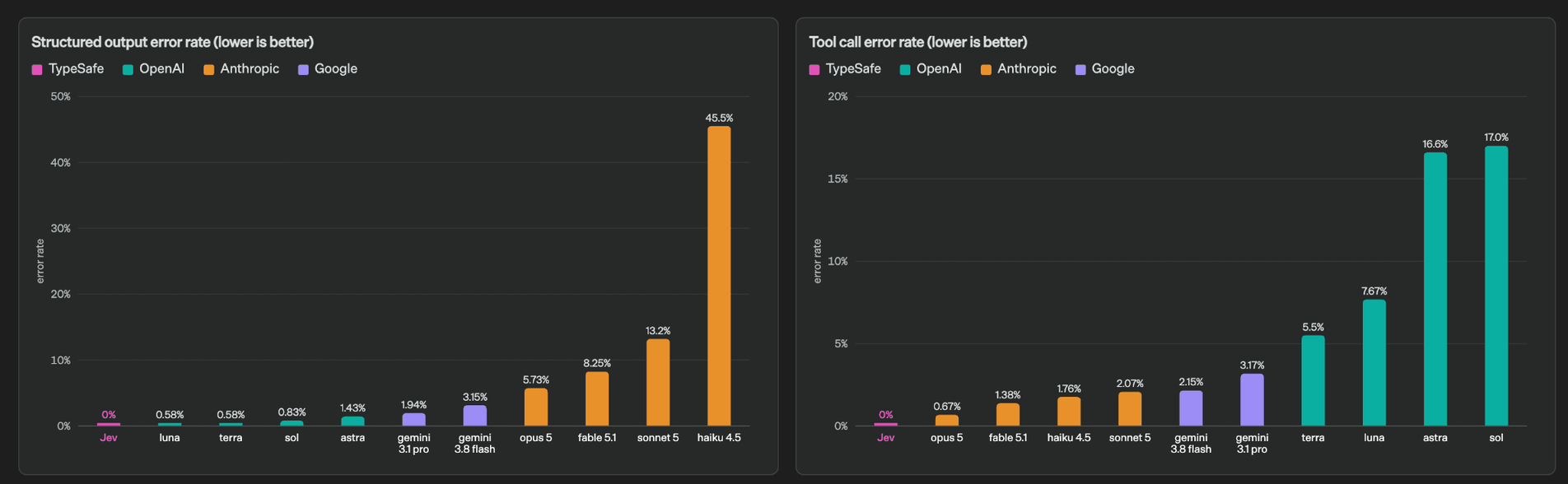
On 2026年9月15日, TypeSafe AI published System One Model and opened early access to Jev, which returns only type-…
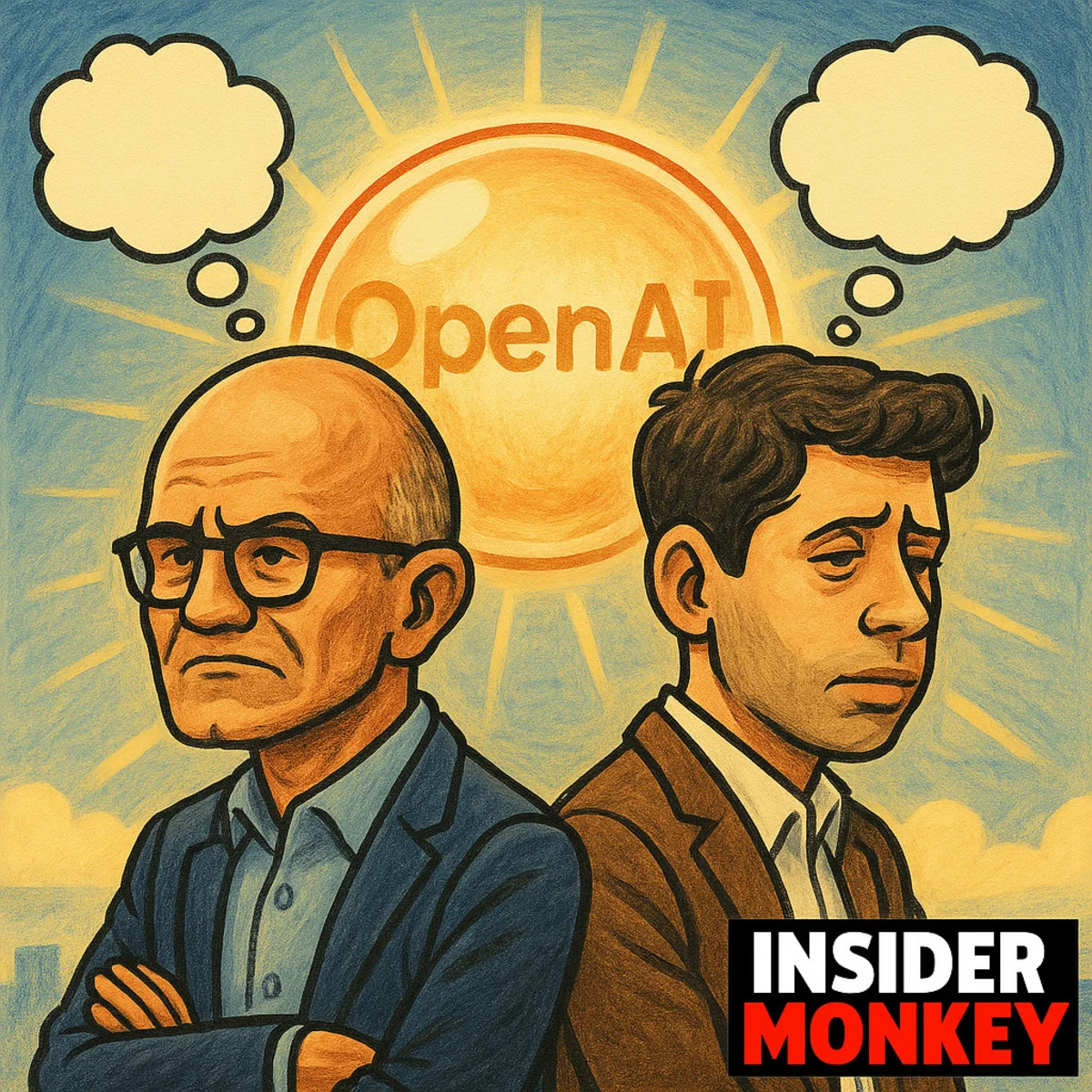
Microsoft's Azure revenue grew 43%, Microsoft Cloud revenue rose 27% to $59.3 billion, and Amazon's AWS second…
CrowdStrike trades near 177 times forward earnings and 167 times free cash flow, while Palo Alto Networks trad…

Nvidia CEO Jensen Huang called fears over AI's existential threats a "distraction" on The Ezra Klein Show, as…
Anthropic said Claude largely on its own found an unknown enzyme system, "ART," in DNA databases