What happened
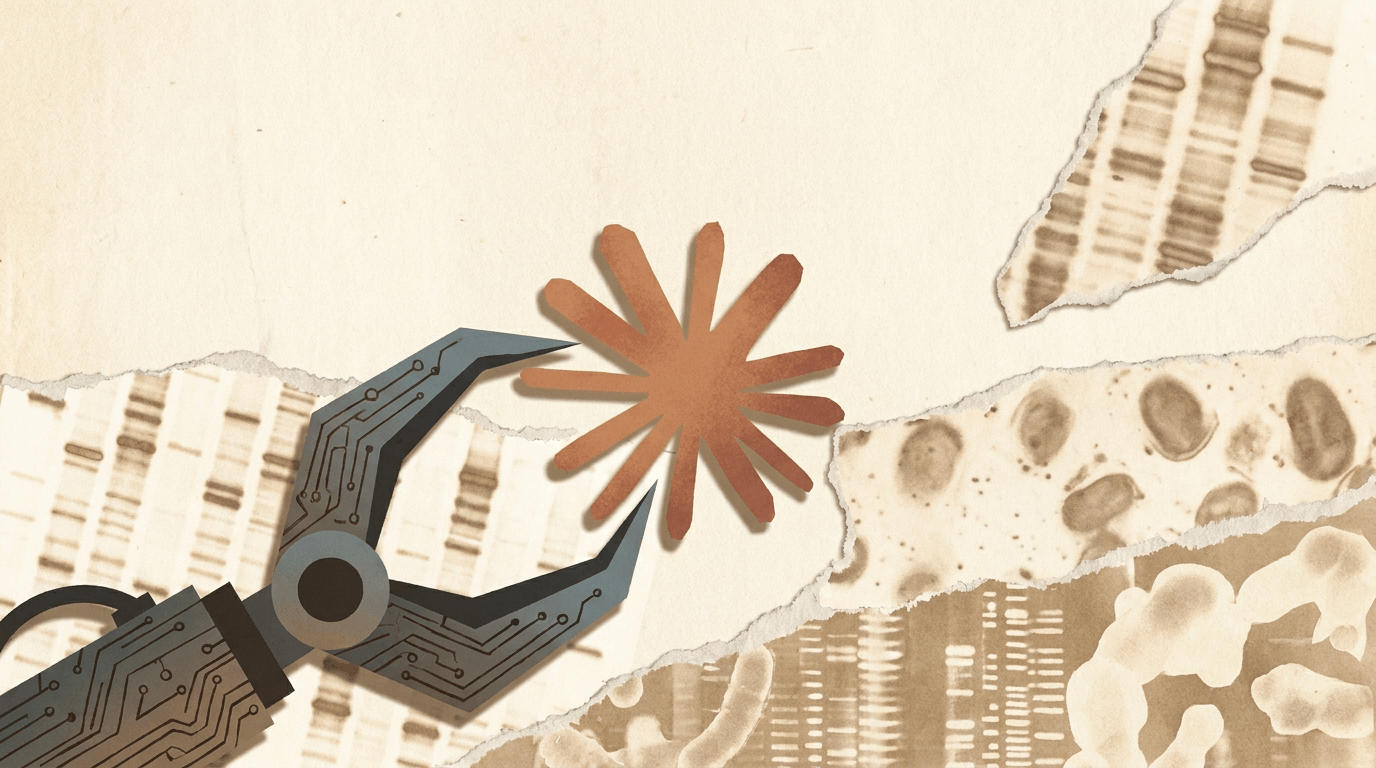
Anthropic said Claude largely on its own found an unknown enzyme system, "ART," in DNA databases. About 950 AI agents spent 21 hours scanning over 200,000 reverse transcriptases, with humans setting the question and running lab experiments.
Why it matters
The finding suggests AI could speed up early-stage genome mining, though the body does not confirm what ART does.
What to watch
CRISPR researcher Lucas Harrington says such methods date to decades ago and similar systems have been known since 2008. The test is whether Anthropic shows a function for ART, not just its existence in bacteriophages.
WHO IT HITSAI and biotech research teams that rely on genome mining to find new gene-editing tools may need to weigh AI-generated leads more carefully, since a named CRISPR researcher says the output so far is routine, not a proven discovery.
Summaries like this, in your inbox every morning.
Anthropic is not presenting the ART finding as a standalone paper but as one of the first discoveries from its Bay Area biology lab, which opened in spring 2026. The company says Claude did most of the analysis on its own, while humans set the research question and ran the lab experiments — a division of labor that places AI on the hypothesis-generating side of biology, not the bench.
The technical claim rests on scale: about 950 AI agents spent 21 hours combing through more than 200,000 reverse transcriptases. Next to one unusual enzyme, they found repeating DNA sequences. That is the signature of genome mining, a search method that Mammoth Biosciences, co-founded by Lucas Harrington, already uses to hunt for CRISPR systems.
Harrington's pushback is not that the search failed, but that finding a system is only the first step. The hard part is figuring out what a system actually does, and Anthropic has not shown that, he wrote on X. Whether ART becomes a meaningful result may hinge on whether Anthropic or others can demonstrate a function, rather than on how much of the search the AI ran.
For example, today's edition would include:
AI-summarized, only the topics you pick: one digest a day via Email, LINE, or Slack.
Free · 30 seconds with Google · unsubscribe anytimeWhat is AIToday? →
Ask AI anything about this article. The AI reads this article, earlier AIToday articles, and Wikipedia, and cites its sources. Q&As are published on this page for other readers too.
Sakana AI said Jürgen Schmidhuber is joining as chief scientific advisor and will lead its new RSI Lab, which…
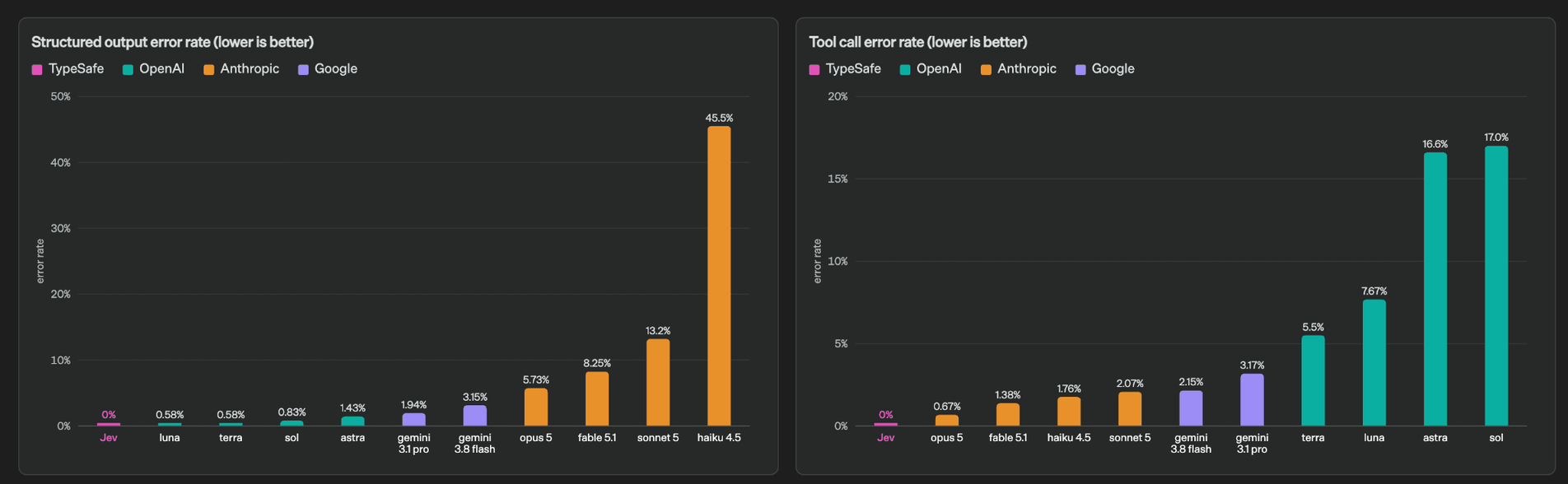
On 2026年9月15日, TypeSafe AI published System One Model and opened early access to Jev, which returns only type-…
Microsoft's Azure revenue grew 43%, Microsoft Cloud revenue rose 27% to $59.3 billion, and Amazon's AWS second…
CrowdStrike trades near 177 times forward earnings and 167 times free cash flow, while Palo Alto Networks trad…

Nvidia CEO Jensen Huang called fears over AI's existential threats a "distraction" on The Ezra Klein Show, as…
The Forecasting Research Institute found AI reached gold-medal level at the International Mathematical Olympia…