What happened
Meta's Superintelligence Lab released Muse Wonder and Muse Wonder Full, its first frontier models; Meta's testing says they match Fable 5.1 and GPT-6 Astra on benchmarks and beat them on MemoryBench.
Why it matters
Meta has avoided state-of-the-art releases OpenAI and Anthropic are known for since Alexandr Wang restructured its AI efforts in August of last year, so a frontier model marks a change in that pattern.
WHO IT HITSDevelopers who build on Meta's models through the Meta Model API are affected, since Wonder is priced per token there while the larger Wonder Full stays off the API and inside Muse Code. Muse Code subscribers appear to get the more capable model first.
Summaries like this, in your inbox every morning.
Meta has spent the time since Alexandr Wang restructured its AI efforts in August of last year on smaller releases — the lightweight Muse Spark model and the Muse agent — rather than the kind of state-of-the-art launches OpenAI and Anthropic are known for. The Wonder models change that: they are the company's first attempt at a frontier model, and Meta is presenting them as the next step on its scaling ladder.
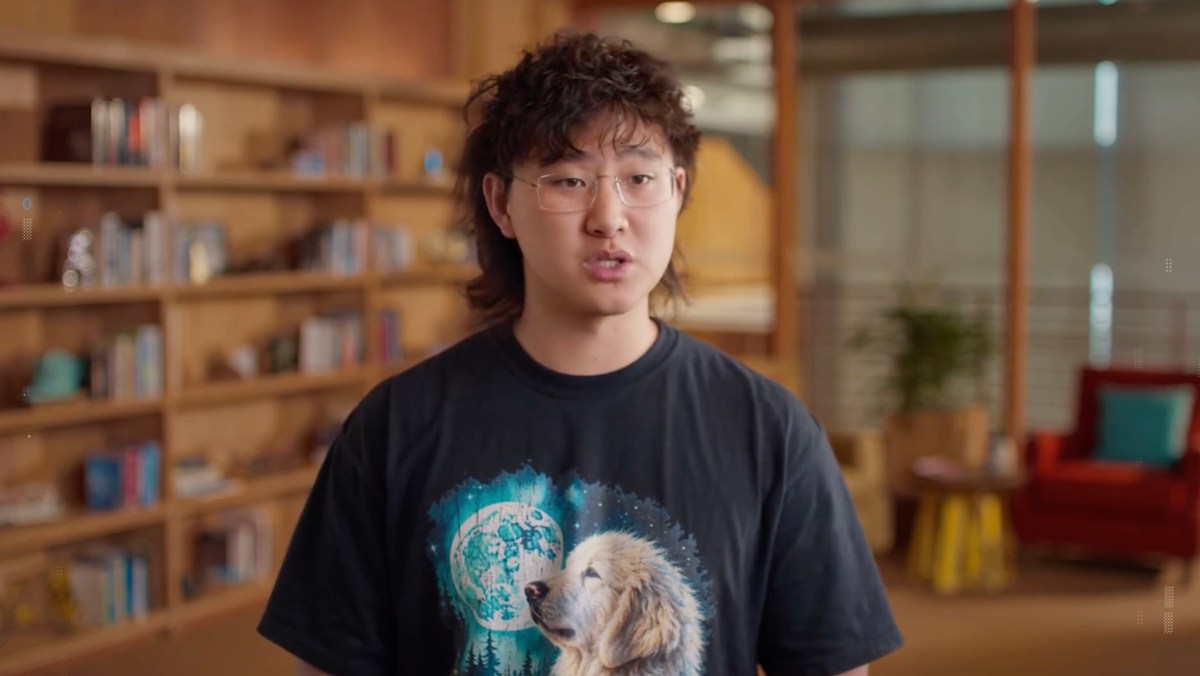
A recurring theme in the launch is memory. Meta emphasizes what it calls "active memory," the ability to retain and synthesize information a user has given over long periods, and points to the MemoryBench benchmark, where it says Muse Wonder now scores higher than Fable, Opus, or Astra. Research scientist Kavya Kopparapu framed that as deliberate work on remembering what matters to a user over days, weeks, and months. That emphasis lines up with Meta's stated interest in personal assistants that can perform tasks over a long period.
Meta's evidence for the models' overall quality comes from its own testing, presented in the model card, where it says Wonder and Wonder Full reach benchmark scores comparable to Fable 5.1 and GPT-6 Astra. The comparison stands as a claim from the company rather than an independent result, and the pricing and availability split — Wonder through the API, Wonder Full reserved for Muse Code subscribers — suggests Meta is positioning the two models differently for different users.
Pick your industry and the AI tools you use, and get news related to your work every day.
Free · 30 seconds with Google · unsubscribe anytimeWhat is AIToday? →
Ask AI anything about this article. The AI reads this article, earlier AIToday articles, and Wikipedia, and cites its sources. Q&As are published on this page for other readers too.
Cisco and Nvidia are partnering on a new generation of optical networking technology designed for the explodin…
Anthropic announced dynamic workflows, a new multi-agent feature in Claude Console where the lead agent writes…
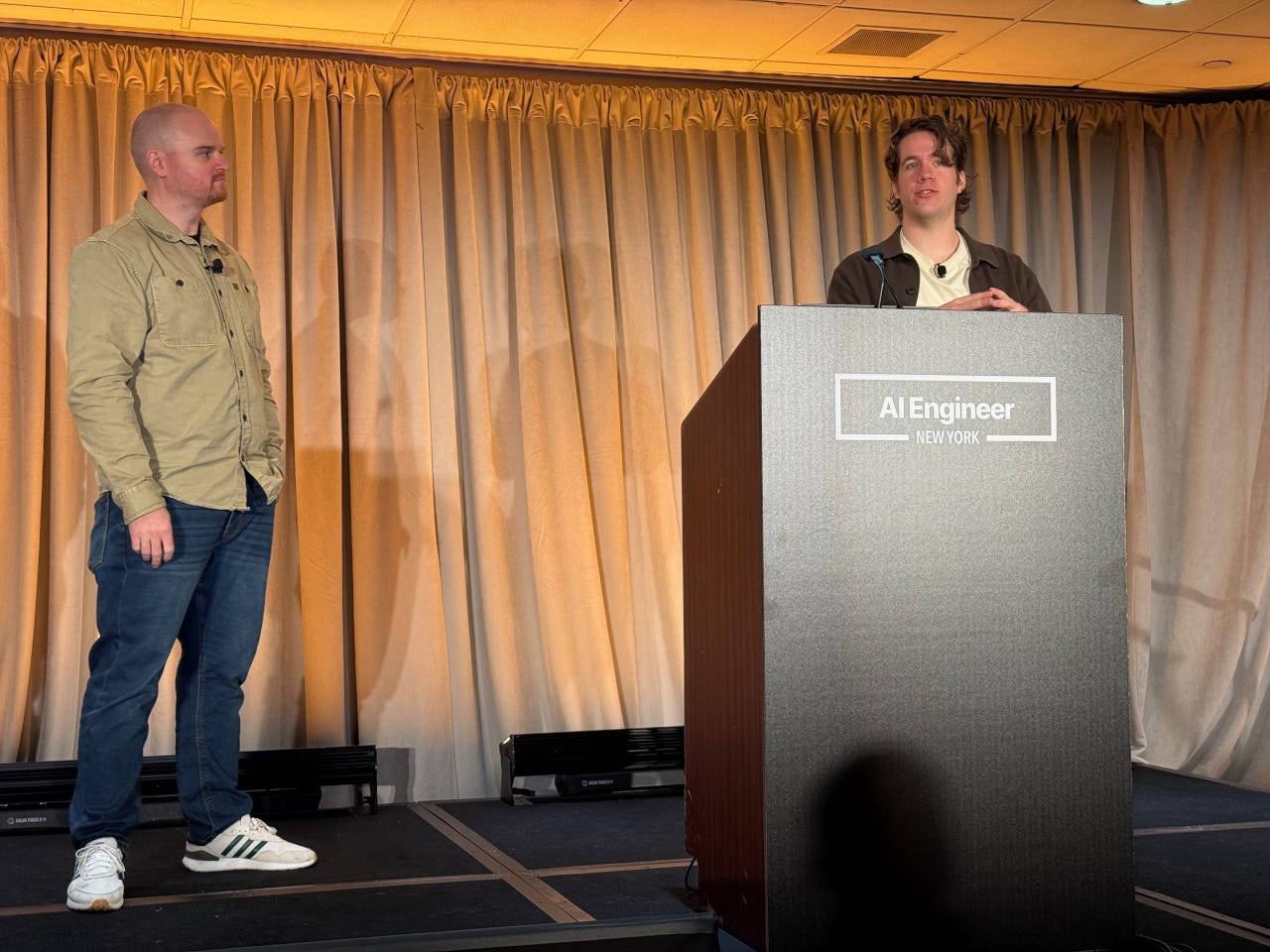
Meta released Muse Wonder in two variants
Microsoft Research found eight runs of the same AI research agent on one task plateaued at different levels, w…
Sakana AI and UC Berkeley's MASS method let one model solve tasks, judge results, and rewrite its own workflow…
GitHub published the latest installment of its GitHub Copilot app for Beginners series, outlining four ways to…