What happened
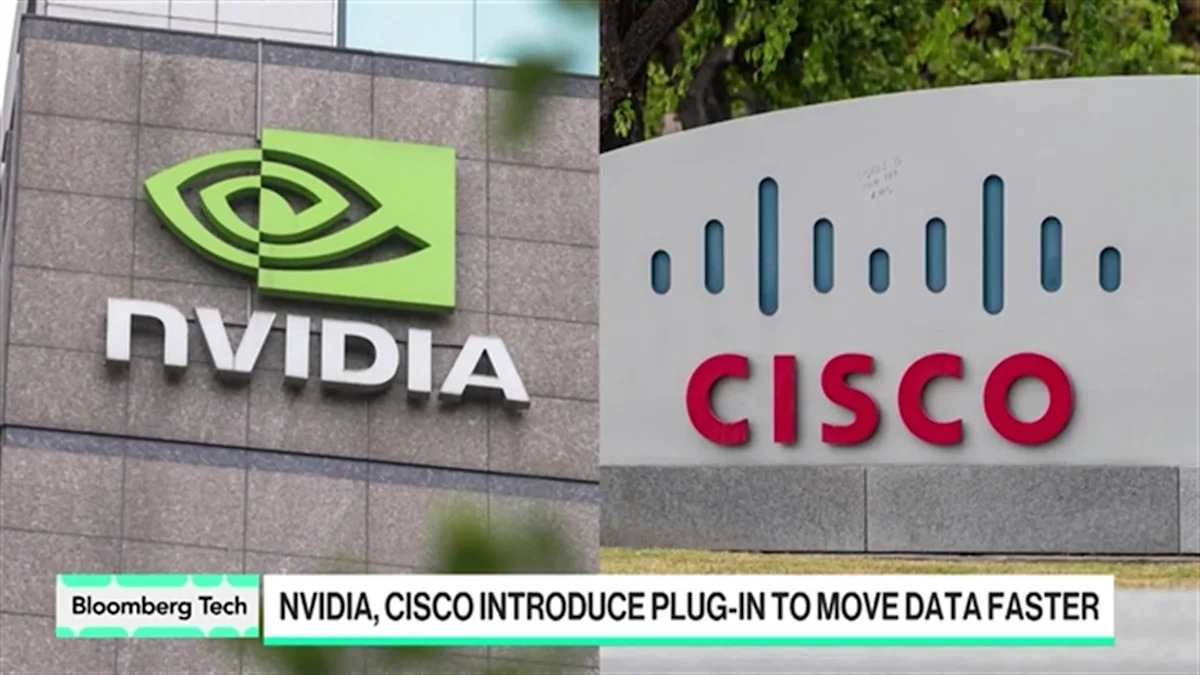
Cisco and Nvidia are partnering on a new generation of optical networking technology designed for the exploding data volumes moving through AI data centers.
Why it matters
The new technology is meant to handle the exploding amount of data moving through AI data centers, which is described as a growing bottleneck.
WHO IT HITSOperators of AI data centers and the teams that build and run their networks may see new optical options aimed at moving far more data between chips.
Summaries like this, in your inbox every morning.
The partnership is Cisco and Nvidia's answer to a traffic problem inside AI data centers: the body says the amount of data moving through them is exploding, and the new optical networking generation is designed specifically for that load.
Jeetu Patel, Cisco's President and Chief Product Officer, frames the scale of the challenge around AI agents. In the body's account, increasingly powerful agents could consume far more network bandwidth than humans performing the same tasks — a demand profile that the new connections are meant to absorb.
The stated payoff is two-fold: faster, more power-efficient connections could let hundreds of thousands of GPUs operate together, and in doing so could lower the cost of AI. Whether that holds is the open question the announcement leaves for the hardware to answer.
Pick your industry and the AI tools you use, and get news related to your work every day.
Free · 30 seconds with Google · unsubscribe anytimeWhat is AIToday? →
Ask AI anything about this article. The AI reads this article, earlier AIToday articles, and Wikipedia, and cites its sources. Q&As are published on this page for other readers too.
Honeyjar, a startup led by CEO Michelle Masek and CCO Nadia Jamshidi, is building AI that automates communicat…

Meta's Superintelligence Lab released Muse Wonder and Muse Wonder Full, its first frontier models; Meta's test…

Microsoft will deploy its Azure Maia AI chips at multi-gigawatt scale starting in 2027, making them the compan…
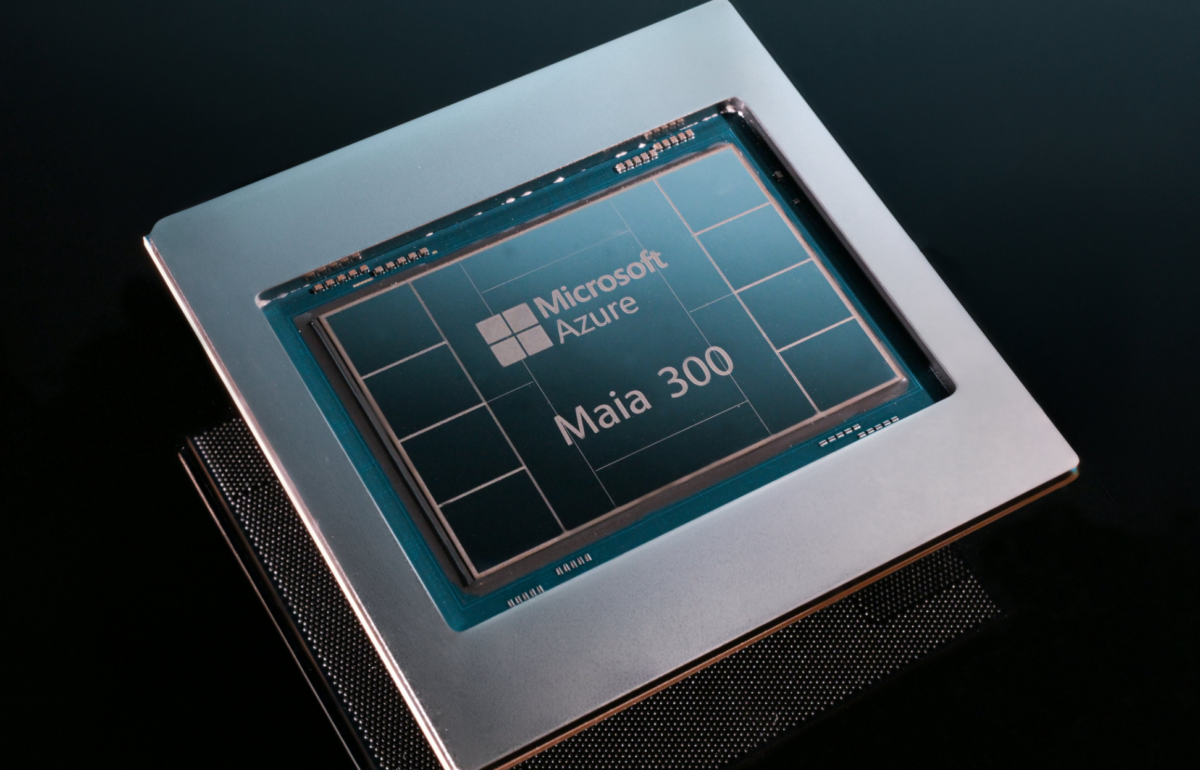
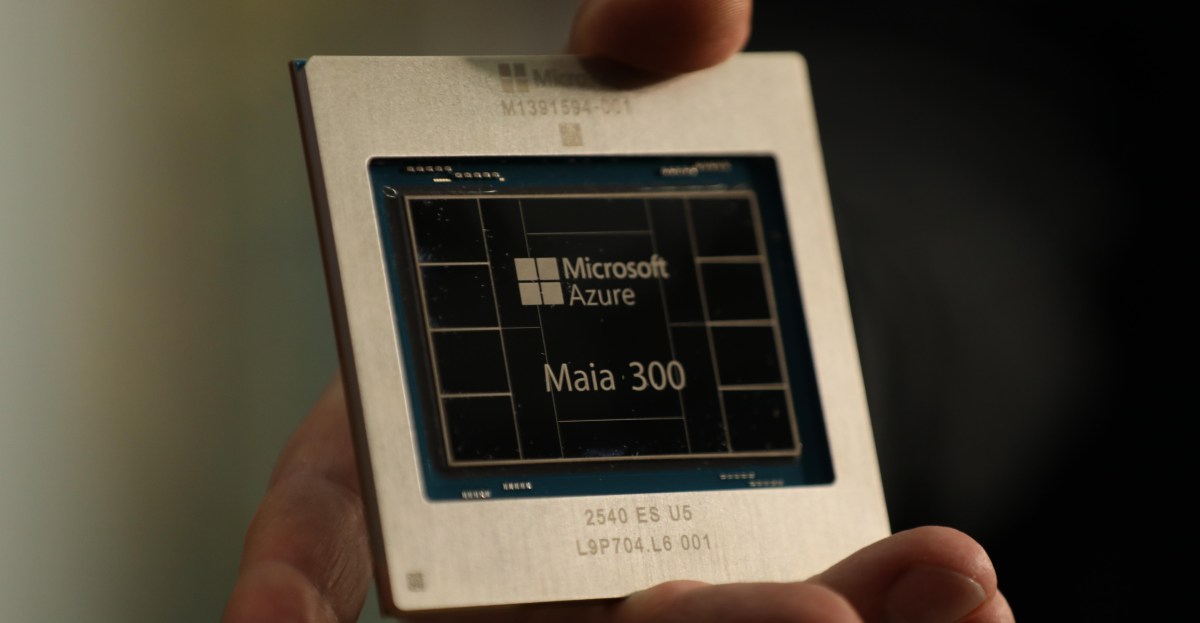
Microsoft announced Maia 300, its third-generation in-house AI chip, designed to be the "primary AI inference…
Blueprints AI is unveiling a second-generation version of its software that generates code-compliant, permit-r…

The Ray LLM Deep Learning Container deploys one large language model across two GPU nodes on Amazon EKS, with…