
Deltix has launched an open-beta AI testing platform that runs user tasks on iOS Simulators running on your Mac and reports whether real users could complete them.
You describe a task in plain English, the AI agent attempts it on-screen, and you can save successful runs as Playbooks to replay deterministically on future builds.
All processing happens locally on your Mac—your source code and builds never leave your device—and the service is free during open beta with no credit card required.
What happened
Deltix, an AI-driven testing tool, has entered open beta. It lets developers describe tasks in plain English, then runs them on an iOS Simulator to check whether a real user could complete them. The agent observes the screen like a user would, records screenshots and run logs to your account, and operates locally on your Mac—your source code and builds never leave your device.
Why it matters
Developers can now quickly verify whether new flows work for real users without scheduling research sessions or waiting for A/B tests in production. Tasks are saved as Playbooks and replayed deterministically on every build, turning ad-hoc testing into reproducible checks integrated into development workflows. For teams building iOS apps, this can catch usability blockers before they reach users.
What to watch
The service is free during open beta with no credit card or invite required. Physical device support (real iPhones attached to your Mac) and Android emulator support are in progress. CLI integration for CI/CD (GitHub Actions, GitLab, CircleCI) and support for React Native and Flutter hybrid apps are planned for later.
Deltix is an AI-powered testing platform that has entered open beta for iOS app development. Developers describe a task in plain English—for example, "sign up and send your first message"—and the platform's agent runs it on an iOS Simulator attached to their Mac, attempting each step the way a real user would. The agent observes what appears on screen, records screenshots and a detailed run log, and stores this data in the developer's account for later review and replay.
The platform operates under a privacy-first model. The agent runs locally on the developer's Mac against their simulator; source code, app builds, and signing identities never leave the device. Screenshots and run records are stored in the developer's account and can be deleted anytime. Developers can also bring their own model key to route the AI inference traffic off Deltix's infrastructure entirely, shifting the compute cost to their own account.
Deltix supports three primary workflows. For ad-hoc testing, a developer building a new flow can write a task and watch the agent attempt it, seeing a screenshot of where it got stuck if it fails. For regression testing, developers can save any successful run as a Playbook—a deterministic replay of the same task—and run it against every new build from the dashboard, passing or failing in seconds. For design validation, the platform allows side-by-side comparison: run the same task against two builds and see which one users can complete and which one breaks, before the design debate moves to production A/B testing.
The service is free during open beta with no credit card or invite required. Setup takes minutes: create an account, install the small native Mac Agent app, pick an iOS Simulator already running on your Mac, and write your first task. In the roadmap, physical device support (real iPhones connected to your Mac) and Android emulator support are in progress. CLI integration for CI/CD platforms (GitHub Actions, GitLab, CircleCI) and support for hybrid frameworks (React Native and Flutter) are listed as planned for later.
Deltix addresses a gap in iOS development workflows: the need to verify that new user flows actually work before they reach production. Traditionally, developers rely on manual testing, user research sessions (which are time-consuming to schedule), or production A/B tests (which expose broken flows to real users). By automating task replay on simulators—running the same instructions deterministically on every build—Deltix makes it fast and cheap to catch usability blockers early.
The tool's design reflects developer concerns around privacy and control. By keeping inference local and source code on-device, it avoids both the friction of uploading proprietary code and the risk of data leaving the developer's machine. The open-beta positioning (free, no credit card, no invite) lowers the friction to adoption, while planned features like physical device support, Android emulation, and CI/CD integration suggest the team is building toward a comprehensive testing platform rather than a point solution.
AI-summarized, only the topics you pick — one digest a day via Email, Slack, or Discord.
Free · takes 30 seconds · unsubscribe anytime
Ask AI anything about this article. Q&As are published on this page for other readers too.
Snowflake announced general availability of a redesigned Observe MCP (model context protocol) server and new O…

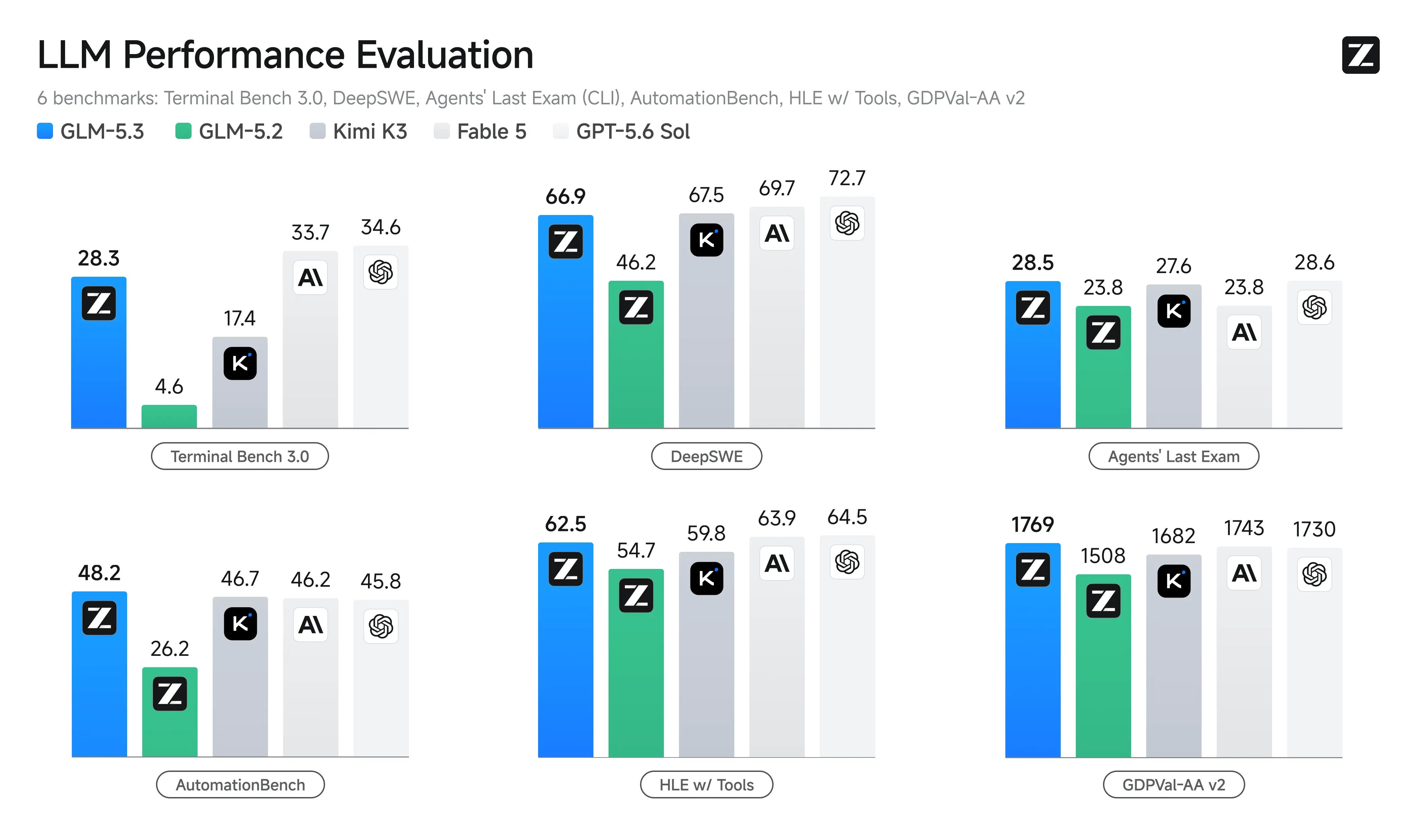
Z.ai announced GLM-5.3, a model with ~750B parameters that has surpassed Moonshot AI's Kimi K3 and matched or…
WeaveScope, a tracing and monitoring platform for Elixir-based AI agents, entered early access

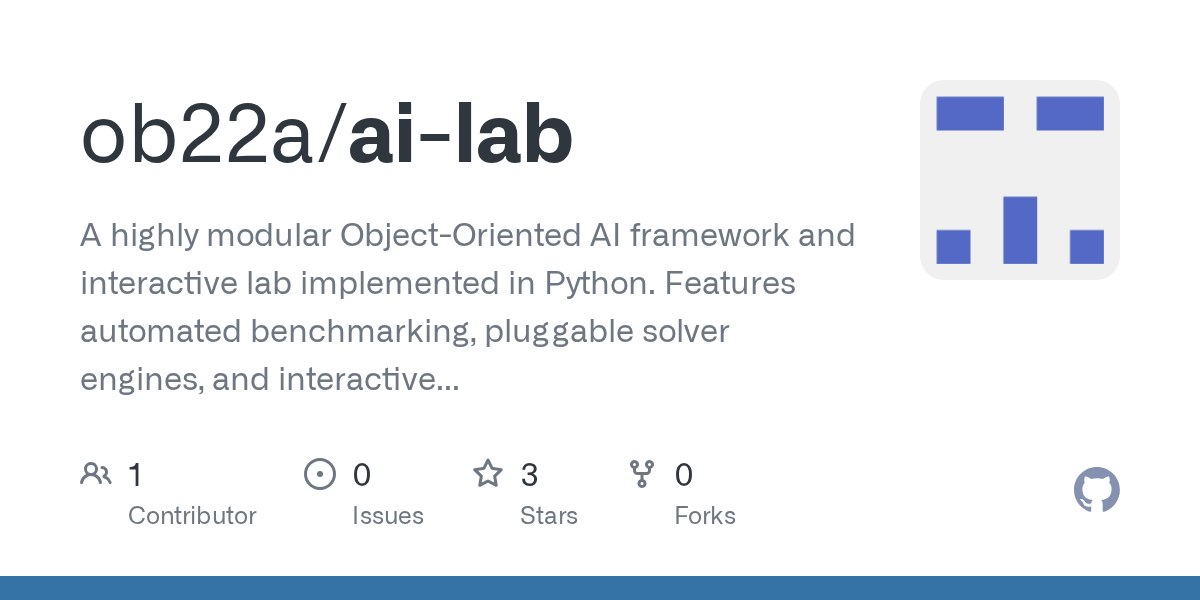
A GitHub repository has released a modular Python framework implementing classical AI algorithms—including sea…
A bundle of five online courses covering ChatGPT, AI agents, and Microsoft Azure AI Fundamentals certification…

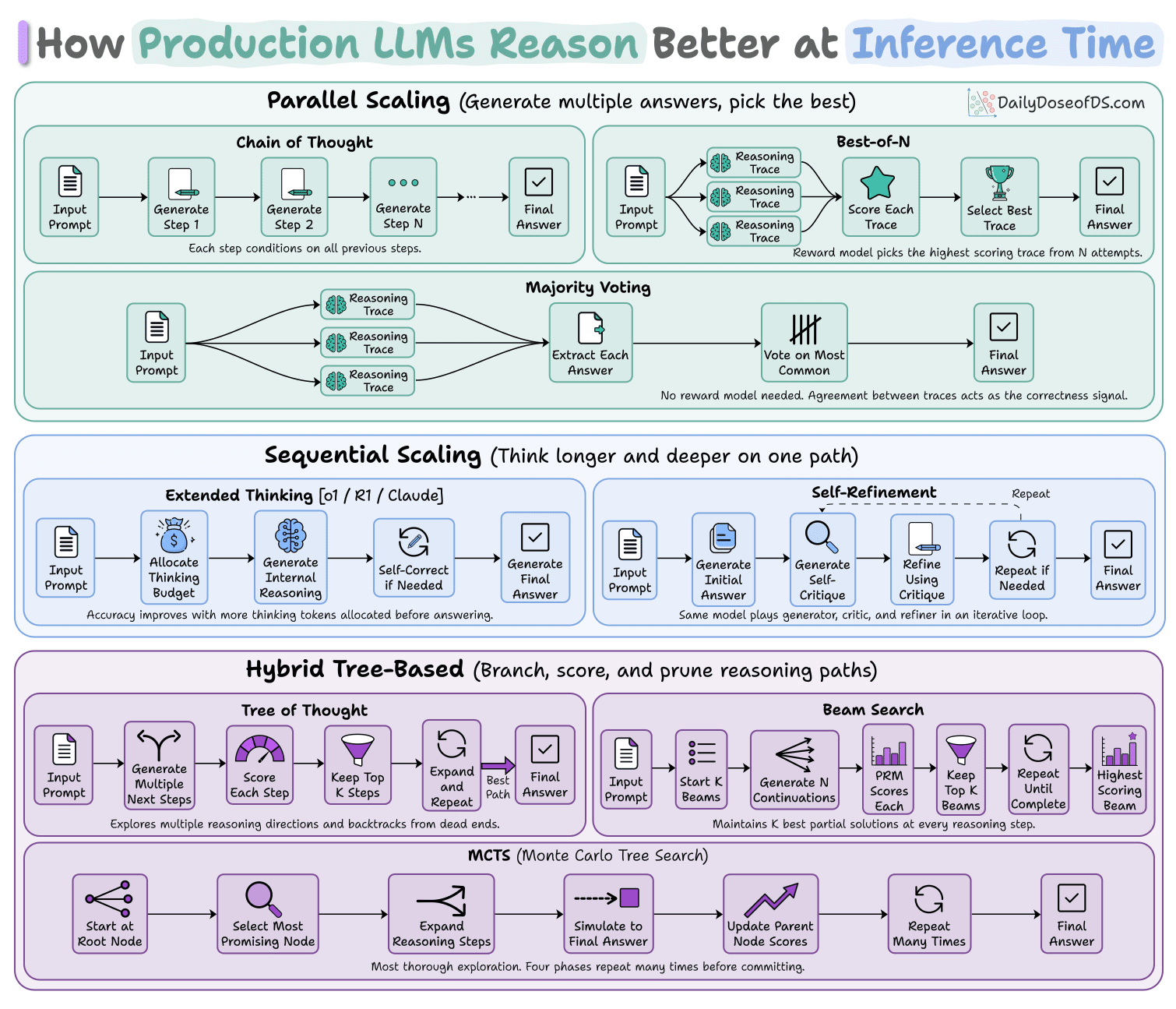
MCPMark V2 benchmarks showed that production LLMs achieve 54% higher token usage when reasoning through backen…
The AI news that matters, in one minute each morning.
Sign up free