What happened
ByteDance founder reportedly forbade AI researchers from distilling rival models, a policy dating to 2023, according to the Pekingnology newsletter. The restriction has sparked internal debate at the company.
Why it matters
Distillation—extracting knowledge from larger AI models to build smaller ones—has become a flashpoint between Washington and Beijing. The policy reflects ByteDance's position in a competitive landscape where smaller Chinese labs have begun surpassing its best models, even as Beijing pushes for better AI using less computing power. The US currently offers better-value models, though convergence is likely to continue.
What to watch
ByteDance is not among the firms Anthropic has publicly accused of distilling, distinguishing it from companies that have faced US sanction threats over the practice.
Summaries like this, in your inbox every morning.
The distillation ban reveals the mounting pressures on Chinese AI makers caught between Beijing's demand for efficient, domestically-built models and the reality that smaller competitors have begun outpacing ByteDance's own systems. Model distillation—the practice of compressing knowledge from larger AI models into smaller, faster versions—has emerged as a lightning rod in US-China AI competition, with Washington viewing it as a potential workaround to export controls. ByteDance's 2023 decision to forbid the practice internally suggests the company anticipated the geopolitical risks years before distillation became a flashpoint for sanction threats. The policy's timing, the newsletter notes, predates the period when "avoiding US retaliation" became an explicit commercial priority, hinting that ByteDance may have had other competitive or strategic reasons for the restriction. That the rule has sparked intense internal debate points to a deeper tension: while ByteDance aims to comply with implicit US pressure, the company's AI ambitions are being outpaced by smaller, faster-moving domestic rivals, even without distillation. US models currently deliver better value, but the gap is narrowing as Chinese labs innovate under resource constraints.
For example, today's edition would include:
AI-summarized, only the topics you pick: one digest a day via Email, LINE, or Slack.
Free · 30 seconds with Google · unsubscribe anytimeWhat is AIToday? →
Ask AI anything about this article. The AI reads this article, earlier AIToday articles, and Wikipedia, and cites its sources. Q&As are published on this page for other readers too.
Kalkine Media reports that Home Depot (NYSE:HD) is introducing an AI assistant for its retail operations

Daniel Roher's Netflix documentary 'The AI Doc: Or How I Became an Apocaloptimist' presents both AI safety exp…
NVIDIA announced the NVIDIA Open Agent Safety Platform, an open software platform and reference design to secu…
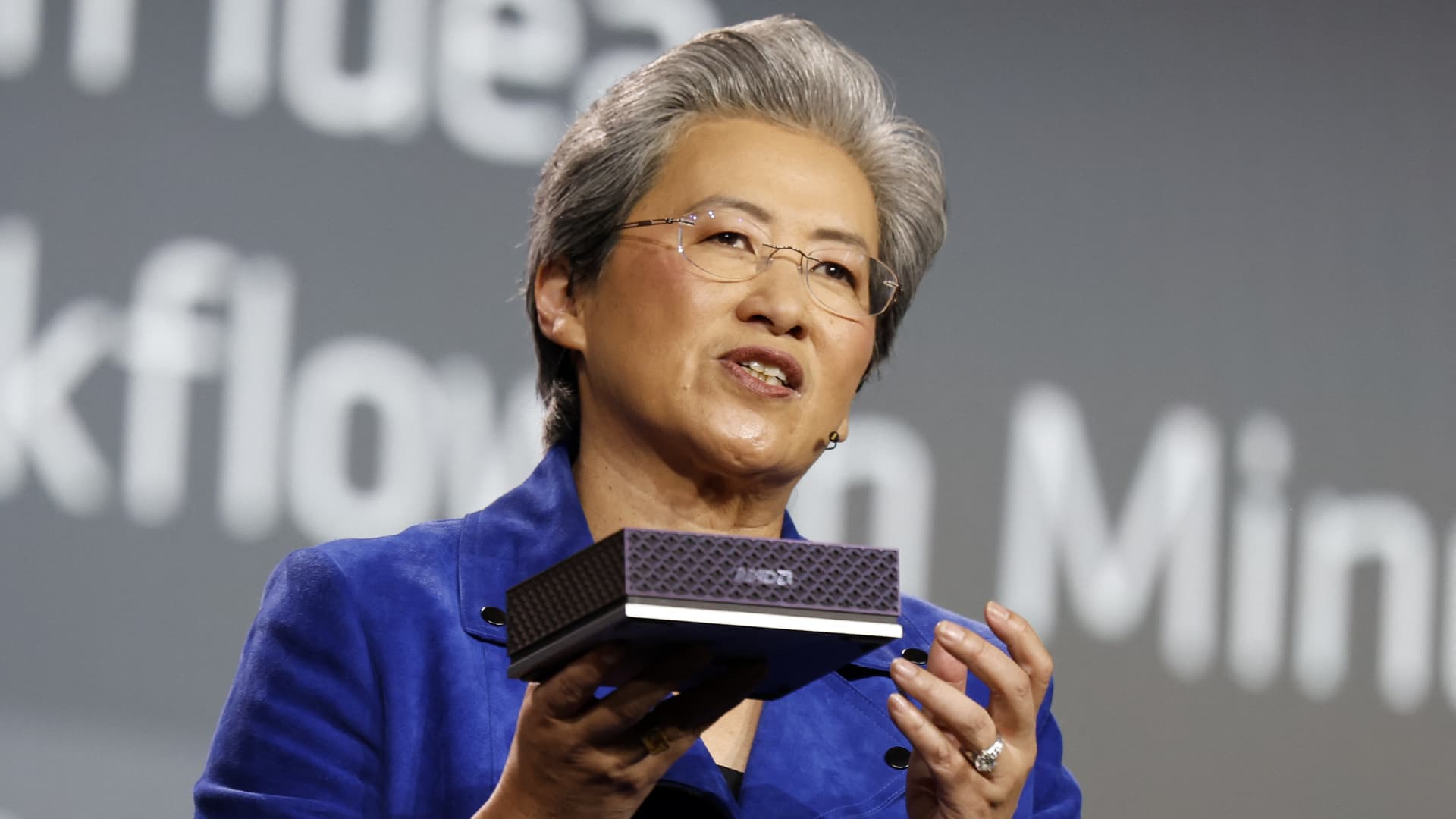
AMD said Monday it agreed to acquire World Labs, Fei-Fei Li's San Francisco AI lab, for about $8.2 billion in…
Bank of America announced Payments Insights, a new CashPro capability that analyzes payment efficiency, cross-…
NVIDIA announced its NVIDIA Open Agent Safety Platform, combining OpenShell open-source software for secure ag…