What happened
Automation is cutting shipping costs in fulfillment and last-mile delivery. AutoStore's Spring 2026 update applied over 20 proprietary models to optimize robot movement and throughput without adding hardware; Starship Technologies announced its 10 millionth autonomous delivery in April 2026 and claims autonomous delivery runs $3 to $4 cheaper than rider-based models with a long-term target near $1 per delivery. Locus Robotics lifted HelloFresh's chilled fulfillment capacity fivefold (from 100 SKUs to 500) with cold-storage hardware modifications.
Why it matters
ABI Research attributes approximately half of all shipping costs to the final mile, making warehouse throughput and delivery sequencing decisive for per-order profitability. Most direct-to-consumer brands outsource fulfillment entirely and inherit their partner's technology stack—so the 3PL choice matters more than any individual robot. Providers like GoBolt operate 12 strategically located warehouses across North America and handle fulfillment, last-mile, and cross-border under one relationship for shippers doing 3,000 or more orders a month, letting Canadian brands inject orders directly into US sort facilities to use Section 321 and reduce import duties.
What to watch
Flowspace publishes the lowest stated floor at 1,000 orders per month, while GoBolt requires 3,000 monthly orders minimum. GoBolt publishes a single rate card with no fuel surcharge and reports EV delivery percentages typically between 40 and 60 percent monthly on its sustainability page. Starship operates more than 3,000 robots across 300-plus locations in eight countries and has travelled over 22 million autonomous kilometers, completing roughly 125,000 road crossings a day at Level 4 autonomy.
Summaries like this, in your inbox every morning.
Last-mile delivery has long been the margin pressure point in direct-to-consumer shipping. ABI Research attributes approximately half of all shipping costs to the final mile, which means warehouse throughput, route density, and delivery sequencing determine per-order profitability. Rather than build their own automation, most brands outsource fulfillment entirely and inherit a 3PL partner's technology stack—so the provider decision carries far more weight than any single robot purchase.
The automation shift is moving from hardware density to software coordination. AutoStore's Spring 2026 update exemplifies this: its new intelligence layer applies over 20 proprietary models to live operational data and optimizes robot movement through CubeControl to clear congestion and raise peak throughput without adding robots or expanding the grid. The gain comes from sequencing rather from capital expenditure, which is the distinction between a working deployment and an expensive one. In the cold chain, Locus Robotics lifted HelloFresh's chilled fulfillment capacity fivefold (from 100 SKUs to 500) by adding cold-storage hardware modifications, then HelloFresh deployed 13 Locus Origin robots for its Factor brand in July 2025 and added 26 more within three months, with mission times averaging 3 minutes 36 seconds across roughly 12,000 square feet at its Phoenix facility.
Autonomous last-mile delivery is scaling past pilot stage. Starship Technologies announced its 10 millionth autonomous delivery in April 2026, operates more than 3,000 robots across 300-plus locations in eight countries, has travelled over 22 million autonomous kilometers, and completes roughly 125,000 road crossings a day at Level 4 autonomy. Starship claims autonomous delivery already runs $3 to $4 cheaper than rider-based models with a long-term target near $1 per delivery. The body attributes the gains to route planning—well-sequenced routes drive on-time performance and lower cost per stop, which is why planning software usually matters more than the vehicle itself.
Pick your industry and the AI tools you use, and get news related to your work every day.
Free · 30 seconds with Google · unsubscribe anytimeWhat is AIToday? →
Ask AI anything about this article. The AI reads this article, earlier AIToday articles, and Wikipedia, and cites its sources. Q&As are published on this page for other readers too.
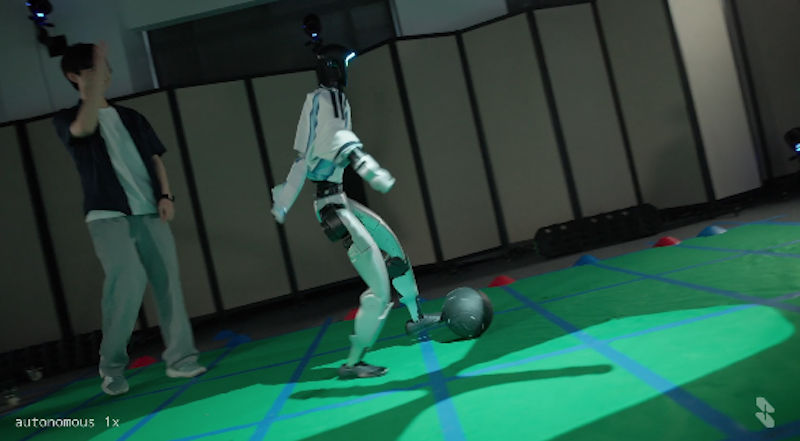
Skild AI used Nvidia Isaac Sim to give its S1 model one objective — score a goal — and let it compete against…
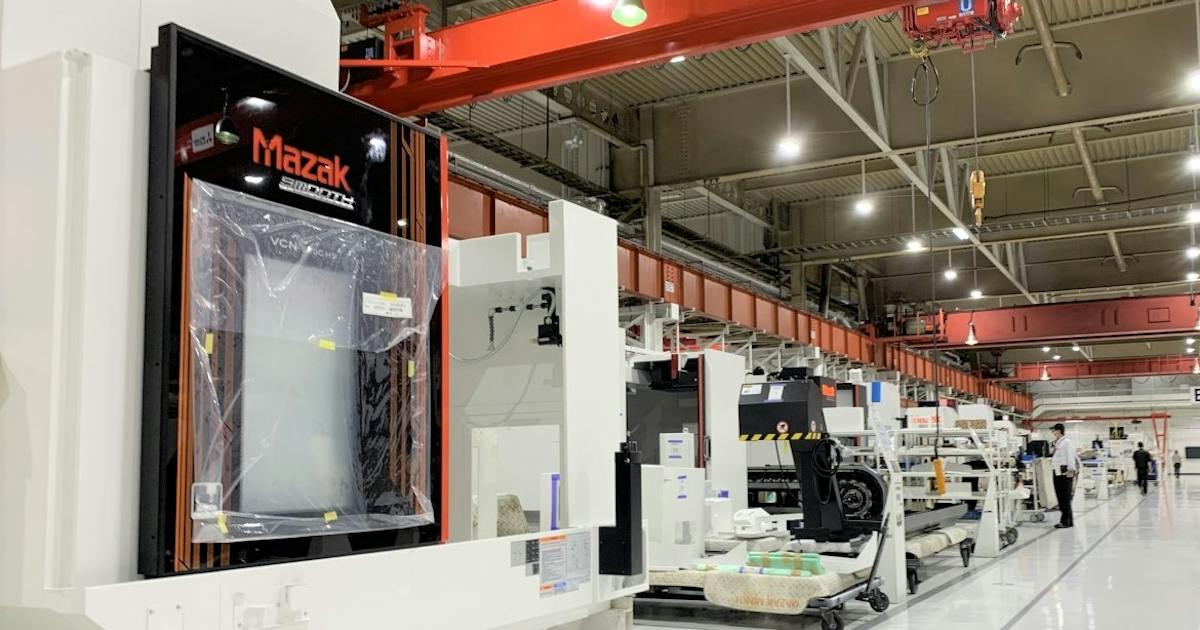
Yamazaki Mazak and ABEJA said on the 16th they will start joint development of physical AI, using ABEJA's ABEJ…
Toyota Motor's Japan Mobility Show Bizweek 2026 booth centers on its AI basketball robot CUE7, has no other ex…
Japan Mobility Show Bizweek 2026 showcased Physical AI applications, including Toyota's basketball-playing rob…
Google pitched Gemini 4 Argon as one model for robot control, simulation and training-data review, saying it s…
Researcher Sammy Azdoufal discovered Energize Lab's Eiliko robot stores 13 million conversations from 68,000 t…