What happened
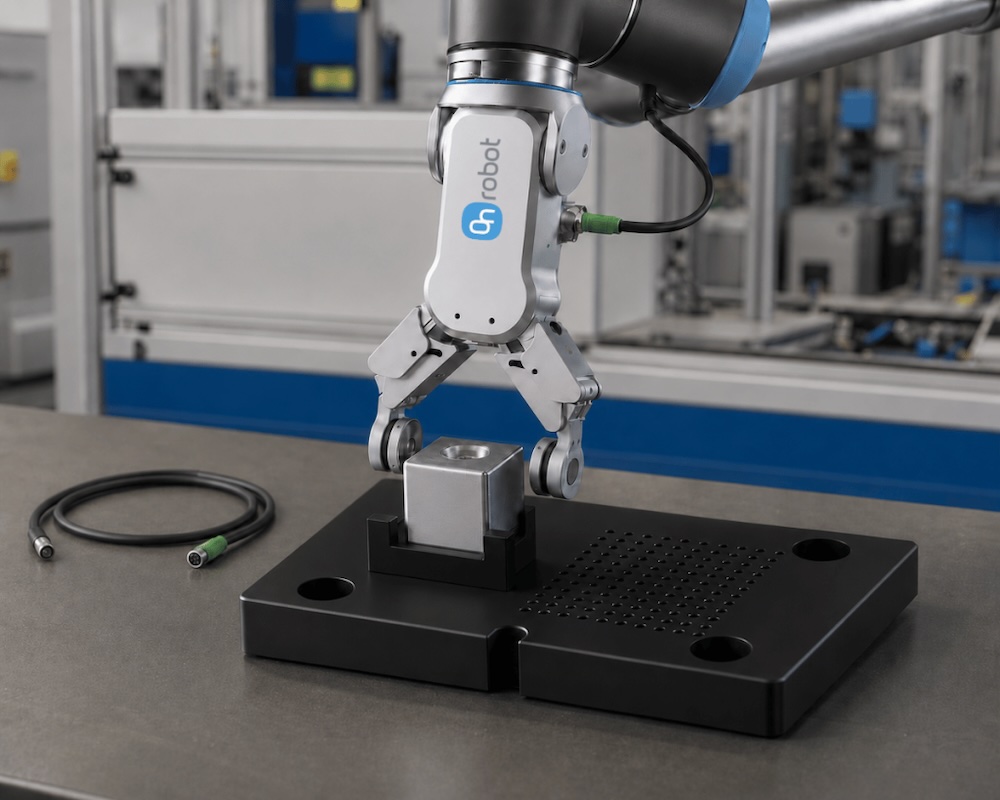
OnRobot's Thomas Houden argues that grippers and end-of-arm tooling (EOAT), the hardware robots use to grasp objects, are critical to making physical AI work in the real world.
Why it matters
Intelligent models can generate actions, but grippers must execute them reliably—handling variation, providing feedback, and complementing simulation and vision. Without this, a model's intelligence has limited practical value.
What to watch
OnRobot's RG2-FT gripper, which combines gripping with built-in force/torque and proximity sensing, exemplifies the multimodal feedback needed for delicate handling and manipulation under uncertainty.
Summaries like this, in your inbox every morning.
The article positions end-of-arm tooling as a linchpin for physical AI, which promises robots that can adapt with less task-specific engineering. It argues that while models, simulation, and vision are essential, they are insufficient without a reliable execution layer. For instance, a grasp that works in simulation may fail in practice due to real-world variability, highlighting the need for physical feedback like force and proximity sensing.
OnRobot's role as a provider of such tools, exemplified by the RG2-FT gripper, suggests a commercial stake in this narrative. The article emphasizes that general-purpose robots still need a portfolio of end-effectors—2-finger, 3-finger, vacuum, and magnetic tools—to handle diverse tasks, implying that hardware flexibility is as important as software flexibility.
The piece is authored by OnRobot's Director of Global Business Development, so it blends technical argument with a promotional angle. Still, it underscores a growing consensus that physical AI's next phase will depend on both stronger models and more capable hardware, making end-of-arm tools integral to learning systems rather than afterthoughts.
Pick your industry and the AI tools you use, and get news related to your work every day.
Free · 30 seconds with Google · unsubscribe anytimeWhat is AIToday? →
Ask AI anything about this article. The AI reads this article, earlier AIToday articles, and Wikipedia, and cites its sources. Q&As are published on this page for other readers too.
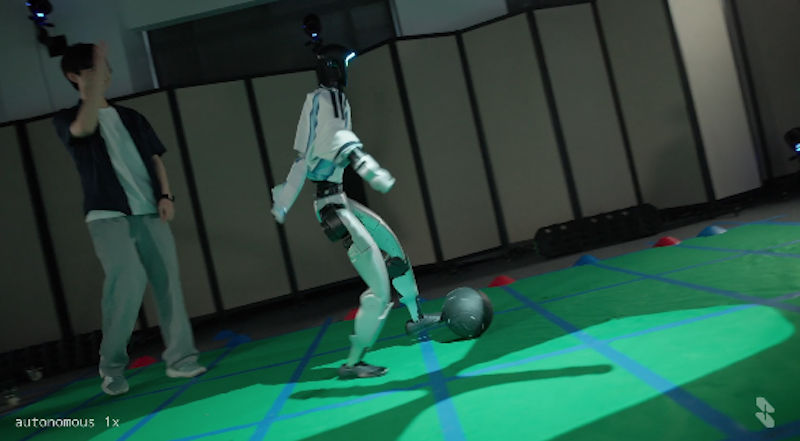
Skild AI used Nvidia Isaac Sim to give its S1 model one objective — score a goal — and let it compete against…
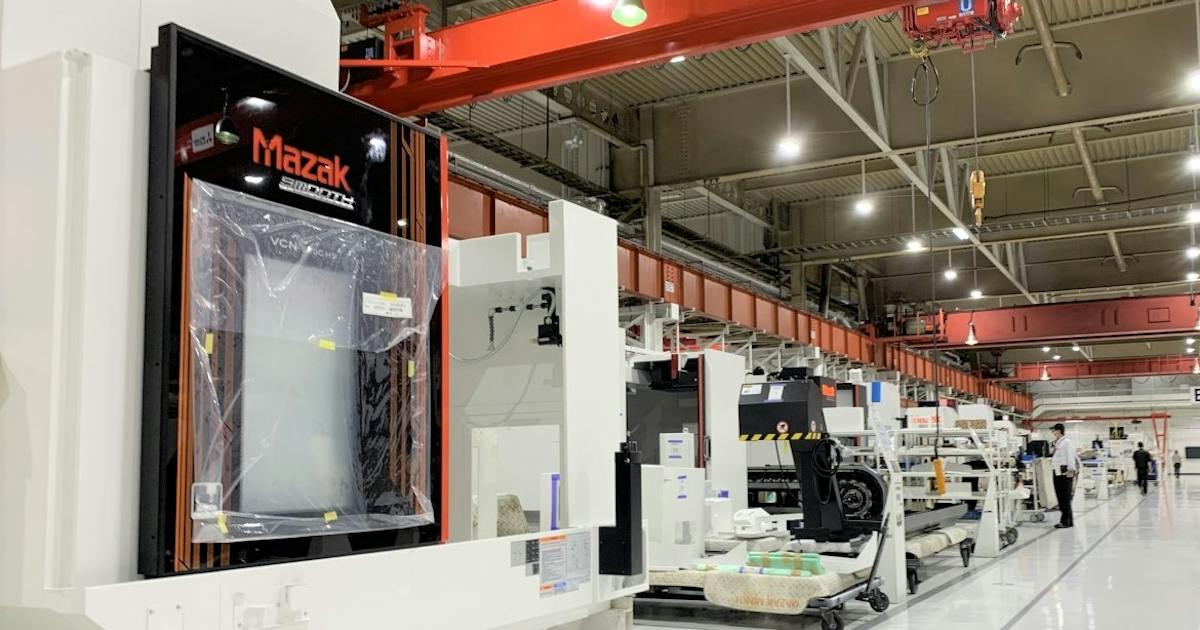
Yamazaki Mazak and ABEJA said on the 16th they will start joint development of physical AI, using ABEJA's ABEJ…
Toyota Motor's Japan Mobility Show Bizweek 2026 booth centers on its AI basketball robot CUE7, has no other ex…
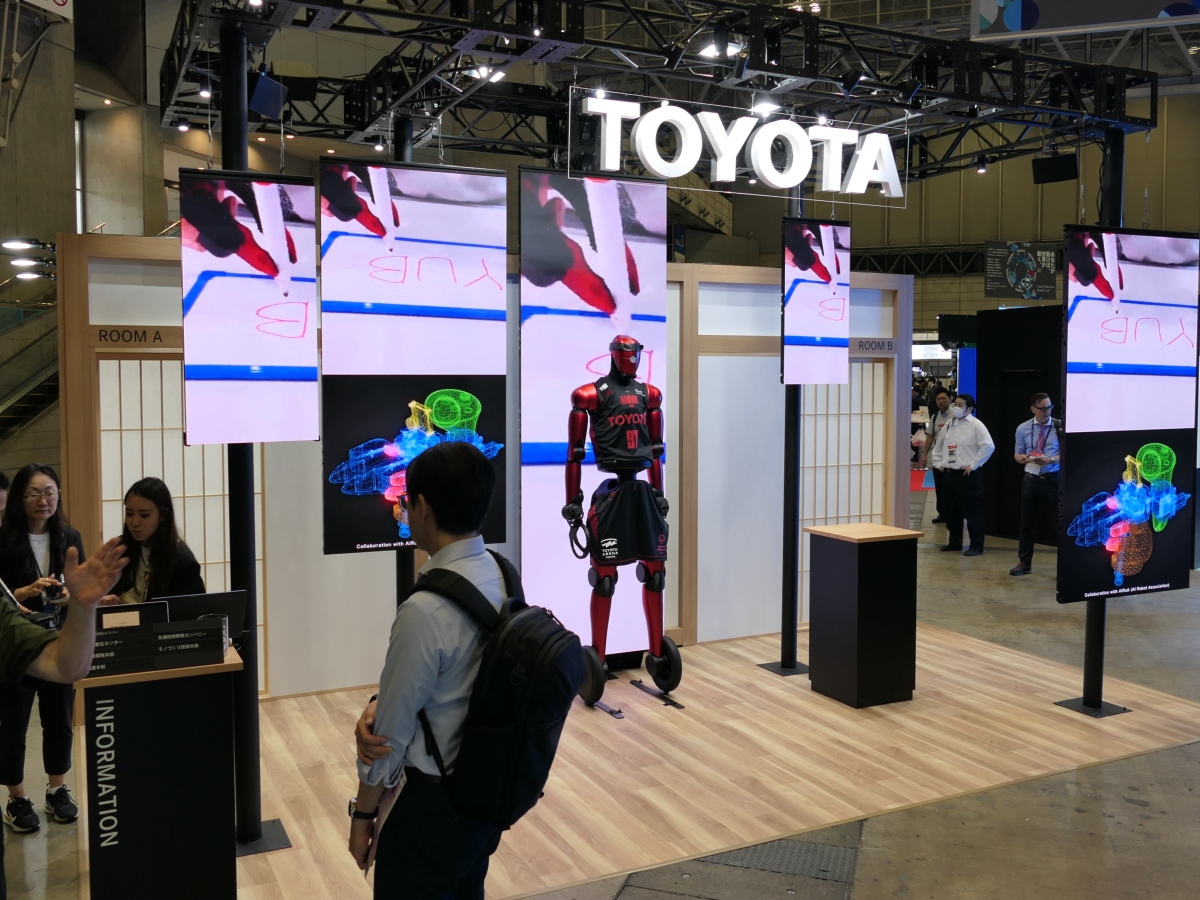
Japan Mobility Show Bizweek 2026 showcased Physical AI applications, including Toyota's basketball-playing rob…
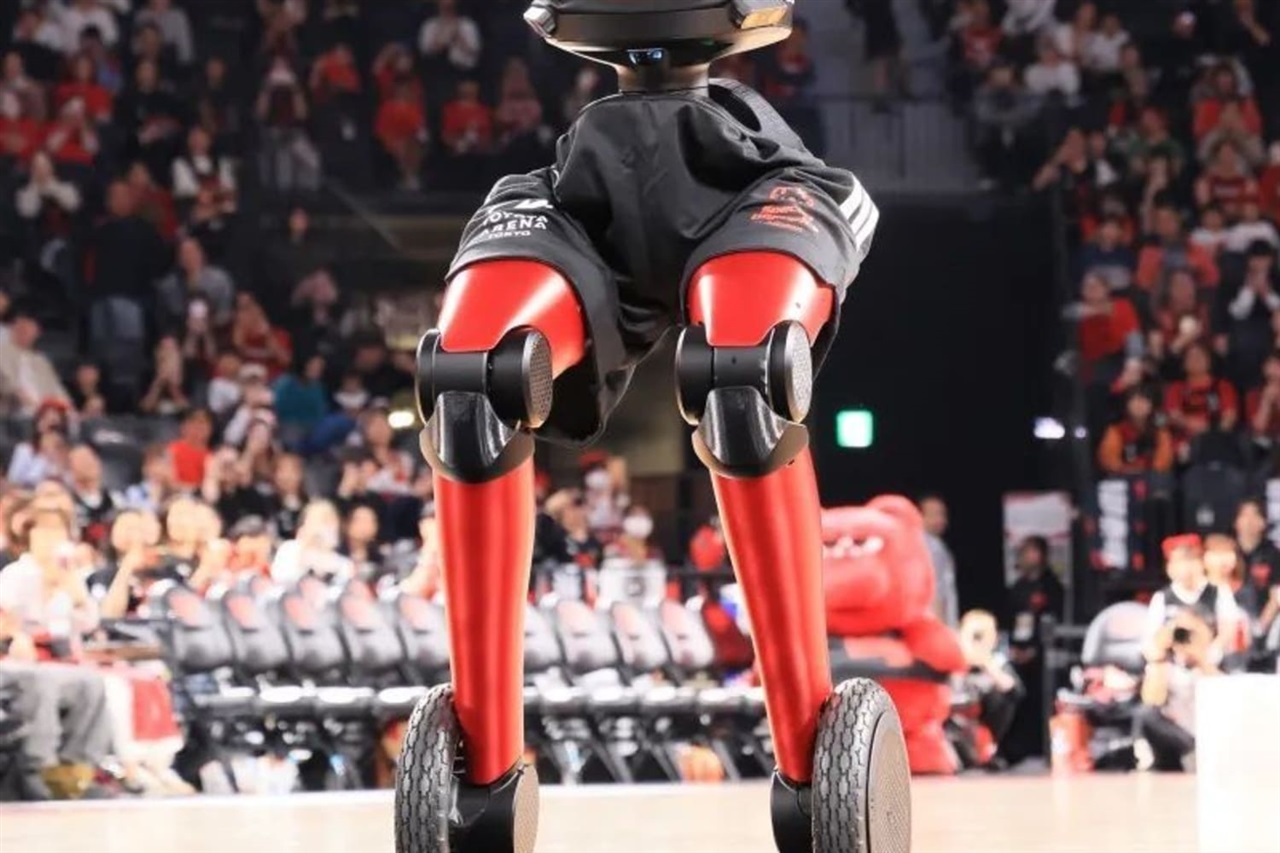
Google pitched Gemini 4 Argon as one model for robot control, simulation and training-data review, saying it s…
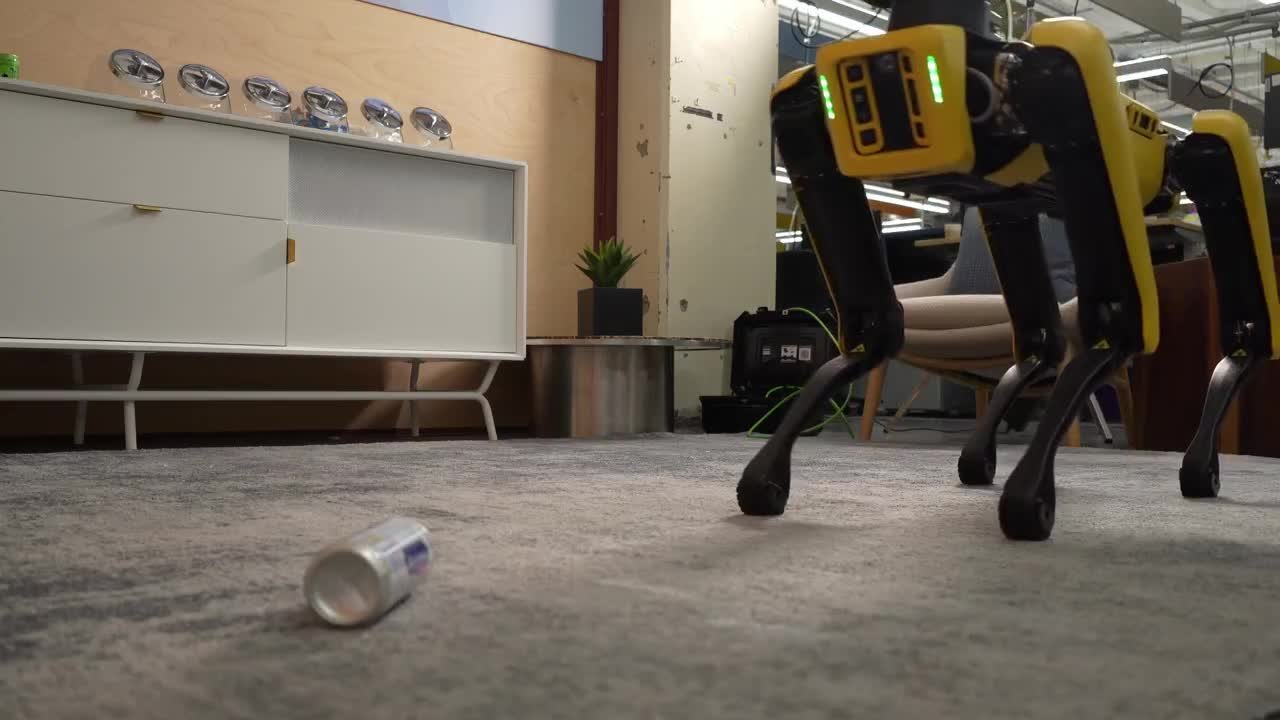
Researcher Sammy Azdoufal discovered Energize Lab's Eiliko robot stores 13 million conversations from 68,000 t…