What happened
Croft now includes response time tracking, error grouping, 7 days of logs, alerts, and MCP tools for every app, with no SDK and no extra cost on Solo and Team plans.
Why it matters
The assistant can read the error, logs, and stack trace, fix the code it wrote, and redeploy — so a broken app can be repaired without an engineer setting up a separate tool.
What to watch
The fix loop hinges on the assistant correctly reading the stack trace via MCP; only aggregate counts and timings leave the server, while logs, errors, and traces stay on the Croft server with 7-day retention.
WHO IT HITSTeams that built internal apps by chatting with AI assistants can now get error alerts and let those assistants fix what breaks, without hiring an engineer to set up and read a separate monitoring tool.
Summaries like this, in your inbox every morning.
Croft's blog post, dated September 22, 2026 and written by Rich Chetwynd, describes a gap that opened as more people built apps by talking to Claude or ChatGPT. Those apps worked, got shared with teams, and became part of how a business ran — then broke, with the team seeing only "something went wrong" while the assistant that wrote the code saw nothing at all. Traditional monitoring tools require an account, an SDK wired into the code, and usually an engineer to set up and read the results, which the post argues does not fit someone who built an app in an afternoon by conversation.
The fix Croft proposes is to make monitoring part of the platform rather than a separate product. Alongside response time breakdowns, throughput and failure rate charts, error groups, slow request waterfalls, slowest SQL, 7 days of logs, health checks, and deploy markers, Croft exposes three MCP tools — app_errors, app_metrics, and logs — so the same assistant that wrote the code can read the error, see the logs and stack trace, fix the code, and redeploy. A Fix with Build button does the same by handing the stack trace and logs to Croft Build. Alerts are capped at once per app per day across three triggers: a new error, a high failure rate, and an unhealthy app.
What this hinges on is whether the assistant can reliably turn a stack trace and logs into a correct fix and redeploy it without a human stepping in, and whether keeping logs, errors, and traces on the customer's own server — with only aggregate counts and timings reaching the control plane — is enough for teams that care where their telemetry lives. For the people who built these apps by conversation rather than by engineering, the appeal is that the repair path now uses the same skill they already have: asking the assistant.
For example, today's edition would include:
AI-summarized, only the topics you pick: one digest a day via Email, LINE, or Slack.
Free · 30 seconds with Google · unsubscribe anytimeWhat is AIToday? →
Ask AI anything about this article. The AI reads this article, earlier AIToday articles, and Wikipedia, and cites its sources. Q&As are published on this page for other readers too.
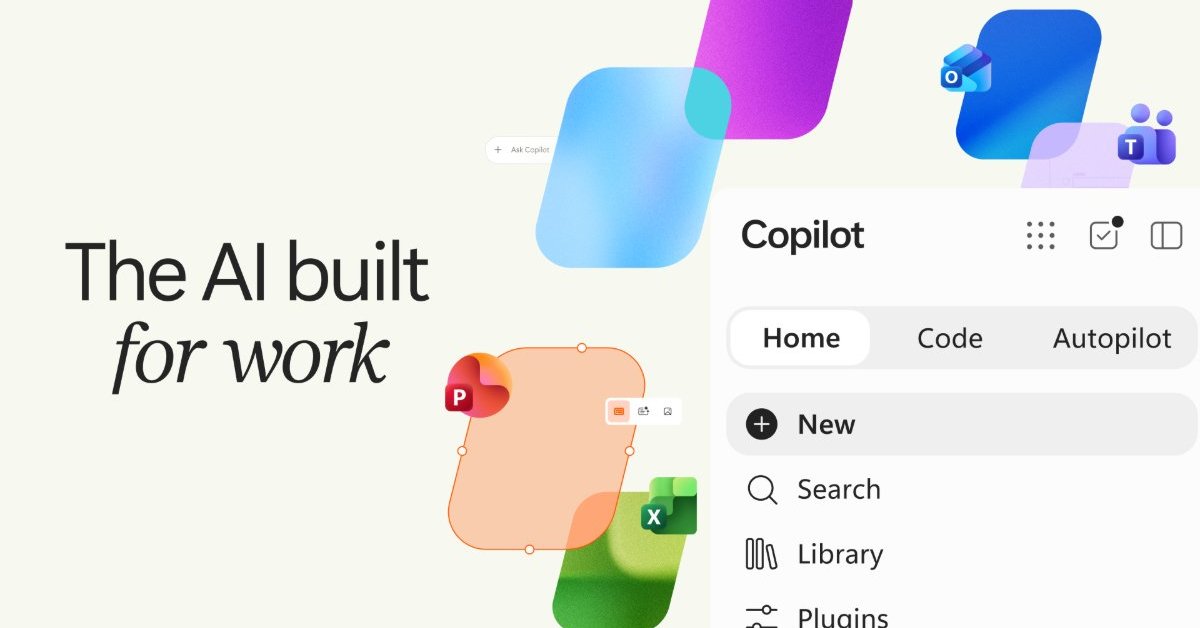
Microsoft said the rebuilt Microsoft Copilot app is built on three tabs — Home, Code and Autopilot — with "Off…
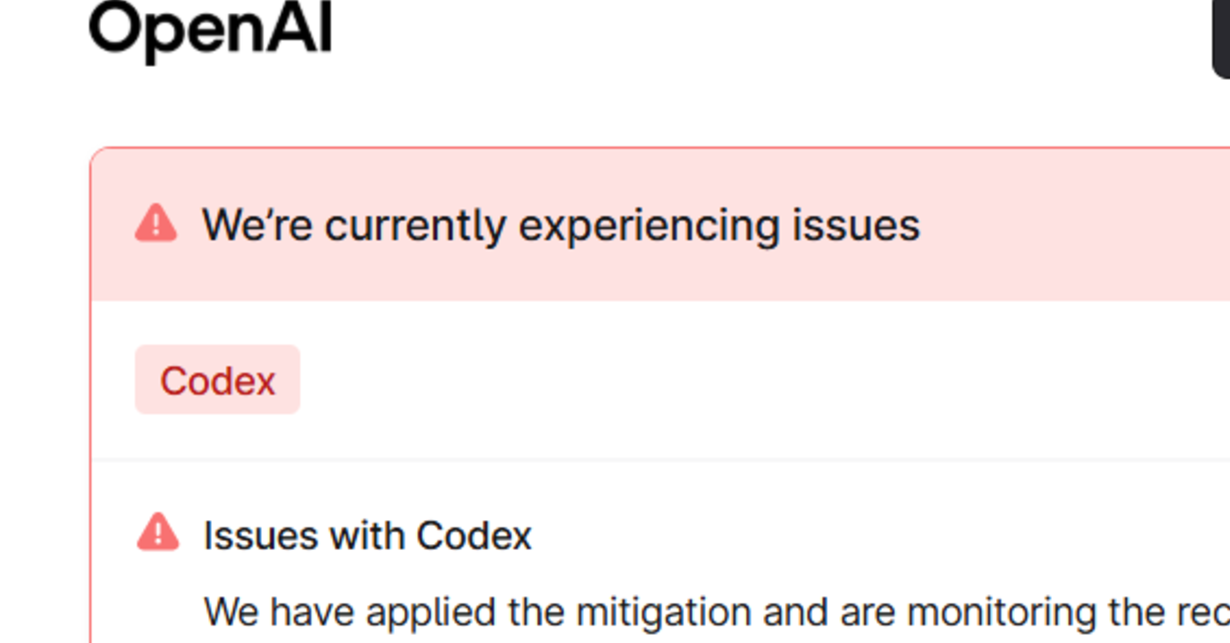
OpenAI's Codex coding tool failed across web, API, CLI, and its VS Code extension starting before 8 a.m
Google DeepMind chief Koray Kavukcuoglu said Gemini 4 has entered post-training and Google intends to ship an…

CrowdStrike Holdings (NasdaqGS:CRWD) became a founding member of the Blueprint Alliance, joined by AWS, Google…
At Dreamforce 2026, Salesforce presented an agentic health enterprise, citing UCLA Health's 75,000+ patient in…
Microsoft launched an updated Copilot app that can code and handle productivity tasks, replacing separate 365…