What happened
An autonomous robot called temi, paired with a no-code programming app called Buddiotte and integrated support infrastructure, is being rolled out as a STEAM education package. As of 2025, 50 temi units are operating across 12 schools in Japan (including 2 in Saitama, 2 in Kanagawa, and 4 in Wakayama), with uses ranging from classroom instruction to library recommendations and museum guidance.
Why it matters
Teachers tasked with STEAM education face barriers—equipment setup, lack of specialized knowledge, and difficulty designing lessons—that prevent them from focusing on actual teaching. This robot package bundles hardware, software, curriculum, and network infrastructure into a single offering to reduce teacher preparation burden and enable students to learn through real-world problem-solving that extends to social implementation, not just coding.
What to watch
The "AI Assistant Robot Academic Pack (3-year package)" covers the robot, software license, textbooks, training, and three years of maintenance in one transparent pricing model, eliminating separate hardware, software, and support bills. A "STEAM Education Co-creation Community" has also launched, supported by prefectural education boards and school principals, to share lesson plans and program code and ease the workload for teachers building lessons from scratch.
Summaries like this, in your inbox every morning.
The article identifies a structural problem in Japanese STEAM education: despite the GIGAスクール initiative providing one device per student, teachers leading STEAM and information education face mounting barriers—equipment selection and setup, gaps in specialist knowledge, and difficulty designing lessons—that paradoxically force dedicated educators to step back from teaching itself. The temi package addresses this by moving beyond the typical model of teaching technology as an isolated skill. Instead, it frames robotics as a vehicle for problem-solving grounded in real community and social challenges. The curriculum scaffolds learning across four stages: foundational robot operation (about 20 hours), problem-solving tied to daily life (10–15 hours), and service or social implementation (5–10 hours), with a no-code programming interface (Buddiotte) removing technical friction.
The infrastructure bundle—hardware, software, network (P-BOX), and training—consolidated into one package with three-year transparent pricing is designed to ease administrative burden. A dedicated support center handles both hardware and software issues centrally, so schools do not have to hunt for multiple vendors. Equally important is the emergence of the "STEAM Education Co-creation Community", which pools lesson plans and code across schools and prefectures, effectively redistributing preparation work so that individual teachers are not building curricula in isolation. This community structure aligns with the education ministry's N-E.X.T High School Initiative, which aims to cultivate problem-solving ability, creativity, and applied thinking to nurture "change-makers" for Society 5.0.
Pick your industry and the AI tools you use, and get news related to your work every day.
Free · 30 seconds with Google · unsubscribe anytimeWhat is AIToday? →
Ask AI anything about this article. The AI reads this article, earlier AIToday articles, and Wikipedia, and cites its sources. Q&As are published on this page for other readers too.
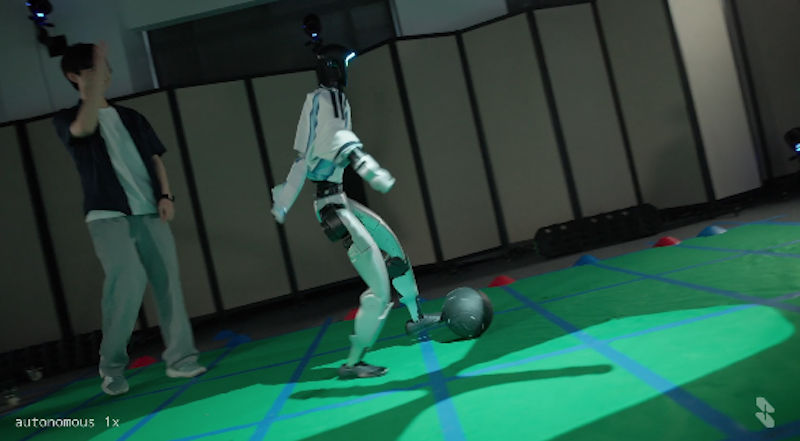
Skild AI used Nvidia Isaac Sim to give its S1 model one objective — score a goal — and let it compete against…
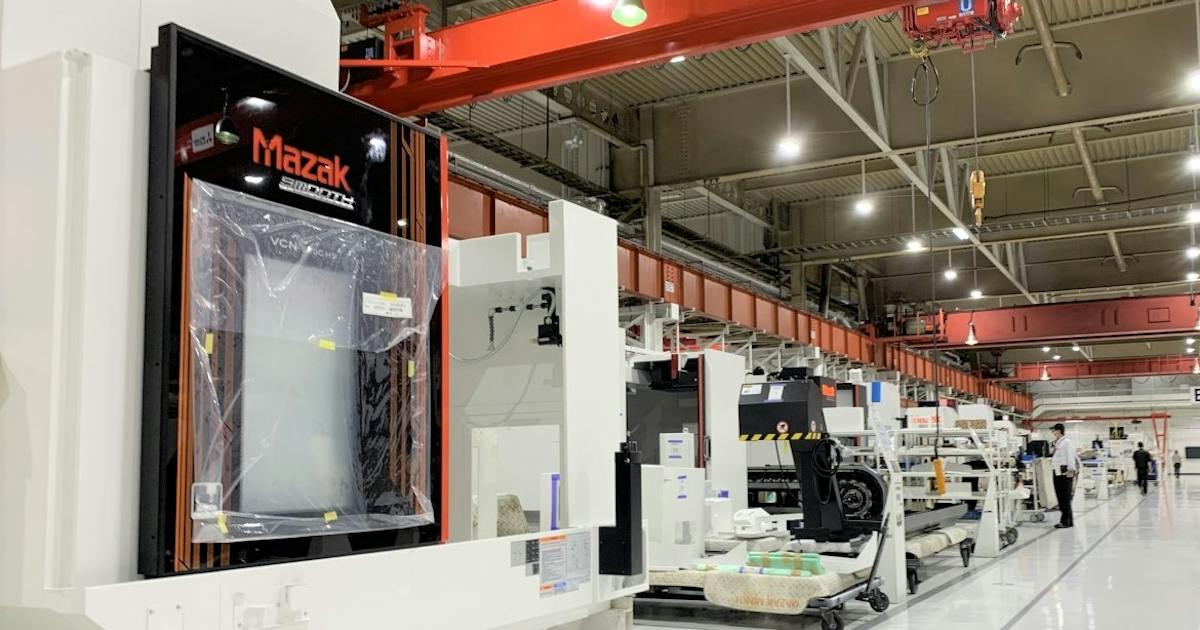
Yamazaki Mazak and ABEJA said on the 16th they will start joint development of physical AI, using ABEJA's ABEJ…
Wells Fargo hired an AI executive based in San Francisco, a move The Business Journals describes as part of em…
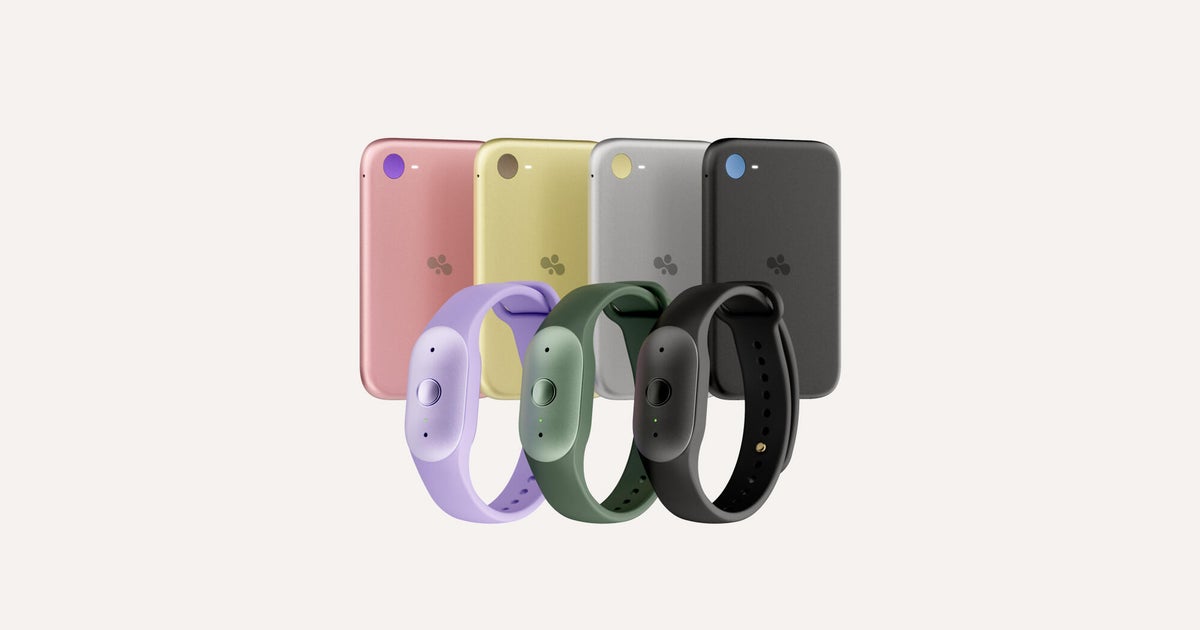
Amazon launched two Bee "personal AI" devices on Thursday: the $74.99 Bee Frontier wristband and the $99.99 Be…
Apple released MLX today, which runs the 816B-parameter Muse Spark Open on four Mac Studios at over 36 tokens…

Bloom Energy stock fell 4% to $229.83, still up 165% year to date, while Caterpillar slipped 3% to $727.55 and…