
What happened
Microsoft, Amazon, and Oracle disclosed huge contracted AI cloud backlogs: Azure at roughly $100 billion a year with a $678 billion backlog, Amazon's AWS winning a more-than-$100 billion Anthropic deal, and Oracle's $664 billion in obligations.
Why it matters
These are signed, contracted commitments rather than speculative spending, which gives the three established giants unusual visibility into future revenue — though the article notes AI spending cannot grow in a straight line forever.
What to watch
The risk hinges on execution and concentration: Amazon raised its 2026 capital spending budget to about $220 billion, and roughly $300 billion of Oracle's backlog comes from a single customer, OpenAI.
WHO IT HITSLong-term investors evaluating AI cloud exposure now have concrete contracted-revenue figures to weigh against concentration and capital-spending risks, rather than relying on AI hype alone. Cloud buyers and enterprises dependent on Azure, AWS, or Oracle capacity may also see multiyear commitments shape pricing and availability.
Summaries like this, in your inbox every morning.
The three companies highlighted — Microsoft, Amazon, and Oracle — are not start-ups betting their existence on AI. As the article frames it, they built their fortunes on operating systems, online retail, and corporate databases, and by most normal standards they have already won. What stands out now is that each is behaving as if its AI cloud business is still on day one.
The evidence is in the contracted numbers. Microsoft began separately reporting Azure's revenue this year and revealed it is running at roughly $100 billion a year, up 43% from a year earlier, backed by a $678 billion backlog. Amazon this year locked in one of the largest cloud commitments in tech history, with Anthropic agreeing in April to spend more than $100 billion over the next decade with AWS, including up to 5 gigawatts of computing capacity built around Amazon's custom Trainium chips. Oracle's remaining performance obligations hit a record $664 billion last quarter, with roughly $300 billion tied to a single customer, OpenAI.
What the outcome hinges on is whether the demand behind these commitments holds long enough to pay off the build-out. Amazon raised its 2026 capital spending budget to about $220 billion, an enormous bet whose margins would feel it if AI demand cools before that spending pays off, and Oracle's heavy reliance on OpenAI means a stumble by that one customer could take a large chunk of future revenue with it. The article also cites Goldman Sachs chief economist Jan Hatzius, who recently repeated that AI spending cannot grow in a straight line forever — a reminder that the durability of these contracts, not their size alone, is likely to be the real test.
Pick your industry and the AI tools you use, and get news related to your work every day.
Free · 30 seconds with Google · unsubscribe anytimeWhat is AIToday? →
Ask AI anything about this article. The AI reads this article, earlier AIToday articles, and Wikipedia, and cites its sources. Q&As are published on this page for other readers too.
Alon Horev, co-founder and CTO of Vast, said at Fully Connected 2026 that agent sessions of half a million tok…
MasterClass Executive, MasterClass's new AI-native business program, runs a multi-agent system using about 10…

Taiwan's National Science and Technology Council (NSTC) has issued a call for proposals on "high-performance p…

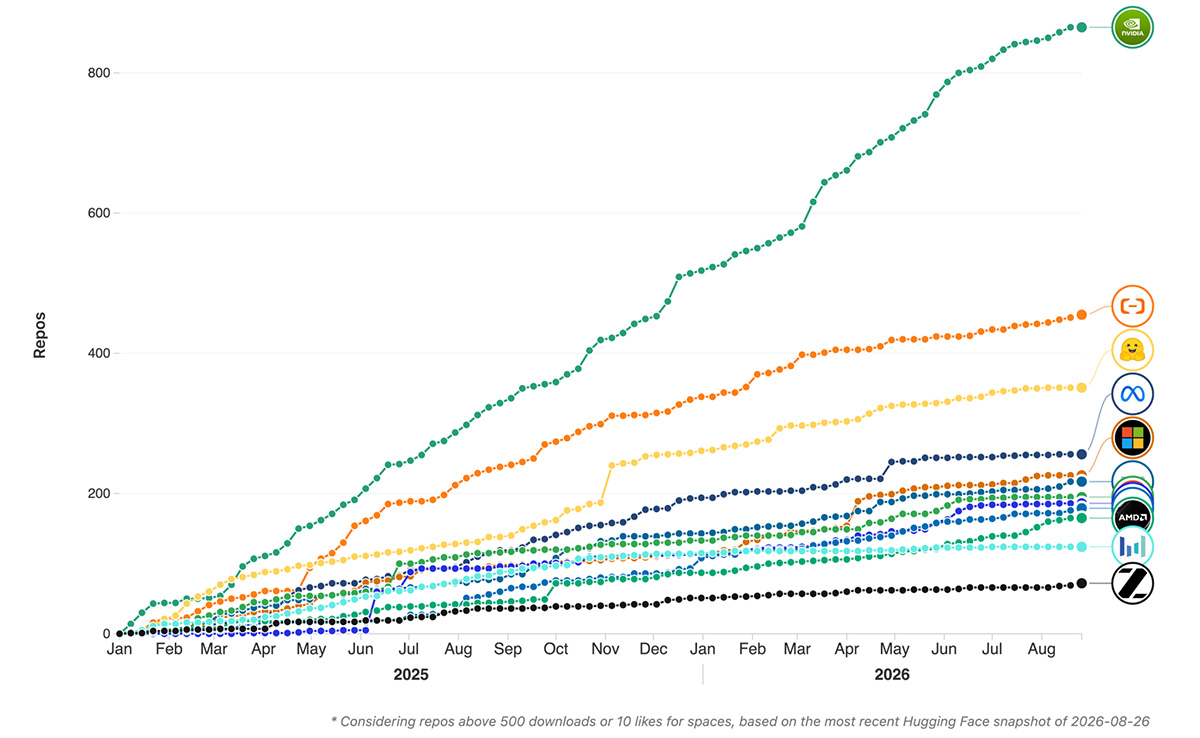
NVIDIA said it plans to spend $12.9 billion, the largest acquisition in its history, to buy Hugging Face, wher…
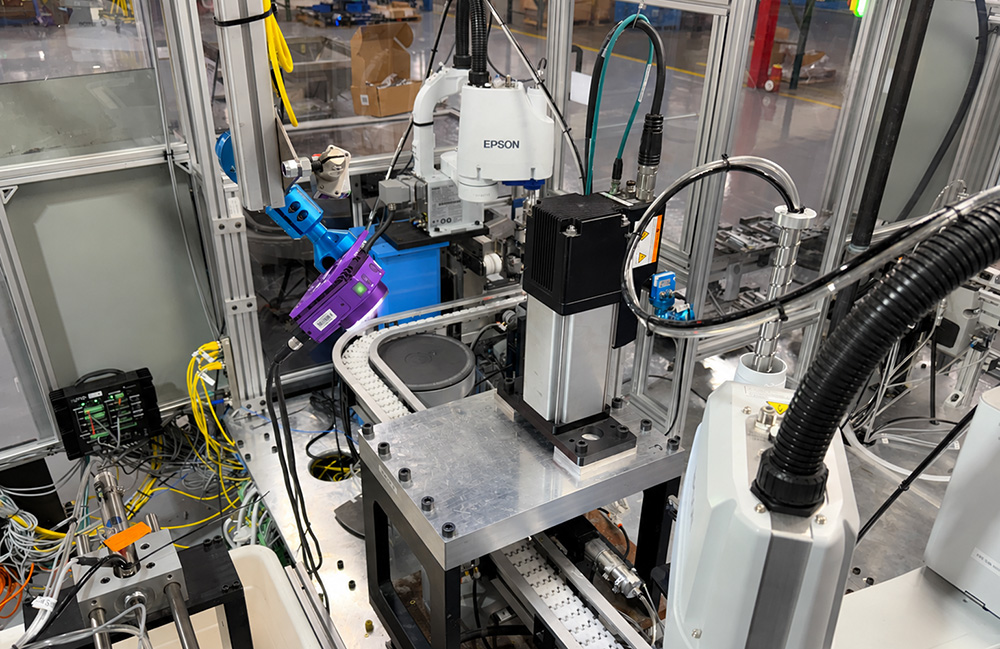
Overview AI launched the OV Spark and OV Spark Pro, all-in-one inspection cameras with an onboard agent called…
Microsoft published Nobel Prize-winning economist Daron Acemoglu's forecast that AI will boost GDP by about 1.…