
What happened
Amazon is negotiating to move $8 billion of Nvidia Grace Blackwell chips into a special purpose vehicle that would sell debt to outside investors and lease the chips back, per the Financial Times.
Why it matters
The chips are already installed in data centers in at least five states, so Amazon keeps running them while moving the obligation into lease disclosures and protecting its credit rating.
What to watch
The structure shifts aging risk to lenders, since Nvidia says Vera Rubin delivers 35X lower token costs than Grace Blackwell Ultra. Watch the interest rate demanded and whether other cloud giants follow within two quarters.
WHO IT HITSThis lands on the asset managers and banks buying the debt, who would hold chips that Amazon keeps for the early, profitable years and who face later years when the hardware is two generations old. It also matters to credit analysts tracking Amazon's lease disclosures and rating.
Summaries like this, in your inbox every morning.
The move comes as Amazon's spending has climbed sharply. Amazon spent $54.2 billion on capital projects in the second quarter, 68% more than a year earlier, and Andy Jassy committed to roughly $200 billion in spending for 2026. Free cash flow over the past 12 months turned negative at -$7.6 billion, and long-term debt rose to $119.1 billion from $65.6 billion a year earlier.
Nvidia is building similar financing structures of its own. Nvidia reported $279 billion in supply commitments and guarantee obligations limited at $108.5 billion for AI cloud and data center partners, and it signed up six asset managers and banks to raise more than $500 billion of outside capital for AI infrastructure. Management said: "We know some will call this circular financing." Nvidia expects the AI labs it supports to account for roughly a quarter of its business next year.
The deal illustrates a split: Amazon gets cash and keeps the early, profitable years of the chips, while lenders take on the later years when the collateral may be worth less. On the July earnings call, Jassy said servers take "a little less than three years" to break even and last at least five to six years. Demand for computing power remains intense, with Nvidia saying it can supply about 70% of what customers want. Whether this becomes a template appears to hinge on the interest rate lenders demand and whether peers copy the structure, a signal the article suggests could surface within two quarters.
Pick your industry and the AI tools you use, and get news related to your work every day.
Free · 30 seconds with Google · unsubscribe anytimeWhat is AIToday? →
Ask AI anything about this article. The AI reads this article, earlier AIToday articles, and Wikipedia, and cites its sources. Q&As are published on this page for other readers too.
Nittobo is expanding production of its T-Glass glass cloth, a material used in advanced chipmaking, as demand…
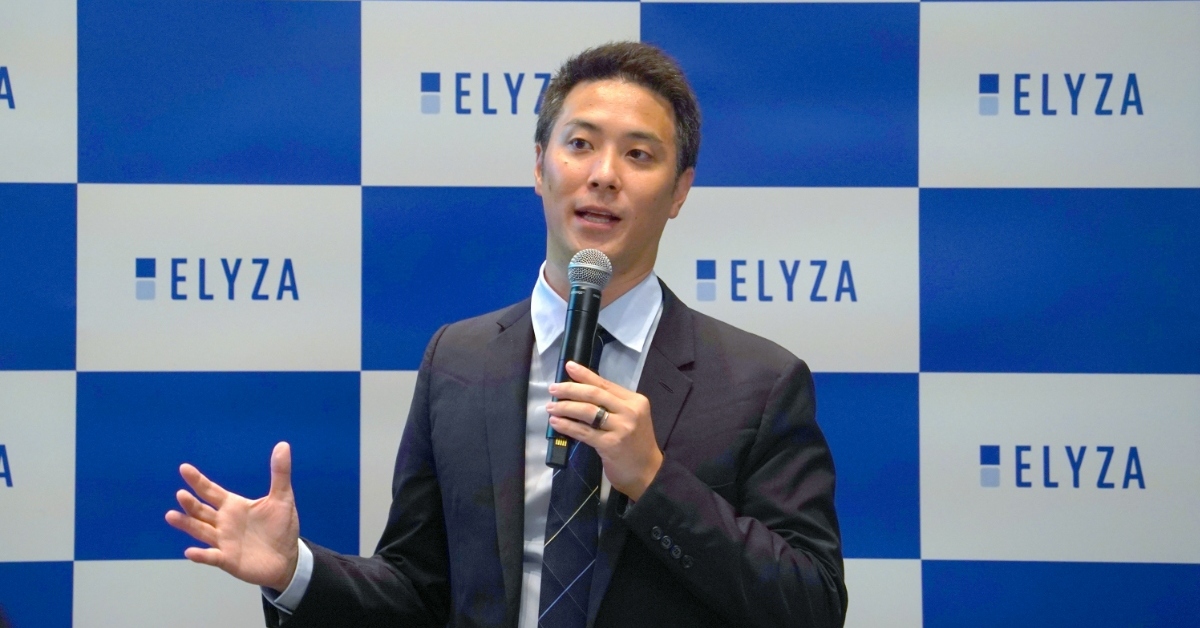
KDDI's ELYZA said on October 2 it set up "ELYZA RSI Research" to study recursive self-improvement, and CEO Yuy…
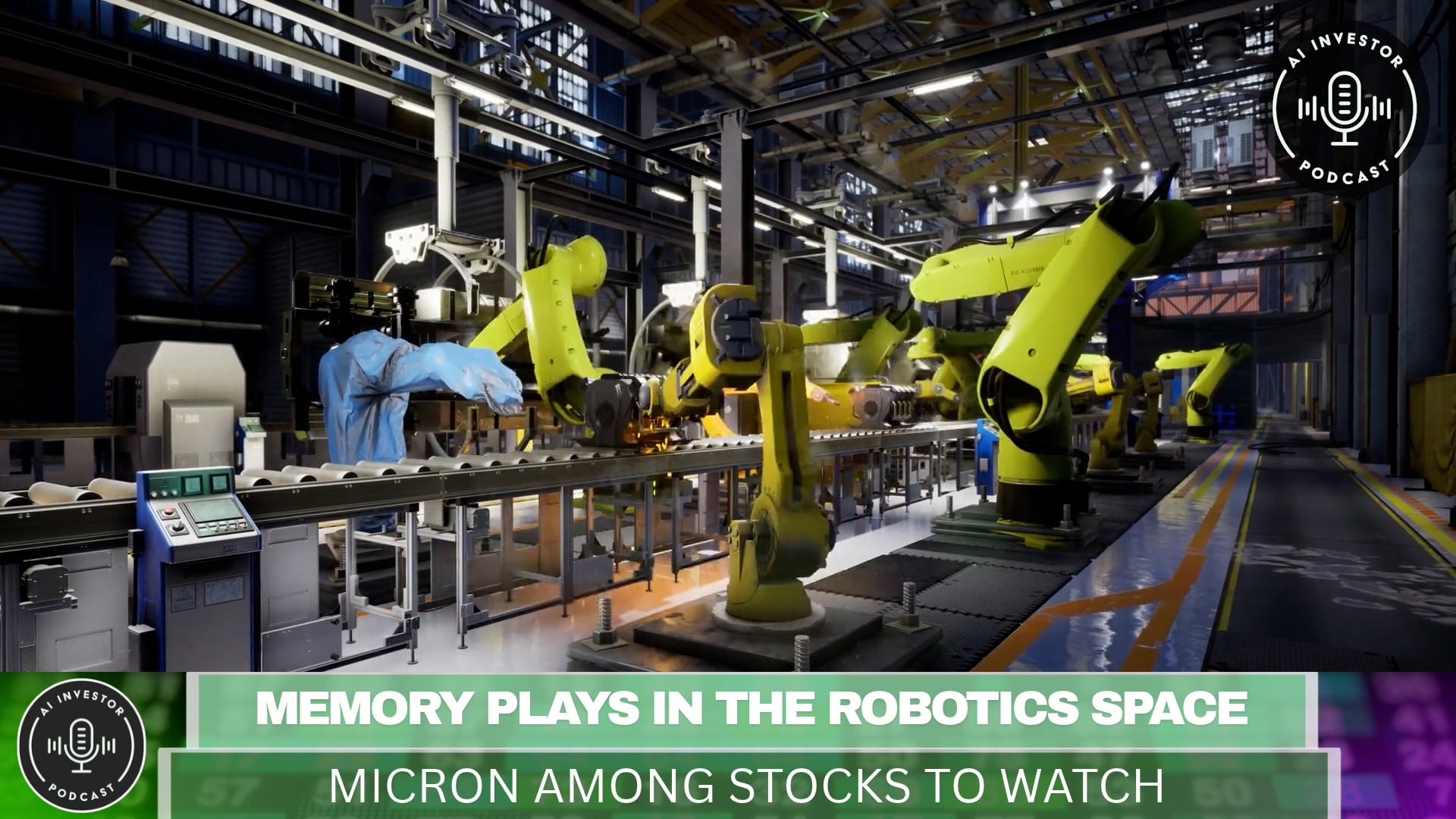
On The AI Investor Podcast, co-hosts Eric Bleeker and Austin Smith discussed the future of robotics and how ph…
On a recent episode of The AI Investor Podcast, Eric Bleeker and Austin Smith broke down Google's release of G…

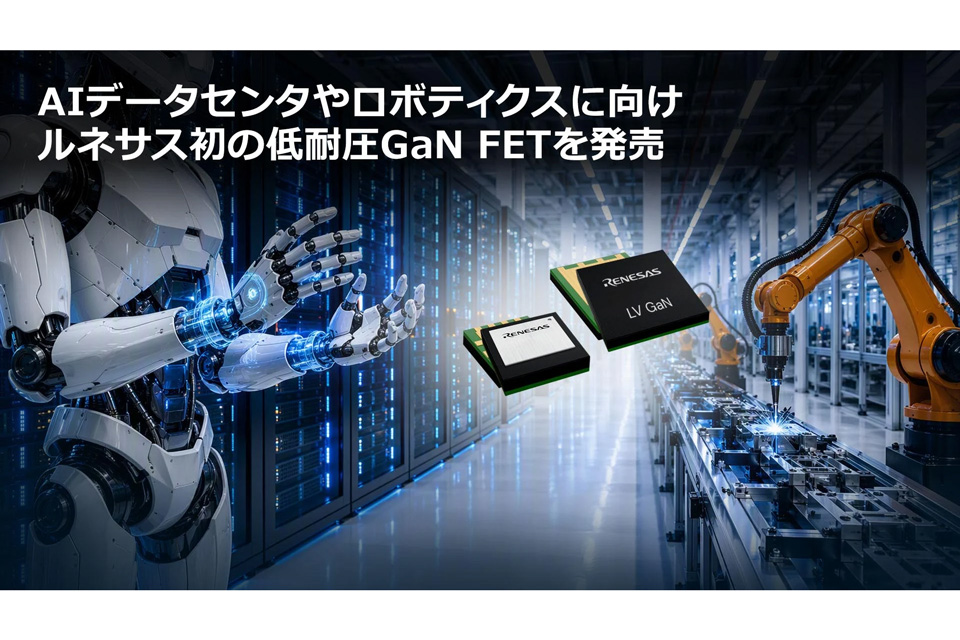
Renesas Electronics released its first 100V enhancement-mode GaN power transistors—the RTP100E005G1FL, RTP100E…
OpenAI is rolling out a new visual ad format shown while ChatGPT generates images, and will test it with selec…