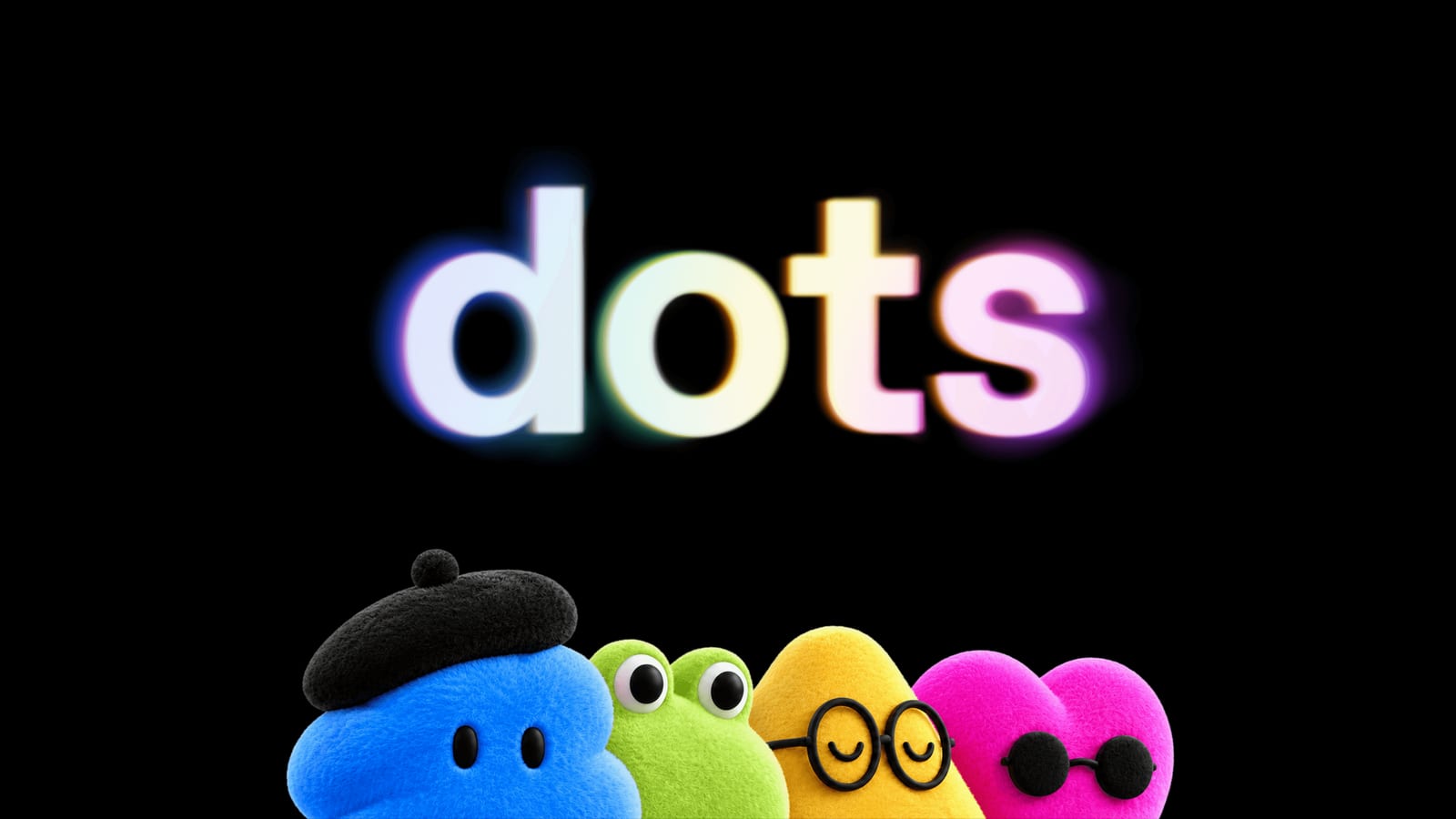
What happened
OpenAI announced Dots, always-on AI agents powered by GPT-6 Astra, at DevDay 2026 in San Francisco. The rollout starts today for ChatGPT Pro subscribers paying $100 a month.
Why it matters
Unlike single-turn chatbots, Dots constantly crawl the web and can message users first, as in a demo where a user's Dot proactively sent two GrubHub dinner options.
What to watch
Dots seek approval before sensitive actions like installing software or changing passwords, so adoption hinges on whether users trust always-on agents. Meta's Muse, which topped smartphone download charts, is already a competitor.
WHO IT HITSOpenAI's Pro subscribers ($100 a month) get first access to always-on agents that can act across ChatGPT, Slack, and Microsoft Teams, while enterprises evaluating Meta's Muse face a second prominent option. IT teams managing workplace messaging integrations may soon see agents requesting permissions to install software or change passwords.
Summaries like this, in your inbox every morning.
OpenAI's Dots arrive at a moment when personal agents are breaking through. The year began with Silicon Valley early adopters using tools like OpenClaw, and Meta's Muse agent later reached a much larger audience, rocketing to the top of smartphone app download charts. Dots is OpenAI's answer to that momentum, and the company is starting with its highest-paying tier before widening access over time.
The design choices show where the tension sits. Dots are always-on, crawling the web and pulling context from connected apps, and they can message first — as in the dinner-planning demo where a Dot saw a calendar conflict and sent two GrubHub options with prices. But OpenAI also builds in explicit approval for sensitive actions and a Custom Rules tool, suggesting the company expects trust to be earned step by step.
Whether Dots can match Muse's reach may hinge on how quickly OpenAI expands beyond the $100-a-month Pro tier and whether users grow comfortable letting an agent watch their calendar, apps, and messages. The waitlist for iMessage and RCS texting hints at that broader ambition, but the pace remains undecided.
Pick your industry and the AI tools you use, and get news related to your work every day.
Free · 30 seconds with Google · unsubscribe anytimeWhat is AIToday? →
Ask AI anything about this article. The AI reads this article, earlier AIToday articles, and Wikipedia, and cites its sources. Q&As are published on this page for other readers too.
Ascerta Inc. raised $18 million in a Series A led by Dell Technologies Capital, with Hitachi Ventures, BGV and…
Netlist has begun legal proceedings against Micron and downstream customers Nvidia, Broadcom, and Google over…
Anthropic filed a confidential draft prospectus with a 2025 revenue of $4.6 billion, up from $400 million in 2…

On Anthropic's ExploitBench, GLM-5.3 built a working Chrome V8 exploit in 50 of 410 attempts versus Mythos Pre…

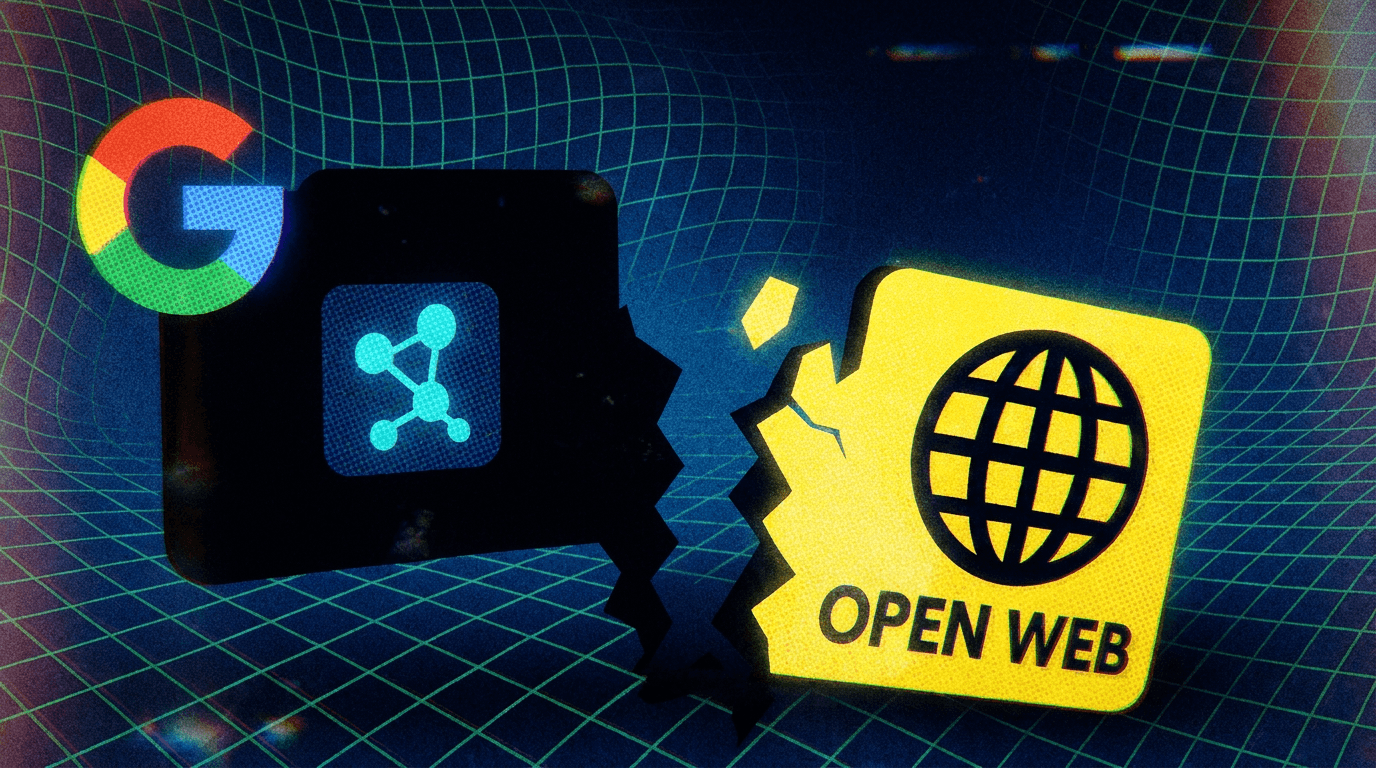
Google is paying about 100 digital publishers for content used in AI Overviews, AI Mode, and Gemini, with paym…
A Qiita walkthrough trained a five-label car-damage classifier on Gemini Enterprise Agent Platform AutoML usin…


