What happened
Huawei moved the Ascend 960DT AI chip launch to Q1 2027 from Q3 2027, a spokesperson said at Huawei Connect, with David Wang announcing the new timeline.
Why it matters
A chip arriving two quarters earlier than planned could put Huawei's next-generation hardware in customers' hands sooner than expected.
What to watch
The test is whether the surrounding systems match that pace — analyst Rui Ma noted Huawei previously said its Atlas 960 SuperPoD would scale to 15,488 Ascend 960 chips, while this week's announcement referred to a system with 4,096 chips.
WHO IT HITSEnterprise AI infrastructure buyers evaluating Huawei's Ascend-based systems, and semiconductor supply-chain planners tracking China's advanced chip timelines, may need to reassess their 2027 procurement assumptions.
Summaries like this, in your inbox every morning.
The timeline change was disclosed by a Huawei spokesperson at the company's Huawei Connect conference, and it comes just a week before U.S. President Trump and Chinese President Xi Jinping are set to meet on September 24 in Washington, DC. Huawei had previously planned to launch the chip in Q3 of 2027, so the new date pulls the launch forward by roughly two quarters.
The announcement sits alongside Huawei's broader push to link large numbers of AI chips into single computing systems. The company calls this approach its Peerium Computing Architecture, which relies on UnifiedBus, its technology for linking processors with memory, storage, and networking hardware. Rotating chairman Eric Xu said Huawei is using the architecture to build larger AI computing systems designed for both training and inference. The first systems based on it are the Atlas 950 SuperPoD and SuperCluster, and Huawei says an Atlas 950 SuperCluster can connect up to 256,000 accelerator cards.
Questions remain about how the chip timeline squares with the systems built around it. Analyst Rui Ma pointed out on X that Huawei had previously said its Atlas 960 SuperPoD would scale to 15,488 Ascend 960 chips, while this week's announcement referred to a system with 4,096 chips — a smaller figure than originally laid out. Ma also wrote that U.S. restrictions on China's access to advanced semiconductor technology are unlikely to stop China from pursuing its own semiconductor technology, saying the stakes for self-sufficiency are too high. How the launch and the surrounding systems come together may shape how quickly buyers can act on the earlier chip timeline.
For example, today's edition would include:
AI-summarized, only the topics you pick — one digest a day via Email, Slack, or Discord.
Free · 30 seconds with Google · unsubscribe anytimeWhat is AIToday? →
Ask AI anything about this article. Q&As are published on this page for other readers too.
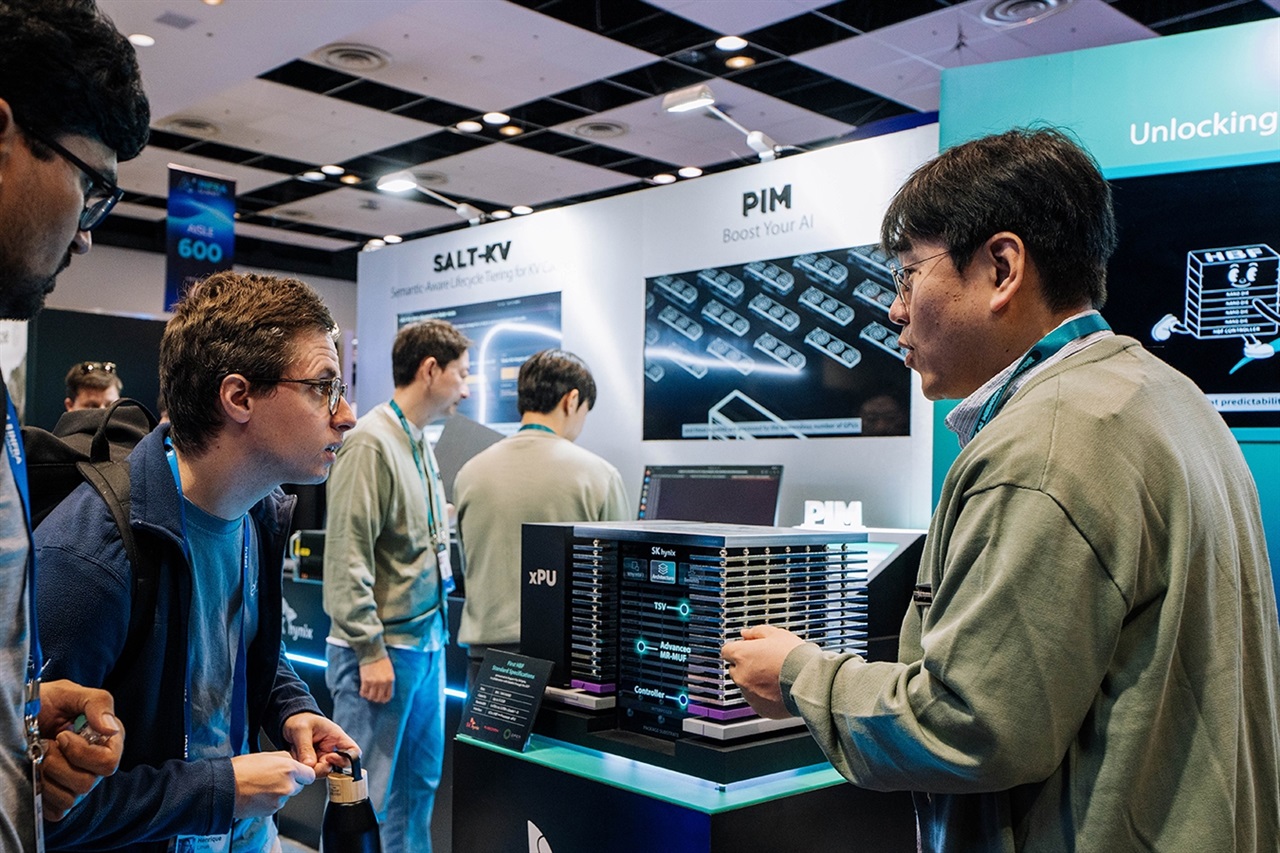
SK Hynix showcased PIM, HBF and SALT-KV technologies at AI Infra Summit 2026 in Santa Clara, moving beyond the…
Musk, Zuckerberg and Nvidia's Jensen Huang privately pushed back in Oval Office meetings against a Google Deep…
Camtek, which holds about 60% market share in advanced packaging inspection and metrology, said CEO Rafi Amit…

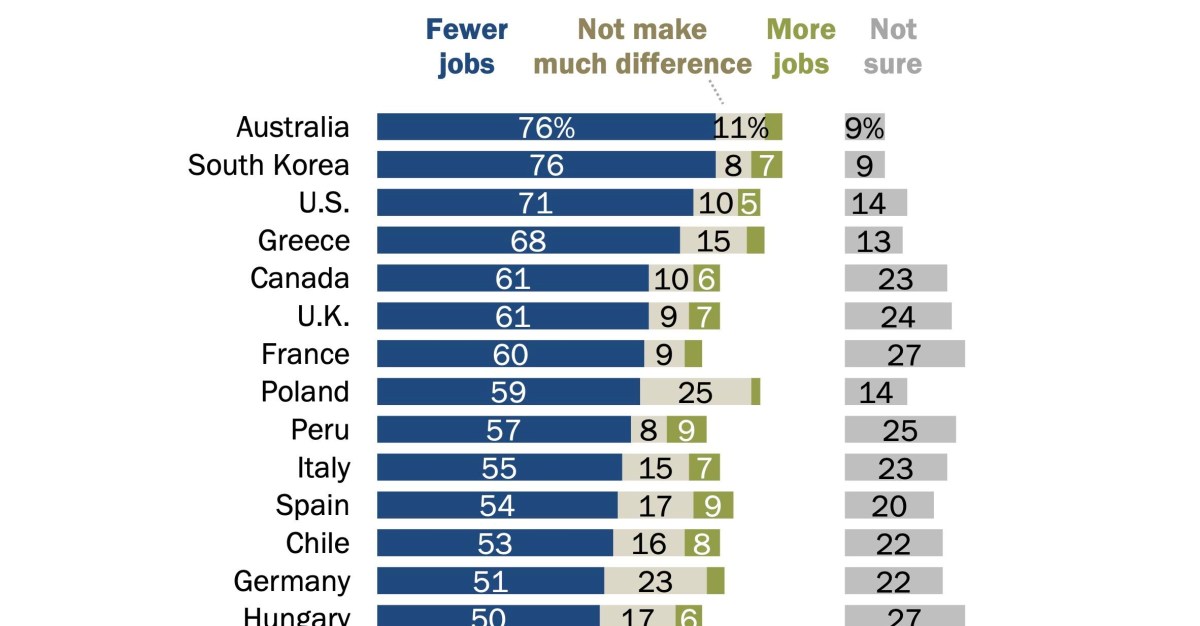
Pew Research surveyed 42,151 people across 37 countries and found that in 34 of the 37 countries, more people…
Microsoft AI CEO Mustafa Suleyman published a companion essay this week criticizing Anthropic's model welfare…

Emerald AI launched the AI Energy Management Alliance with Google, Nvidia, Anthropic, and utilities AES, Const…