What happened
Thermo Fisher's Clinical Sequencing Division is deploying fully automated next-generation sequencing (NGS) systems to clinical labs everywhere, moving genomics testing beyond specialized centers. The company's Genexus product enables end-to-end automation that allows any laboratory technician to run the tests locally.
Why it matters
Automation and AI in NGS reduce the time for clinicians and patients to access cancer treatment decisions. By decentralizing genomics testing to local labs rather than specialty centers, patients no longer need to wait for samples to be sent away, accelerating precision medicine delivery where they live.
What to watch
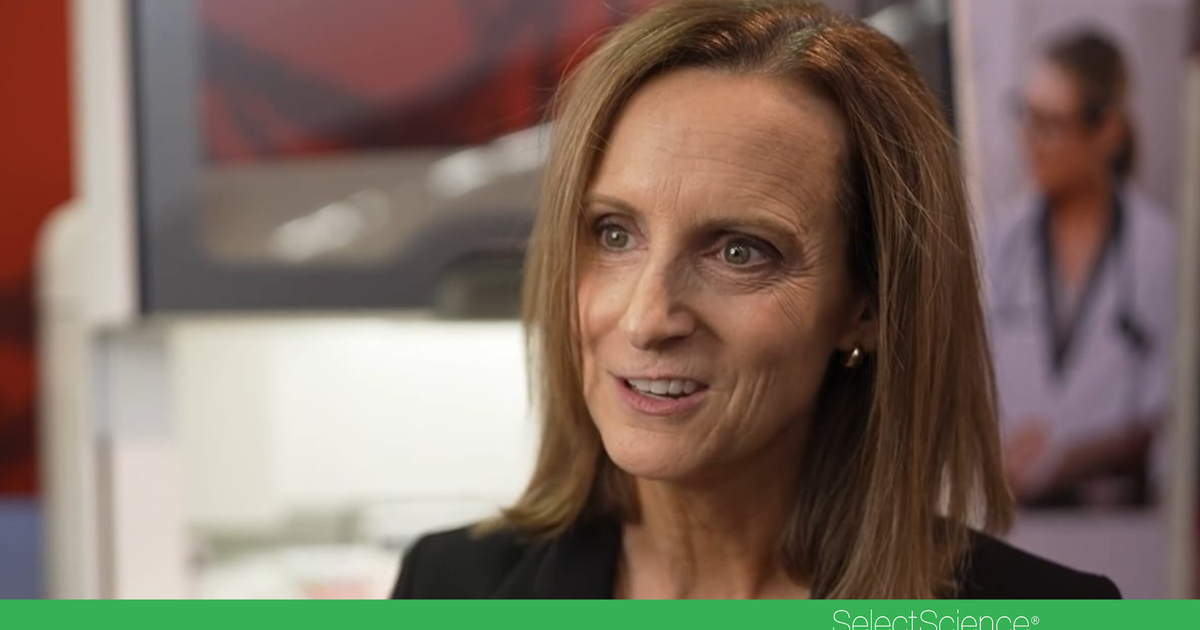
Kathy Davy, President of Thermo Fisher's Clinical Sequencing Division, projects that within five years, all patients with an actionable mutation will have access to precision medicine through products like Genexus. The company is balancing workflow simplification with ongoing innovation to keep pace with new biomarkers and evolving cancer science.
Summaries like this, in your inbox every morning.
Genomics testing has historically been concentrated in specialized centers, creating bottlenecks for patients seeking precision medicine diagnoses. Thermo Fisher's strategy addresses this by deploying fully automated systems that democratize access to NGS across the clinical lab landscape. The company frames this shift as balancing two competing demands: simplifying workflows so any technician can operate the technology, and continuing to innovate as new biomarkers emerge and cancer science evolves. This localization of testing—bringing answers to patients where they receive care—represents a fundamental reorganization of how genomics informs cancer treatment decisions. Leadership at Thermo Fisher sees automation and AI as the critical enablers of this shift, and projects that within five years the model will mature to the point where all patients with actionable mutations can access precision medicine without geographic or resource barriers.
Pick your industry and the AI tools you use, and get news related to your work every day.
Free · 30 seconds with Google · unsubscribe anytimeWhat is AIToday? →
Ask AI anything about this article. The AI reads this article, earlier AIToday articles, and Wikipedia, and cites its sources. Q&As are published on this page for other readers too.
OpenAI introduced the Rosalind Academic Plan, giving eligible academic labs at U.S

Wells Fargo hired an AI executive based in San Francisco, a move The Business Journals describes as part of em…

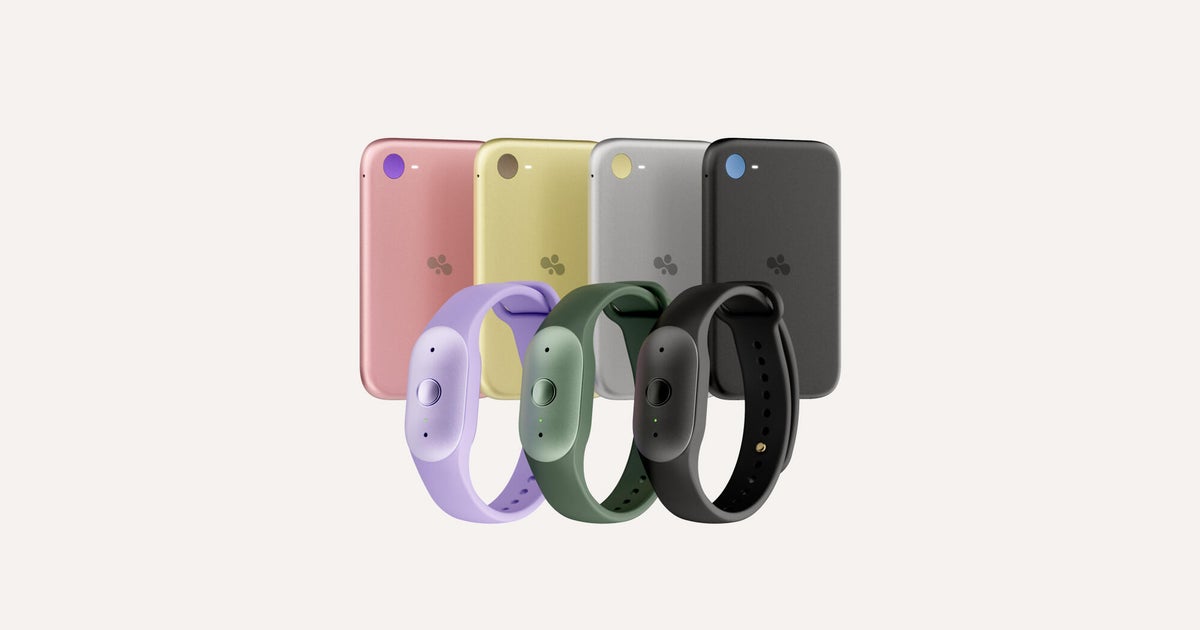
Amazon launched two Bee "personal AI" devices on Thursday: the $74.99 Bee Frontier wristband and the $99.99 Be…
Apple released MLX today, which runs the 816B-parameter Muse Spark Open on four Mac Studios at over 36 tokens…

Bloom Energy stock fell 4% to $229.83, still up 165% year to date, while Caterpillar slipped 3% to $727.55 and…

LogicMonitor announced its 2026 Elevate Award winners at its Elevate Community Conference in Chicago, honoring…