
A AAAI 2027 reviewer found no code, data, or checkables in four papers.
AAAI rules require reproducibility, so missing code matters.
The reviewer will flag it and ask for code.
What happened
A reviewer for AAAI 2027 received four papers that all make empirical claims but none include code, data, or other checkable materials—only the PDF and the checklist.
Why it matters
AAAI-27 rules say code/data should be provided at submission, and 'release after acceptance' is not considered reproducibility. The reviewer says missing code alone isn't an auto-reject, but unverifiable numbers lower their confidence and they will ask for anonymized code in the rebuttal.
What to watch
The reviewer explicitly flags the absence and asks for anonymized code during rebuttal. How other reviewers handle this round—whether they auto-ding or weigh how much the paper relies on empirical results—remains open.
Ask the AI about this article →
This year's AAAI review batch highlights a persistent tension in AI research between reproducibility and practical constraints. The reviewer notes that AAAI's own guidelines require code and data at submission, yet they also acknowledge that authors may have legitimate reasons—such as funding or IP—for withholding code. The thread suggests that even when code is absent, reviewers often lack time to audit it anyway, and a hard reject solely for missing code is not the norm. Instead, the reviewer's approach is to weigh how much the paper's claims depend on empirical results; if the numbers are central and unverifiable, confidence drops and they ask for anonymized code during rebuttal. This reflects a broader shift toward expecting reproducibility as part of the review process, while leaving room for case-by-case judgment. The outcome for these four papers will likely depend on how much each relies on its numbers and whether authors provide code in the rebuttal phase.
For example, today's edition would include:
AI-summarized, only the topics you pick — one digest a day via Email, Slack, or Discord.
Free · takes 30 seconds · unsubscribe anytimeWhat is AIToday? →
Ask AI anything about this article. Q&As are published on this page for other readers too.
A UK study by UK AI Security Institute and Limbic AI surveyed 6,474 British adults

Broadcom's Clayton Donley says companies are doing mission-critical work with AI agents quickly, but without t…

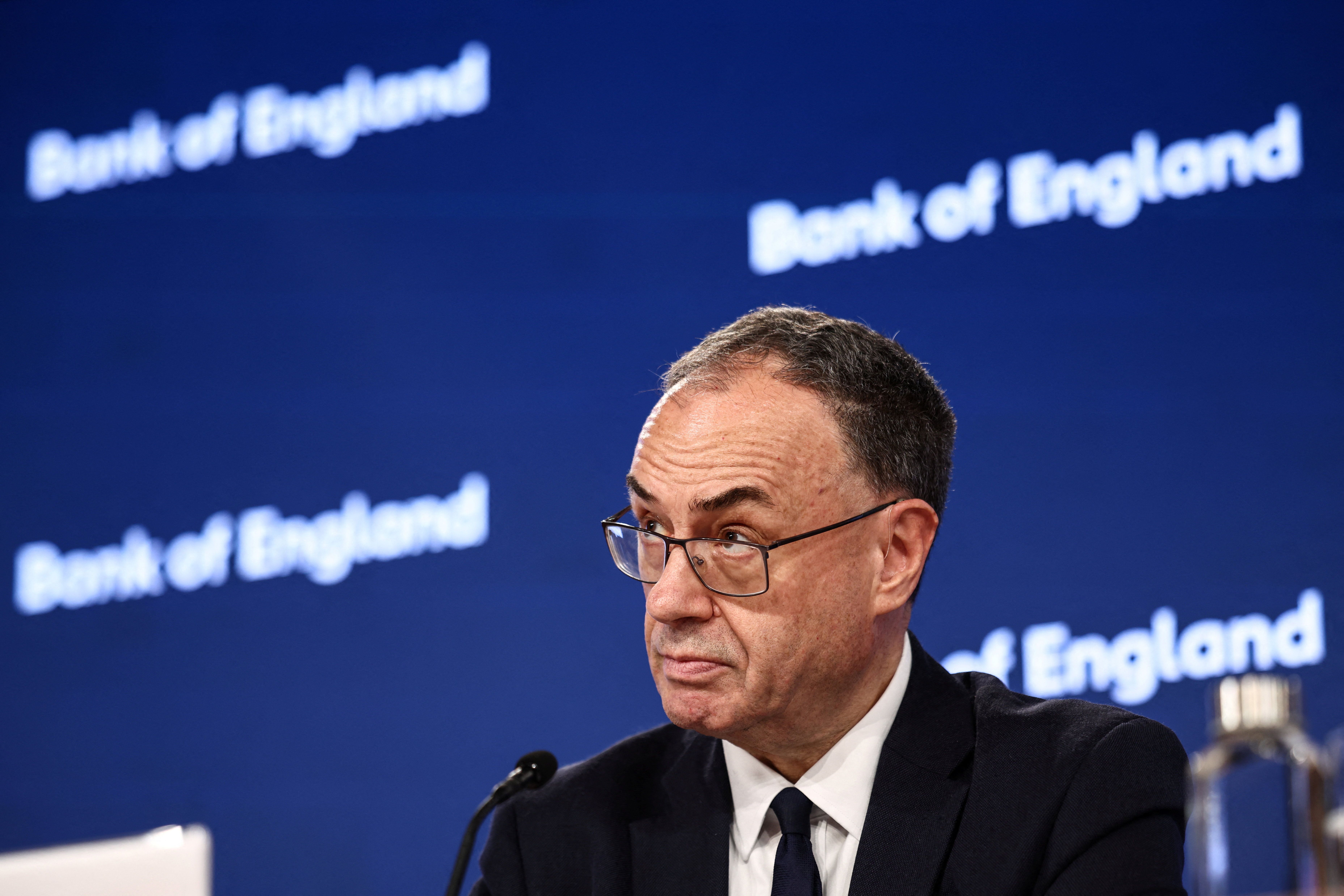
Bank of England governor Andrew Bailey warned that advanced AI poses risks to financial infrastructure in a le…

As AI agents perform real business tasks, 'Agentic Identity' (giving each AI a unique employee-like ID) and 'D…

Andrew Bailey, head of the world's financial stability watchdog, warned in a letter to G20 finance ministers a…
Fortinet announced the acquisition of Virtue AI, a move aimed at expanding its AI security capabilities