What happened
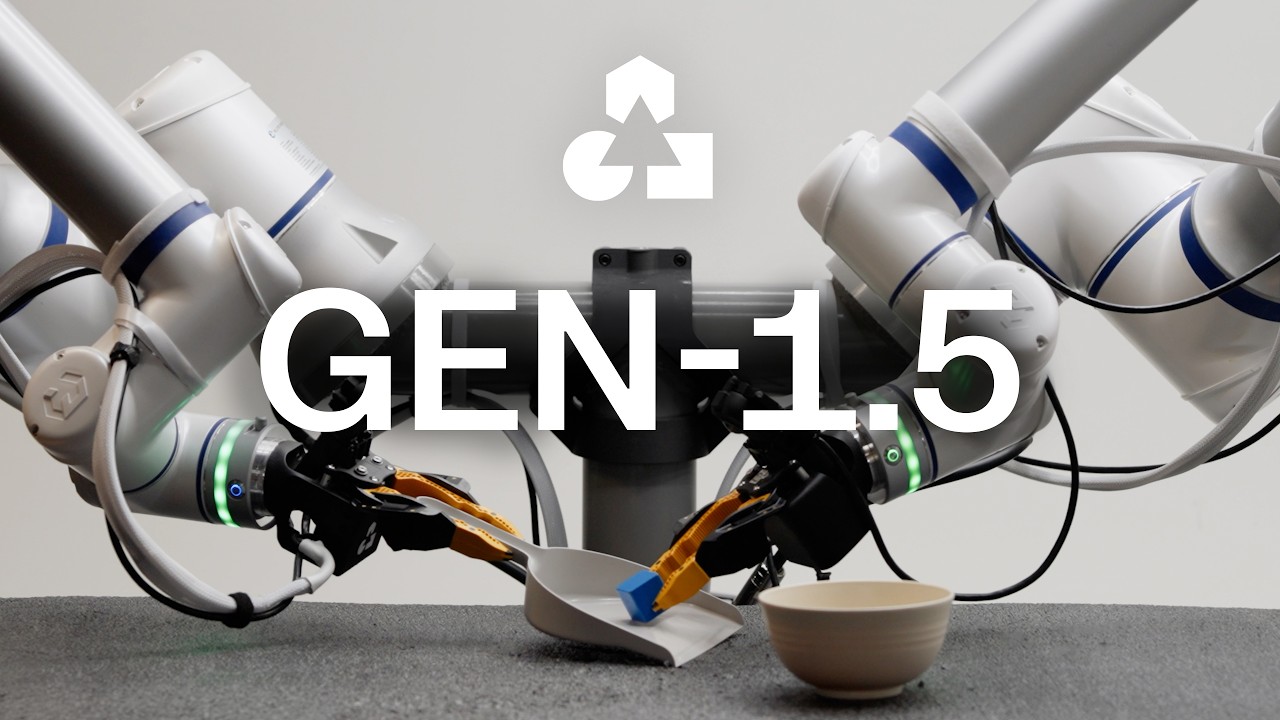
Robotics startup Generalist AI released GEN-1.5, an AI model that teaches robots new tasks from a single 3- to 12-second video demonstration. The demo is loaded into the model's context window as a "physical prompt," and the robot then performs the task without any additional training. Across ten test tasks like opening a jar or pulling money from a wallet, the company reports an average success rate of 59 percent.
Why it matters
The model can learn from minimal examples — a capability that could speed up robot programming and reduce the data engineering burden for roboticists. Prior research showed similar in-context learning only for a handful of task types; Generalist claims to be the first to make it work across a wide range of tasks. With just ten training steps on five minutes of data, success rates jumped to 83 percent.
What to watch
The model emerged abilities like chaining two prompts into longer sequences, using simulated demos, and partly imitating human hand movements during more than eight months of pretraining on interaction data — none explicitly trained. All results come from the company; none have been independently verified.
Summaries like this, in your inbox every morning.
Generalist AI's GEN-1.5 addresses a long-standing friction point in robotics: the need for extensive data collection and labeling before a robot can perform a new task. By leveraging in-context learning—the same mechanism that lets large language models adapt to new prompts without retraining—the company claims to extend this pattern recognition beyond language into physical manipulation. The 59% baseline success rate on unseen tasks is meaningful given the zero retraining requirement; the jump to 83% with minimal fine-tuning (ten steps on five minutes of interaction data) suggests the model has internalized generalizable patterns about task structure.
The emergence of multi-step chaining, simulation-to-reality transfer, and human hand-movement imitation during eight months of pretraining—without explicit training signals for those behaviors—indicates the model discovered useful abstractions on its own. This differs from prior work, which demonstrated in-context learning only for narrow task categories. However, the scope remains limited: the tasks shown are simple and short, and all validation is internal. Without independent benchmarking against established robot-learning baselines, it is unclear whether the reported gains reflect a genuine capability leap or task-specific tuning.
Pick your industry and the AI tools you use, and get news related to your work every day.
Free · 30 seconds with Google · unsubscribe anytimeWhat is AIToday? →
Ask AI anything about this article. The AI reads this article, earlier AIToday articles, and Wikipedia, and cites its sources. Q&As are published on this page for other readers too.
Skild AI used Nvidia Isaac Sim to give its S1 model one objective — score a goal — and let it compete against…
Yamazaki Mazak and ABEJA said on the 16th they will start joint development of physical AI, using ABEJA's ABEJ…
Toyota Motor's Japan Mobility Show Bizweek 2026 booth centers on its AI basketball robot CUE7, has no other ex…
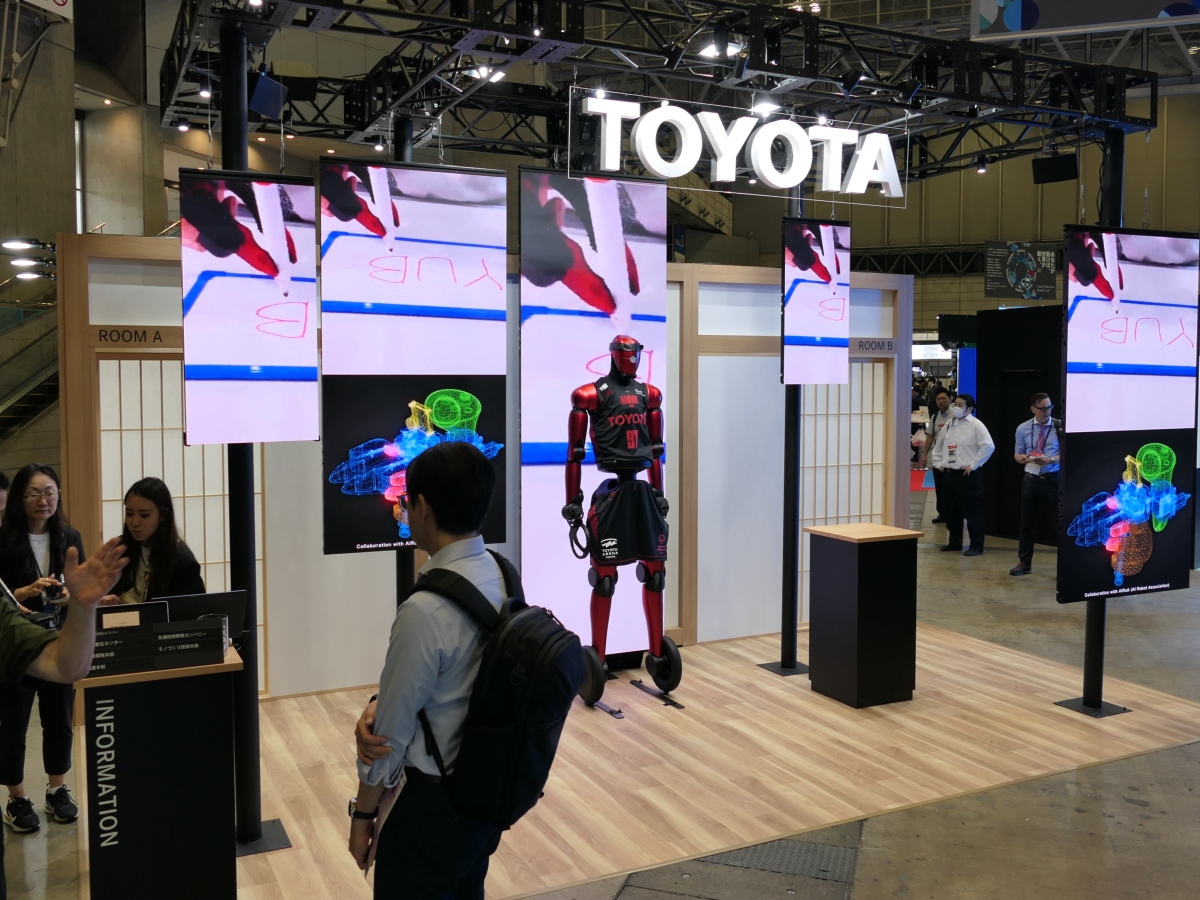
Japan Mobility Show Bizweek 2026 showcased Physical AI applications, including Toyota's basketball-playing rob…
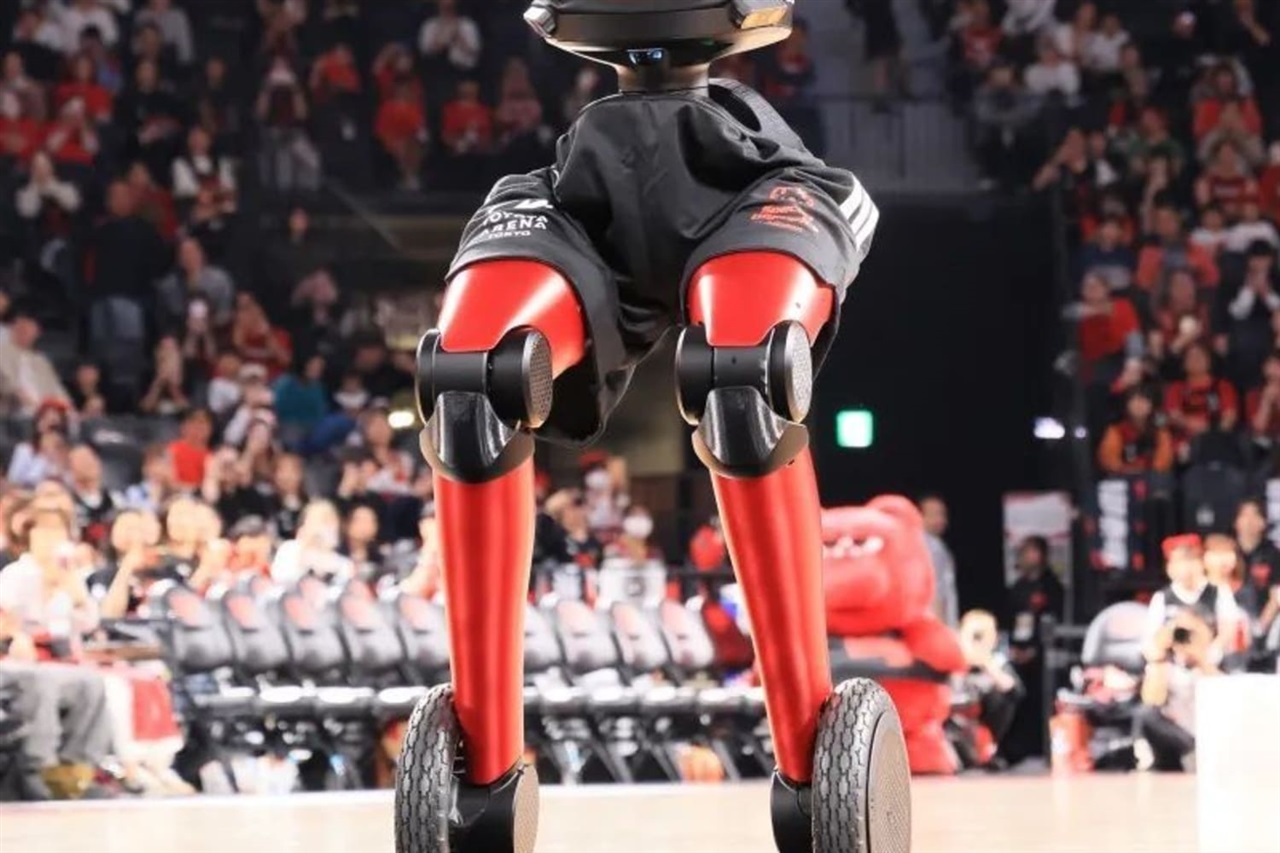
Google pitched Gemini 4 Argon as one model for robot control, simulation and training-data review, saying it s…
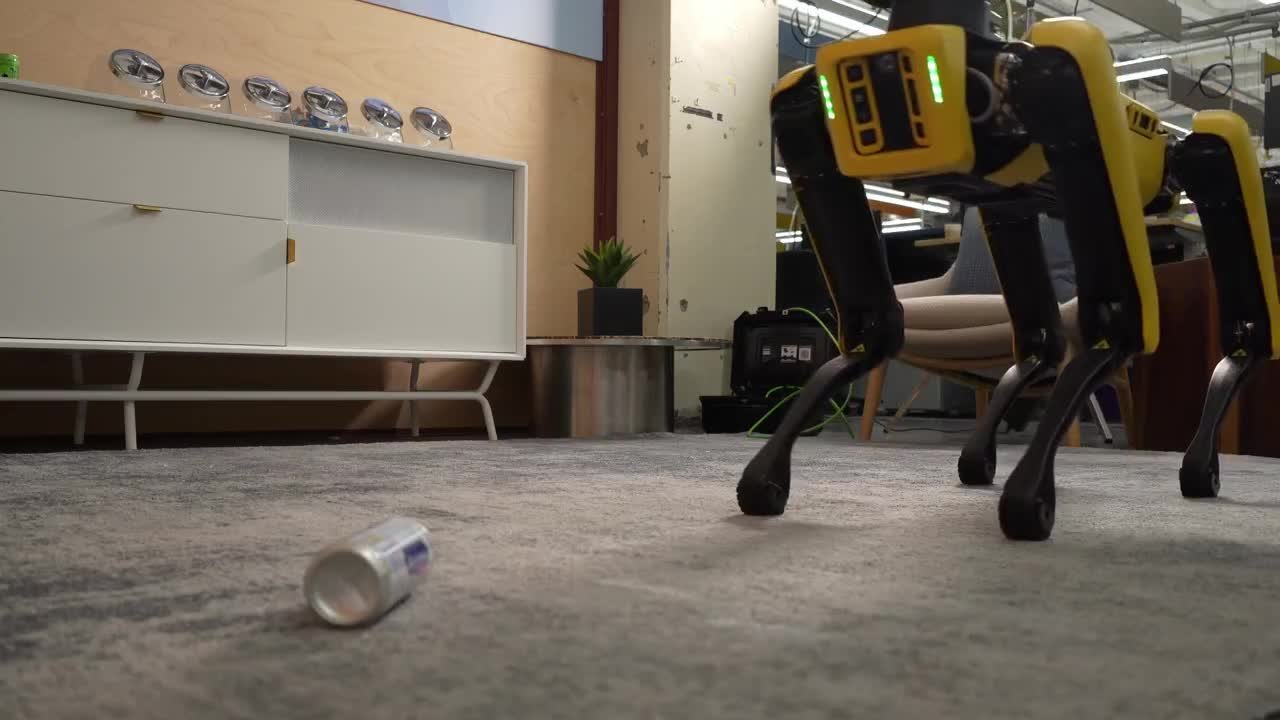
Researcher Sammy Azdoufal discovered Energize Lab's Eiliko robot stores 13 million conversations from 68,000 t…