What happened
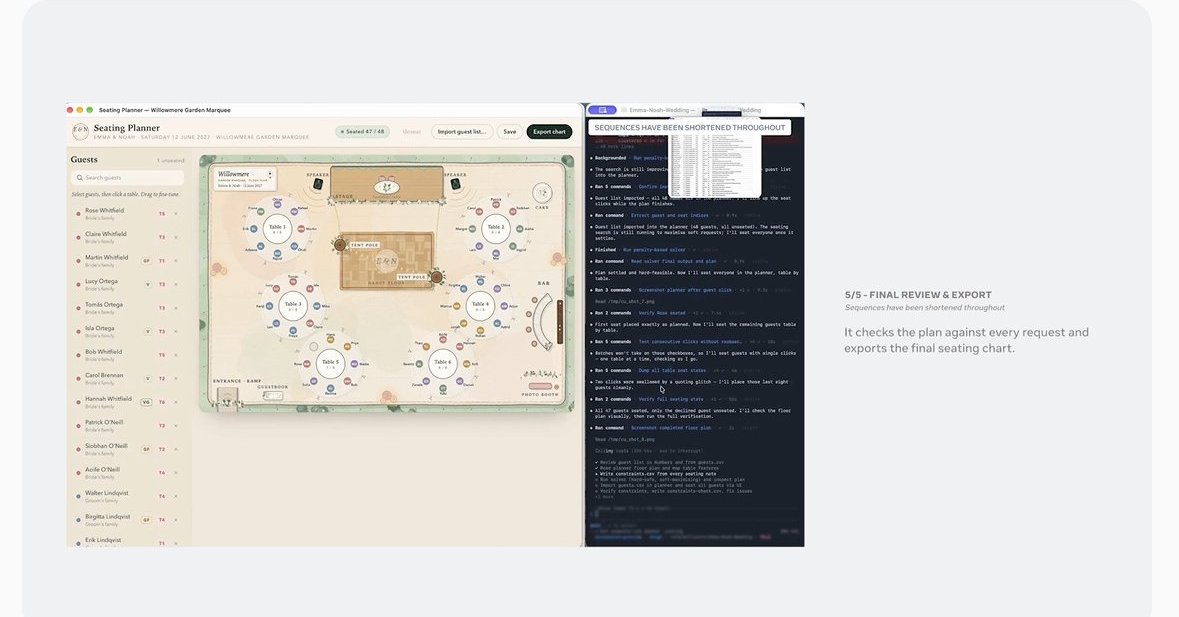
Meta unveiled Muse Wonder and the higher-tier Muse Wonder Full on October 12, calling them its largest and most capable models, and started offering them the same day via Meta Model API and Muse Code.
Why it matters
Meta is positioning the models as its most capable yet for agent tasks that act on a user's behalf, and it will also bring them to its personal AI agent Muse, starting with subscribers.
WHO IT HITSDevelopers using Meta Model API and Muse Code gain access to the new models immediately. Meta's Muse subscription users will get them next, though Meta has not said when or for which plans.
Summaries like this, in your inbox every morning.
Meta's new Muse Wonder series builds on the foundation laid by Muse Spark, announced in April, by scaling up both pre-training and reinforcement learning, and it was trained at the gigawatt-scale data center Prometheus. Meta says that because the base model is larger and more powerful, Muse Wonder performs better than Muse Spark 1.3's tendencies would predict even on unfamiliar tasks that were not a focus during training.
The launch lands in an already crowded field. Meta's own model card compares Muse Wonder against OpenAI's GPT-6 Astra and Anthropic's Claude Fable 5.1 and Claude Opus 5.5, and the results are mixed: Meta's models lead on legal-work and long-horizon coding benchmarks, while Claude Opus 5.5 scores highest on health questions, terminal operation, building programs from scratch, and Artificial Analysis's overall index.
Safety work followed Meta's Superintelligence Scaling Framework. Cybersecurity and loss-of-control areas were rated at most moderate risk before mitigation, but because chemical and biological risks could not be ruled out as high, Meta added further training and system-level classifiers to bring all areas to moderate or below.
Pick your industry and the AI tools you use, and get news related to your work every day.
Free · 30 seconds with Google · unsubscribe anytimeWhat is AIToday? →
Ask AI anything about this article. The AI reads this article, earlier AIToday articles, and Wikipedia, and cites its sources. Q&As are published on this page for other readers too.
Dell's Helen O'Sullivan said Bay Area customers are exhausting token budgets allotted for months within a matt…
Meta released Muse Wonder and Muse Wonder Full, agent models for long, multistep tasks such as insurance claim…
Google Cloud announced Gemini Agent on October 9, a multi-agent tool that runs in the cloud and isn't locked t…
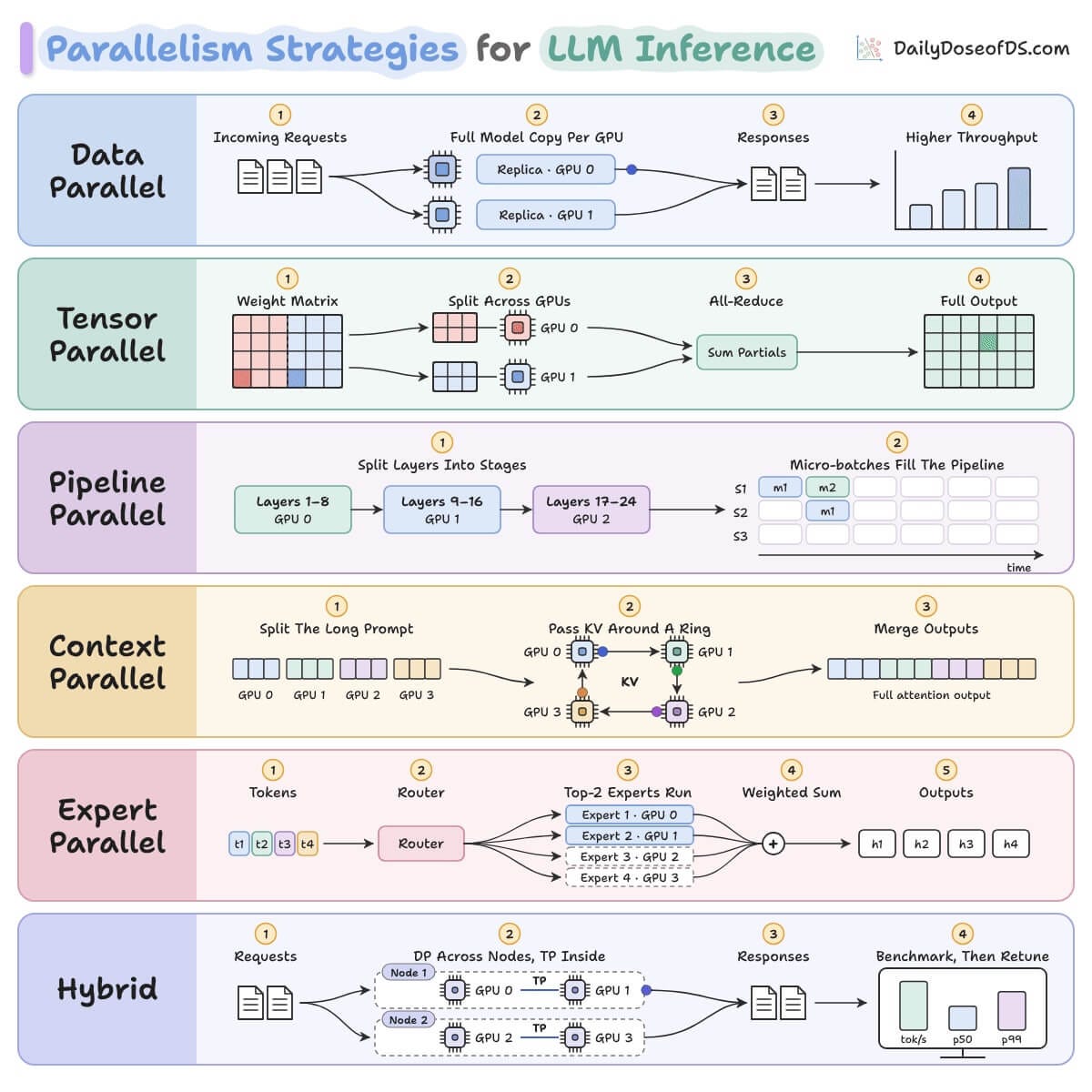
A newsletter laid out six common strategies for parallelizing LLM inference — data, tensor, pipeline, context…
A developer entered the 5th Agentic AI Hackathon with Google Cloud with "Vulnerability Busters," which scans a…

The developer of HACH, a resident AI agent for Slack, Teams and Chatwork, published a design guide arguing lon…

