What happened
Meta released Muse Wonder and Muse Wonder Full, agent models for long, multistep tasks such as insurance claims. Muse Wonder Full passed 13.1% of tasks in Artificial Analysis' version of Harvey's Legal Agent Benchmark, versus 8.6% for GPT-6 Astra.
Why it matters
The result positions Meta's new model ahead of a rival on a test that requires a deliverable to meet every criterion and pass hallucination checks, though Meta's runs of competing models were best-effort and not optimally tuned, the model card cautions.
WHO IT HITSDevelopers building agent workflows can now access Muse Wonder through Meta's Model API and Muse Code, while enterprises evaluating legal or coding agents may weigh its benchmark results against rival models, though Meta's own caveats about best-effort comparisons apply.
Summaries like this, in your inbox every morning.
Meta's release of Muse Wonder and Muse Wonder Full builds on the pretraining and reinforcement learning methods introduced with Muse Spark in April, and the models were trained at Meta's gigawatt-scale Prometheus data center. Muse Wonder takes over the top of the Muse lineup from Muse Spark 1.3, which Meta Superintelligence Labs released six weeks ago. Meta's personal agent, Muse, has run on Muse Spark since its U.S. launch on Sept. 8, and Muse Wonder will power that agent soon.
The models introduce Active Memory, which carries context from one conversation to the next, and Active Focus, which keeps the model working through hard tasks by trying other approaches and checking in with the user before important actions. Prompts can mix text with video, audio, and images across a 1 million-token context window, with answers returning only in text.
On coding, Muse Wonder Full led two long-horizon tests, DeepSWE 1.1 and SWE-Marathon, the latter scoring 57.5% to 46.3% for Claude Opus 5.5. However, Claude Opus 5.5 finished ahead on ProgramBench, HealthBench Pro, and the OSWorld V2.1 computer-use benchmark, and on the Artificial Analysis Intelligence Index, the Anthropic model came out two points clear at 58. Meta's research post calls Muse Wonder its most aligned model to date, with a 0% harmful-action rate on an agentic misalignment test. A full safety report is promised soon.
Pick your industry and the AI tools you use, and get news related to your work every day.
Free · 30 seconds with Google · unsubscribe anytimeWhat is AIToday? →
Ask AI anything about this article. The AI reads this article, earlier AIToday articles, and Wikipedia, and cites its sources. Q&As are published on this page for other readers too.
Dell's Helen O'Sullivan said Bay Area customers are exhausting token budgets allotted for months within a matt…
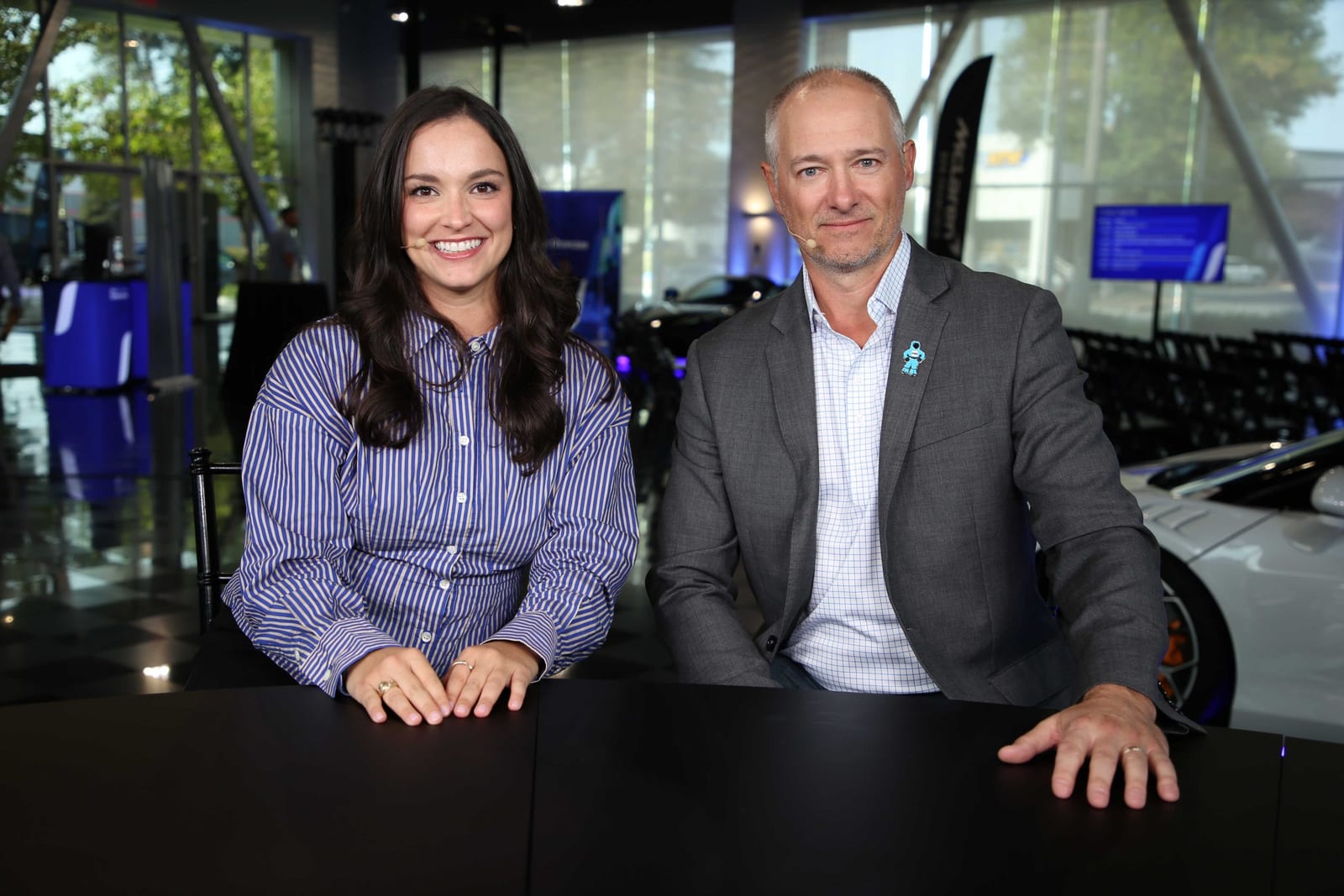
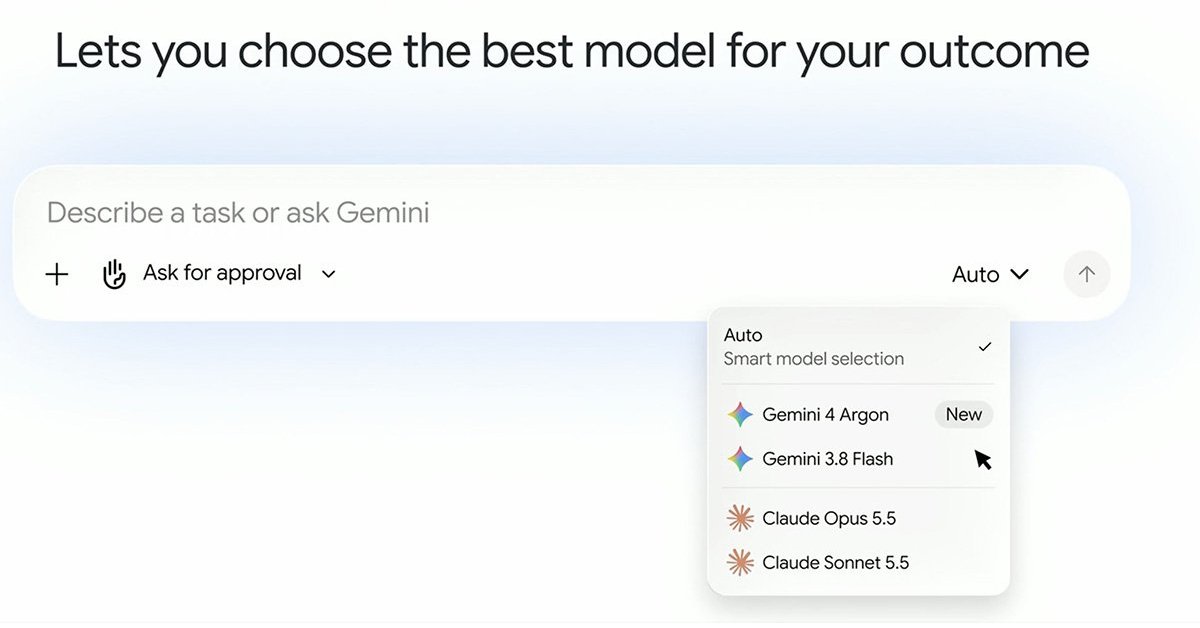
Google Cloud announced Gemini Agent on October 9, a multi-agent tool that runs in the cloud and isn't locked t…
Meta unveiled Muse Wonder and the higher-tier Muse Wonder Full on October 12, calling them its largest and mos…
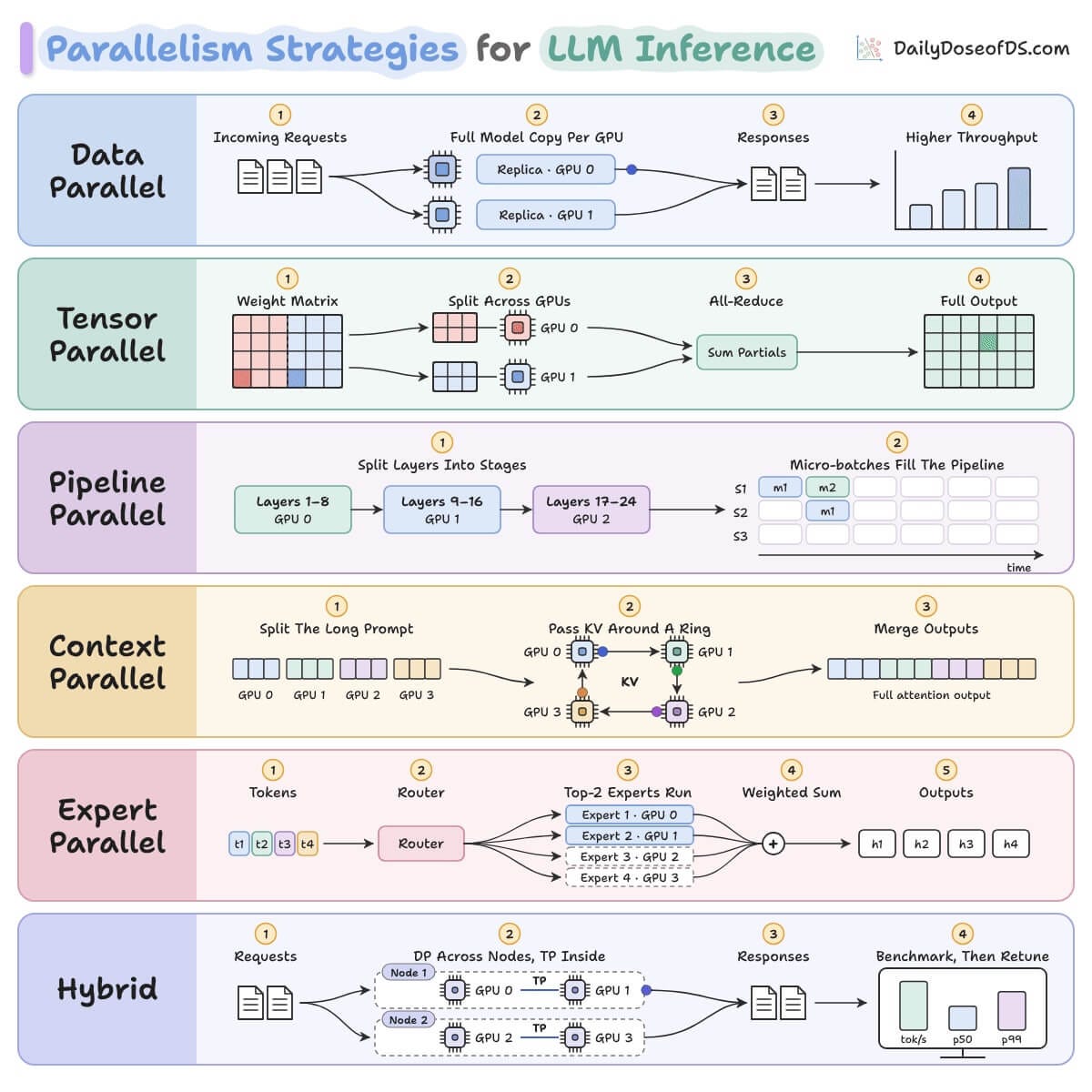
A newsletter laid out six common strategies for parallelizing LLM inference — data, tensor, pipeline, context…
A developer entered the 5th Agentic AI Hackathon with Google Cloud with "Vulnerability Busters," which scans a…

The developer of HACH, a resident AI agent for Slack, Teams and Chatwork, published a design guide arguing lon…

