What happened
Franklin Templeton is using OpenAI's Codex and other tools to build a connected intelligence layer combining research, risk, compliance and trading inputs for portfolio managers, per SVP Katrina Dudley.
Why it matters
Dudley says AI now surfaces insights rather than automating a human-led process, and the firm wants tools that widen research diversity and flag investment risks to inform decisions.
WHO IT HITSPortfolio managers and equity analysts at asset managers stand to gain faster, consolidated views of research, risk and compliance inputs, though the body frames this as Franklin Templeton's own workflow rather than a proven firmwide result.
Summaries like this, every morning.
Franklin Templeton's early attempt at AI put data in a database and connected models to it, but the models did not understand how the data fit together, so the answers fell short. Adding agents and a semantic layer — a structured model of what the firm's data means and how it connects — changed the results, according to Dudley. That experience shaped the firm's current push to build a governed, reusable intelligence foundation that brings together trusted connectors, portfolio and workflow context, and agentic capabilities.
The firm's framing has shifted from automating a human-led, sequential equity-research workflow — where an analyst performs first-pass stock analysis, reviews earnings calls and studies competitors — to what Dudley calls continuous intelligence combined with human judgment. Franklin Templeton has used Codex in hackathons with investment practitioners and is now working to turn experiments into production-ready tools with security review, expert support and data controls.
A key design concern is that many AI tools learn a user's preferences and show more of the same, which the firm sees as a potential source of biased perspective in investing. Franklin Templeton wants the opposite — access to diversity of research and opinion — and wants its systems to emphasize investment risks, so portfolio managers are aware of them when making decisions.
Pick your industry and the AI tools you use, and get news related to your work every day.
Free · 30 seconds with Google · unsubscribe anytimeWhat is AIToday? →
Ask AI anything about this article. The AI reads this article, earlier AIToday articles, and Wikipedia, and cites its sources. Q&As are published on this page for other readers too.
The S&P 500 fell 4.3% and the Nasdaq Composite 5.5% on Nov
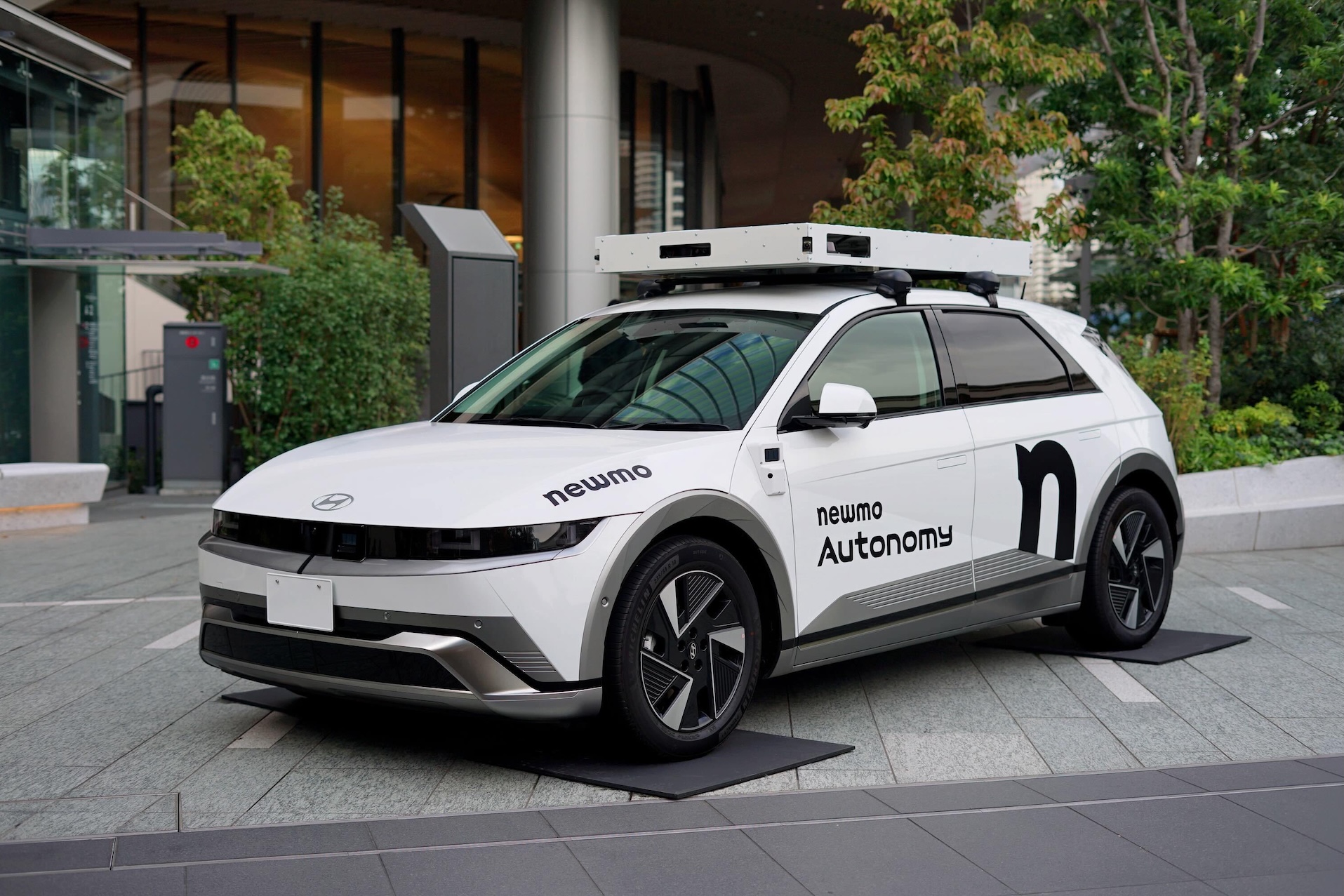
newmo and KDDI said on November 6 they signed a capital tie-up for autonomous taxis, with KDDI Smart Mobility…
The column argues running an AI-written tool locally keeps your photos off remote servers, since only what the…

In a Zenn write-up, the author explains that the ALPACA-template maps Waterfall's QG1–QG6 quality gates onto A…

Mikami of Canly's store-acquisition team used aidlc-workflows' bugfix scope on a Google Business Profile CSV b…
The Nasdaq 100 fell 6.4% on Thursday, a record $2.3 trillion of market cap wiped out, while the Philadelphia s…


