What happened
NetApp and Iterate.ai are packaging the AIPod Mini with Iterate's Generate platform and an embedded LLM, so enterprises can run AI queries locally on their own hardware.
Why it matters
The companies say open-weight and closed models are getting close to the frontier, which the partners see as making privately run AI a credible option for enterprises that want to keep data under their own control.
What to watch
Iterate.ai's results — an insurance accident-report analysis cut from about eight hours to eight minutes, and a forensic agent that identified $17.4 million in denied claims — are early examples; the test is whether such outcomes carry over to other customers.
WHO IT HITSThis matters most to enterprise IT teams that want to run generative AI without sending data to a third-party service, and to revenue-cycle staff at hospitals weighing agent-based claims recovery.
Summaries like this, in your inbox every morning.
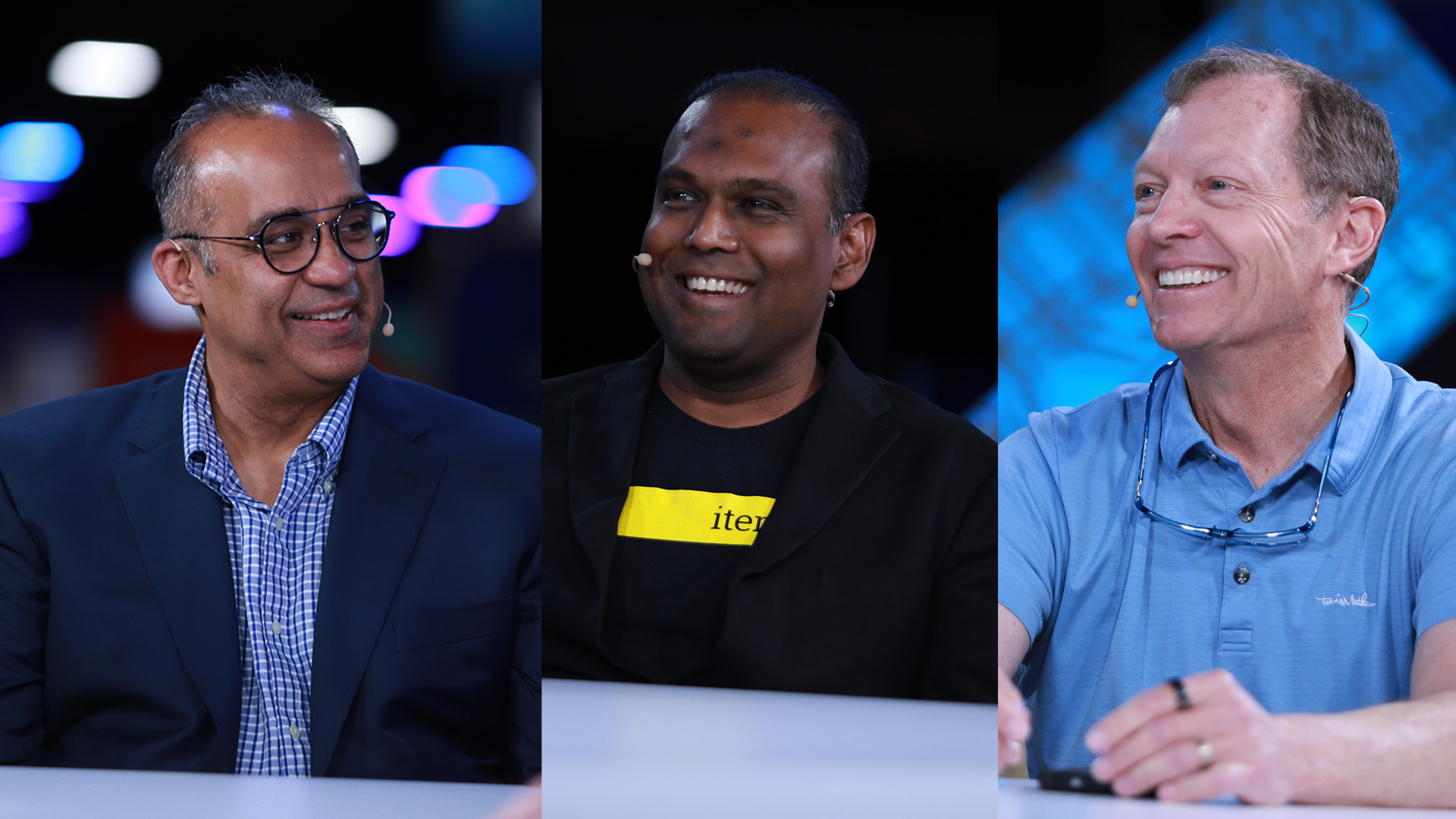
The pitch from NetApp and Iterate.ai rests on a shift the two companies describe: open-weight models are closing in on proprietary frontier systems, so enterprises now have a credible way to run generative AI on hardware they own. NetApp's Ashish Dhawan said the past two years went largely into getting sprawling data estates ready for AI, and that this is why productivity gains are now landing across industries.
The partnership's answer is the AIPod Mini, which keeps the model, the hardware and the data under the customer's control rather than sending information to a third-party service. Iterate.ai's Generate software runs on top with an embedded LLM, so queries stay local. Iterate.ai frames this as outcome-based AI, judged on business results rather than technical specifications — the kind of framing that matches the concrete examples the partners cite, such as the insurance analysis cut from about eight hours to eight minutes.
The stakes appear to hinge on whether those early results travel beyond the first deployments. The hospital example — $17.4 million in denied claims identified for an institution with $150 million in annual billing — suggests the appeal is strongest where back-end workflows are expensive and auditable. As autonomous agents take on that work, governance and permission over what they can access may become the deciding factor for enterprises weighing whether to keep both data and models inside their own four walls.
Pick your industry and the AI tools you use, and get news related to your work every day.
Free · 30 seconds with Google · unsubscribe anytimeWhat is AIToday? →
Ask AI anything about this article. The AI reads this article, earlier AIToday articles, and Wikipedia, and cites its sources. Q&As are published on this page for other readers too.
DIGITIMES estimates global AI server shipments will exceed 2.5 million units in 2026, including 2.37 million h…
Google Cloud revenue grew 82% to $24.77B on Alphabet's TPU-powered stack, while NVIDIA's revenue rose 105.8% a…

European AI-focused startups raised $23 billion in the first half of 2026, up 130% year over year and 55% of t…

Mercor had 12 licensed CPAs work through simplified APEX Accounting Benchmark tasks
At Fortune's AIQ Summit, Bank of America's Hari Gopalkrishnan said the bank evaluates AI across 16 risk dimens…

The SEC revealed cases where fund advisors allegedly sold investors pre-IPO shares of SpaceX, OpenAI and other…