What happened
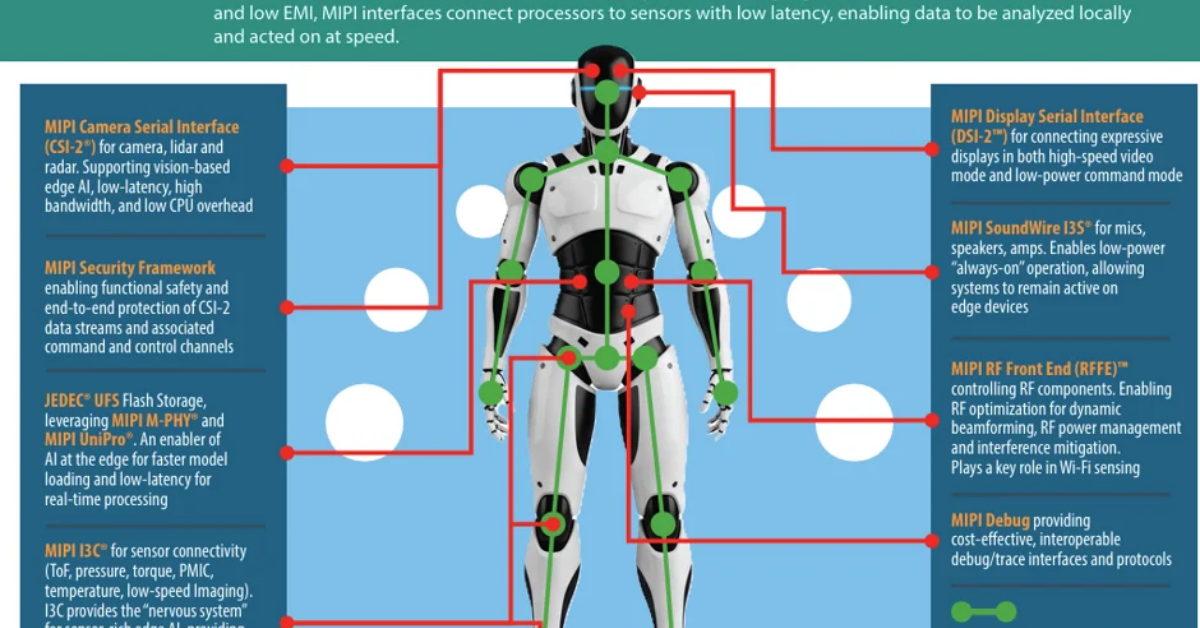
MIPI Alliance has formed the Physical AI Birds of a Feather (BoF) group to explore how its standardized interfaces can support humanoid robots, replacing fragmented, vendor-specific architectures.
Why it matters
Current humanoid designs rely on optimized electrical components and proprietary systems, which raises costs and limits scalability. A shift to standardized interfaces could cut costs, reduce power use, simplify software development, and enable a unified machine-learning model across sensor data.
What to watch
The BoF group will analyze the needs of the entire humanoid architecture and identify where MIPI interfaces can deliver the most practical benefits, including cost reduction and environmental gains, though no specific standards have been announced yet.
Summaries like this, in your inbox every morning.
Humanoid robot development has so far relied on specially designed electrical components and proprietary architectures, which drives up costs and complicates integration. MIPI Alliance's new initiative aims to move the industry toward standardized interfaces, which could allow different subsystems to work together more easily. This shift might lower costs and power use, and simplify software development, making humanoid robots more practical. However, some tasks may still require specialized subsystems, so the transition may not be complete.
Pick your industry and the AI tools you use, and get news related to your work every day.
Free · 30 seconds with Google · unsubscribe anytimeWhat is AIToday? →
Ask AI anything about this article. The AI reads this article, earlier AIToday articles, and Wikipedia, and cites its sources. Q&As are published on this page for other readers too.
Skild AI used Nvidia Isaac Sim to give its S1 model one objective — score a goal — and let it compete against…
Yamazaki Mazak and ABEJA said on the 16th they will start joint development of physical AI, using ABEJA's ABEJ…
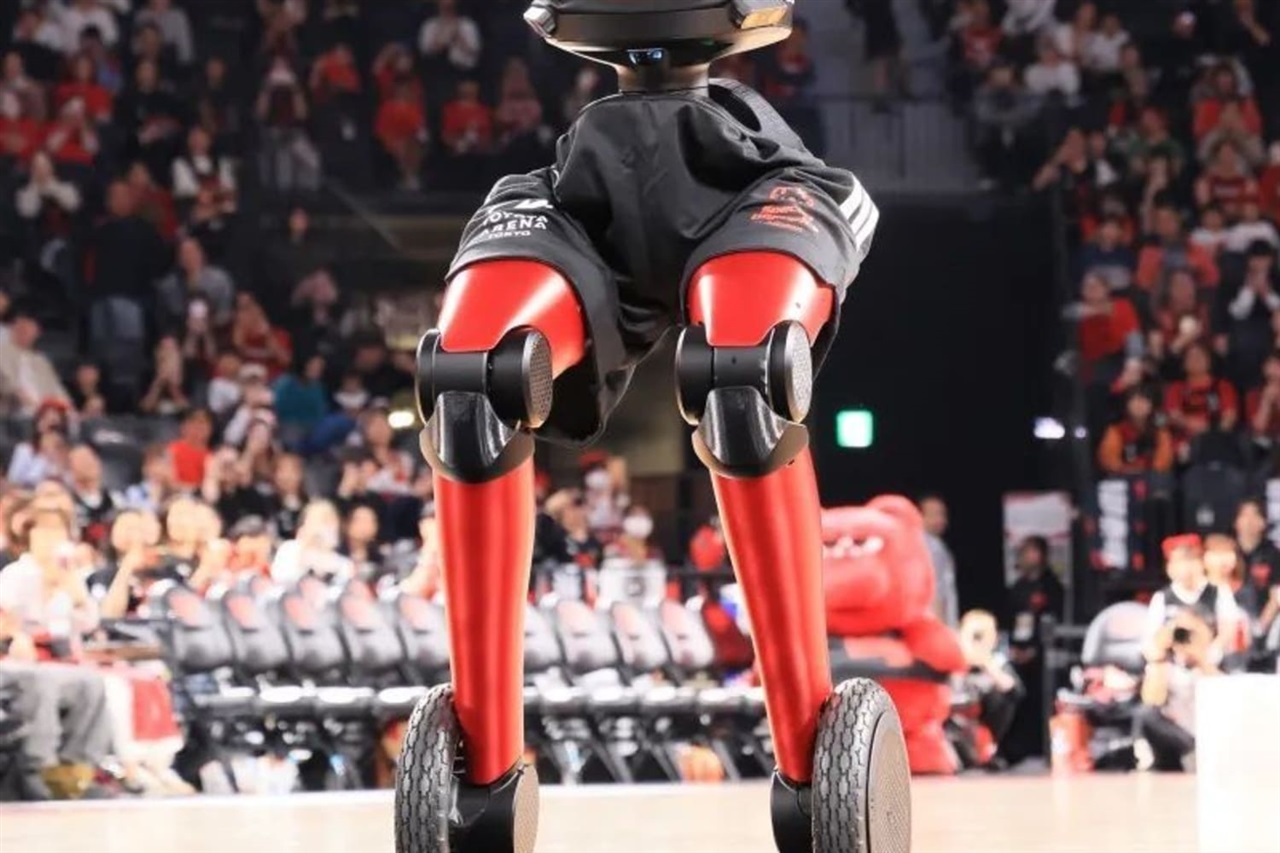
Toyota Motor's Japan Mobility Show Bizweek 2026 booth centers on its AI basketball robot CUE7, has no other ex…
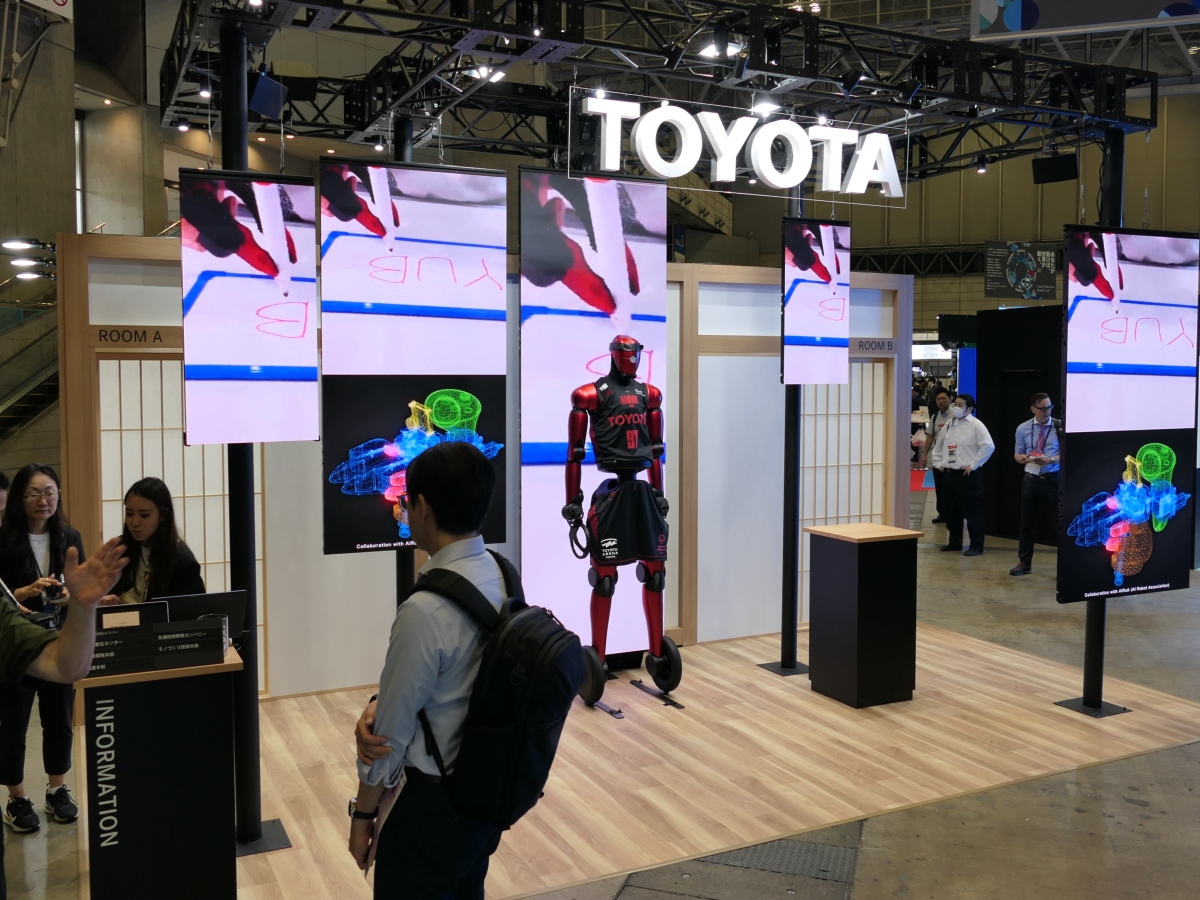
Japan Mobility Show Bizweek 2026 showcased Physical AI applications, including Toyota's basketball-playing rob…
Google pitched Gemini 4 Argon as one model for robot control, simulation and training-data review, saying it s…
Researcher Sammy Azdoufal discovered Energize Lab's Eiliko robot stores 13 million conversations from 68,000 t…