What happened
Writing for Robotics and Automation News, Unbox Robotics CEO Pramod Ghadge said reverse logistics needs AI decisioning plus mobile robots, citing a 491-executive survey where 79 percent called circularity crucial but only 20 percent deemed supply chains fit for purpose.
Why it matters
Returns are erratic and hard to forecast, so AI that grades items in seconds and robots that move them without manual handling could make returns measurable and improvable rather than a tolerated cost centre, according to Ghadge.
What to watch
Ghadge's case rests on adoption, and he cites Gartner projecting that by 2030 half of new warehouses in developed markets will be built with robotic fleets as the operational backbone; whether that materialises is the test.
WHO IT HITSRetail operations and warehouse managers running returns processing are the ones who would feel this shift, since Ghadge says their teams would spend less time inspecting every item and more on exceptions that need judgement.
Summaries like this, in your inbox every morning.
Ghadge's argument starts from a structural mismatch. Ecommerce spent a decade optimising the forward path from warehouse to doorstep, but warehouses were never built to handle the volume coming back. Reverse logistics is effectively a second supply chain running the opposite way, and the survey data he cites — 79 percent calling circularity crucial against 20 percent judging their supply chains fit for purpose — is his evidence that the gap is wide and acknowledged.
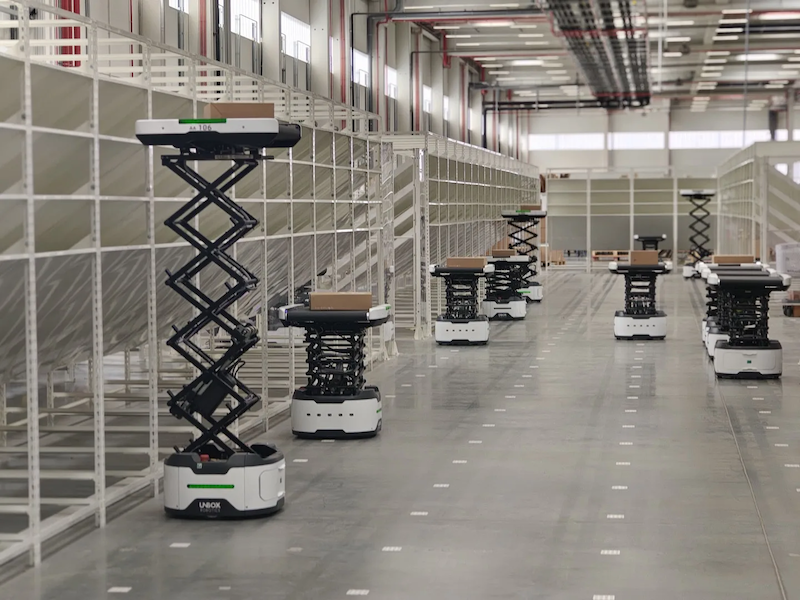
His proposed fix is not one technology but two working in tandem. AI and computer vision assess a returned item and recommend a next step within seconds; mobile robots then move it to the right sorting, grading or restocking location. Ghadge notes many such systems now use decentralised coordination among robots, which lets a fleet adapt in real time as volumes spike instead of stalling at the first bottleneck. He also points to vertical robotic systems that use warehouse height rather than floor space, letting retailers add returns capacity in peak seasons without expanding their footprint — a constraint he treats as pressing wherever space is costly to add.
The stakes hinge on whether this combination moves from pilot to standard practice. Ghadge cites Gartner projecting that by 2030 half of new warehouses in developed markets will be designed with robotic fleets as the operational backbone, and describes the resulting workplace as human-optional, with people reserved for exceptions. Whether retailers treat that as a resilience play or a cost exercise is likely to determine how quickly returns teams are hired and trained differently — a shift Ghadge frames as mattering as much as any efficiency gain.
Pick your industry and the AI tools you use, and get news related to your work every day.
Free · 30 seconds with Google · unsubscribe anytimeWhat is AIToday? →
Ask AI anything about this article. The AI reads this article, earlier AIToday articles, and Wikipedia, and cites its sources. Q&As are published on this page for other readers too.
HENNGE said on October 1 it set up HENNGE AI, a subsidiary with only two directors and no other employees, whe…

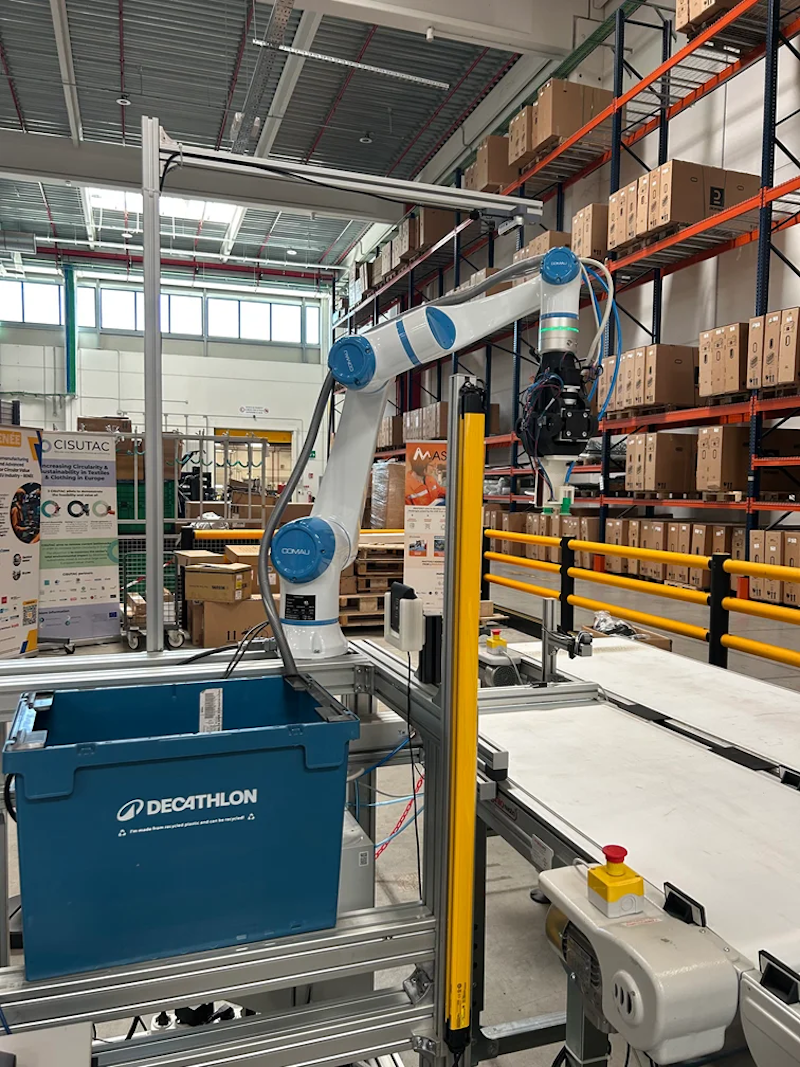
Comau designed and validated an order preparation solution tested within Decathlon's e-commerce fulfillment op…
GUGA said on October 1 it will significantly revise the syllabus for its 生成AIパスポート certification, applying it…

AMD announced AMD Ross, an agentic AI assistant for embedded design and development that runs across the AMD E…

DataSnipper CEO Vidya Peters said audit faces a staffing crisis, with two to two and a half times as many jobs…

Yann LeCun, the 2018 Turing Award winner, said he has "zero concerns" about rogue AI incidents like OpenAI age…