
What happened
DataSnipper CEO Vidya Peters said audit faces a staffing crisis, with two to two and a half times as many jobs open as people to fill them, while federal data shows roughly 200,000 fewer accountants than before the pandemic.
Why it matters
Peters argues AI should ease the shortage rather than replace auditors, suggesting the more common fear that white-collar work is being automated may miss where the real gap sits, at least in audit.
What to watch
The test is whether AI oversight becomes routine work for ordinary auditors, since DataSnipper's 2026 report found trust in AI fell to 55%, while only 13% of organizations have integrated it into real workflows.
WHO IT HITSAudit and finance teams at large firms and public bodies are the immediate audience, since DataSnipper sells to the Big Four, Fortune 500 internal audit teams and public bodies, and its tooling is meant to be reviewed by working auditors rather than specialists.
Summaries like this, in your inbox every morning.
Peters has spent two years arguing that audit faces a crisis of scarcity, but the louder Silicon Valley story has been the opposite one. Microsoft AI CEO Mustafa Suleyman predicted in February that most tasks involving sitting down at a computer, accounting among them, will be fully automated within a year to 18 months. Peters' reply is that this headline gets the profession wrong, and that the people making such predictions are speaking from their own vested interest.
The numbers she points to come from the Bureau of Labor Statistics and the American Institute of Certified Public Accountants. Schools awarded 55,152 accounting bachelor's and master's degrees in the 2023-24 academic year, down 6.6%, though enrollment in accounting programs rose 12.4% in spring 2025, the highest since 2020. Demand keeps climbing meanwhile, with the BLS projecting about 115,300 openings every year through 2035, mostly to replace workers who retire or leave.
DataSnipper's own research cuts the other way. Trust in AI among audit and finance professionals fell to 55% in 2026 from 78% in 2025, and only 13% of organizations have integrated it into real workflows. Peters' answer is traceability, tying every AI output back to a source document so it can be checked. Whether that closes the gap may hinge on whether ordinary auditors, not just specialists, take on the reviewing role she describes.
Pick your industry and the AI tools you use, and get news related to your work every day.
Free · 30 seconds with Google · unsubscribe anytimeWhat is AIToday? →
Ask AI anything about this article. The AI reads this article, earlier AIToday articles, and Wikipedia, and cites its sources. Q&As are published on this page for other readers too.
DIGITIMES reported the SiC substrate market is finally seeing signs of recovery, after prices collapsed when w…

HENNGE said on October 1 it set up HENNGE AI, a subsidiary with only two directors and no other employees, whe…

Pershing Square sold its entire Alphabet stake and topped off Microsoft while it sat about 20% below its Q2 hi…
Aolani will integrate Karman's power orchestration platform, built on a custom NVIDIA Jetson Orin Nano and tar…

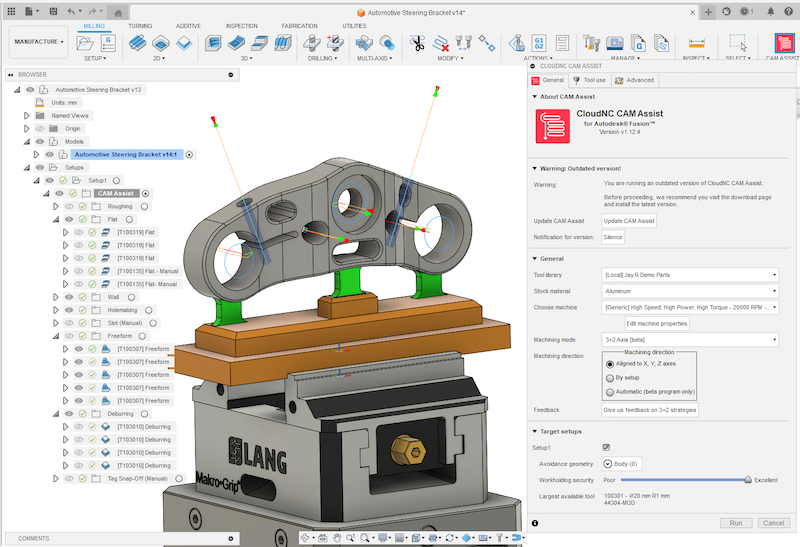
CloudNC raised $20 million led by Nimble Ventures, with Calculus Venture Capital, Entrepreneur First and LM Ve…
Solomon Asamoah laid out a framework for Ghana's AI infrastructure, arguing data-centre approvals should start…