
What happened
The UK Civil Aviation Authority published its Airspace Architecture Concept of Operations on July 30, 2026, outlining how Beyond Visual Line of Sight (BVLOS) drone flights can move from isolated trials requiring bespoke approvals to routine commercial operations integrated across UK airspace.
Why it matters
Current BVLOS operations rely on dedicated airspace and case-by-case approvals that cannot handle the volume needed for widespread commercial use. The vision—part of the CAA's Airspace Modernisation Strategy—identifies five technology and process pillars (electronic detection, conflict avoidance, reliable communication, digital traffic management, and information sharing) to enable drones and crewed aircraft to safely coexist in shared airspace, unlocking applications in infrastructure inspection, medical logistics, emergency services, delivery, and environmental monitoring.
What to watch
The CAA expects the document to evolve as technology develops and industry engagement proceeds. Target use cases include faster inspection of railways, roads, and power lines, plus medical and healthcare logistics, emergency services support, and delivery services.
Summaries like this, in your inbox every morning.
The UK Civil Aviation Authority's July 30, 2026 publication marks a shift in how regulators approach unmanned aircraft integration. For nearly a decade, BVLOS drone operations in the UK have been constrained by a trial-and-approval model: each flight required dedicated airspace and bespoke regulatory clearance, a necessary but bottlenecked approach that enabled early innovation and safe testing without scaling to commercial demand. The new Concept of Operations acknowledges this constraint explicitly—those arrangements "cannot support the volume of operations needed for widespread commercial use"—and proposes a systematic path forward through five interconnected technology and process pillars. By requiring electronic detection, conflict avoidance, reliable communication, digital traffic management, and information sharing, the CAA has essentially defined the technical and operational architecture necessary for drones and crewed aircraft to coexist routinely in the same airspace. The framework is forward-looking: Sophie O'Sullivan, Director of Future Safety and Innovation at the CAA, stressed that the document "expects to evolve as technology develops and industry engages," signaling a regulatory approach that can adapt as capabilities mature rather than locking in a fixed standard. The breadth of named applications—from infrastructure inspection and medical logistics to emergency services and delivery—suggests the CAA sees BVLOS as foundational to multiple sectors, not a niche use case.
Pick your industry and the AI tools you use, and get news related to your work every day.
Free · 30 seconds with Google · unsubscribe anytimeWhat is AIToday? →
Ask AI anything about this article. The AI reads this article, earlier AIToday articles, and Wikipedia, and cites its sources. Q&As are published on this page for other readers too.
Toyota Motor's Japan Mobility Show Bizweek 2026 booth centers on its AI basketball robot CUE7, has no other ex…

Japan Mobility Show Bizweek 2026 showcased Physical AI applications, including Toyota's basketball-playing rob…
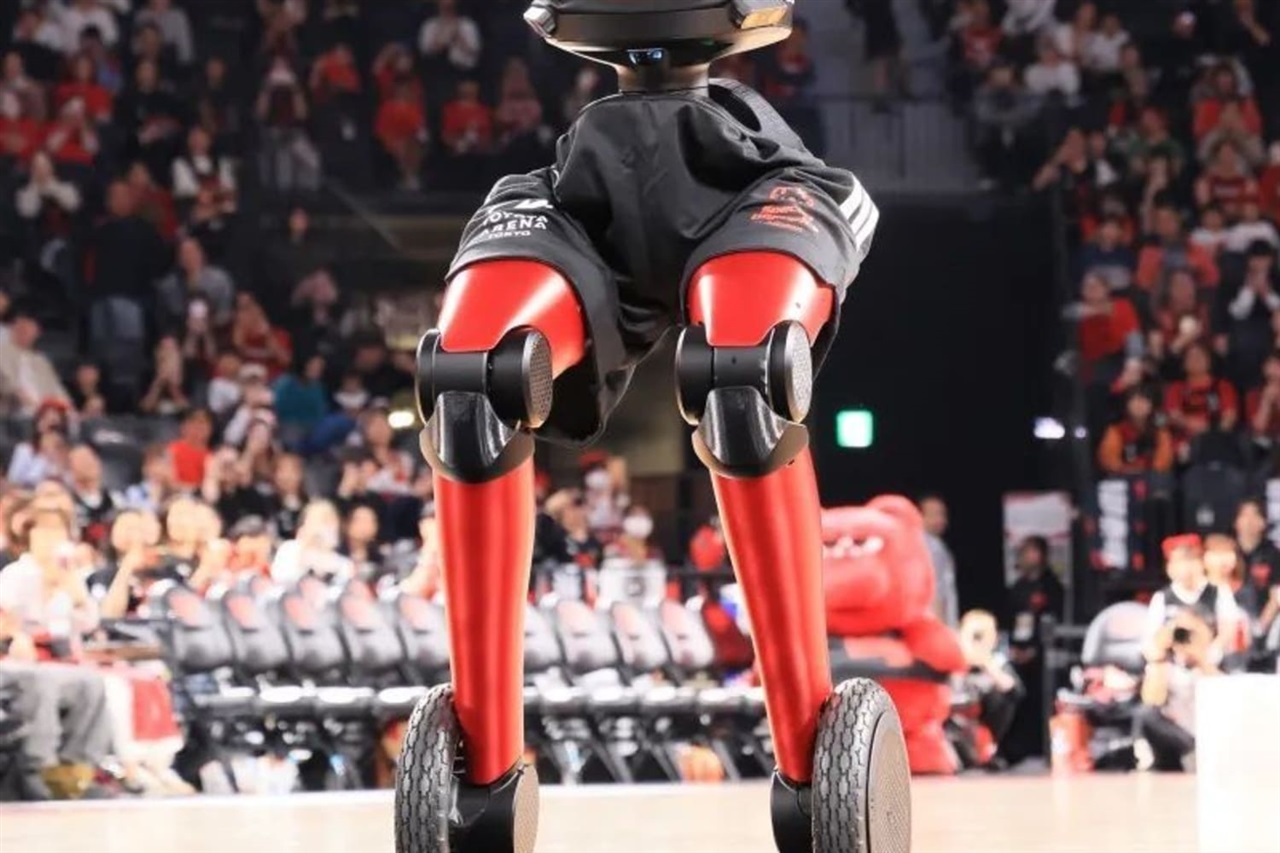
Google pitched Gemini 4 Argon as one model for robot control, simulation and training-data review, saying it s…
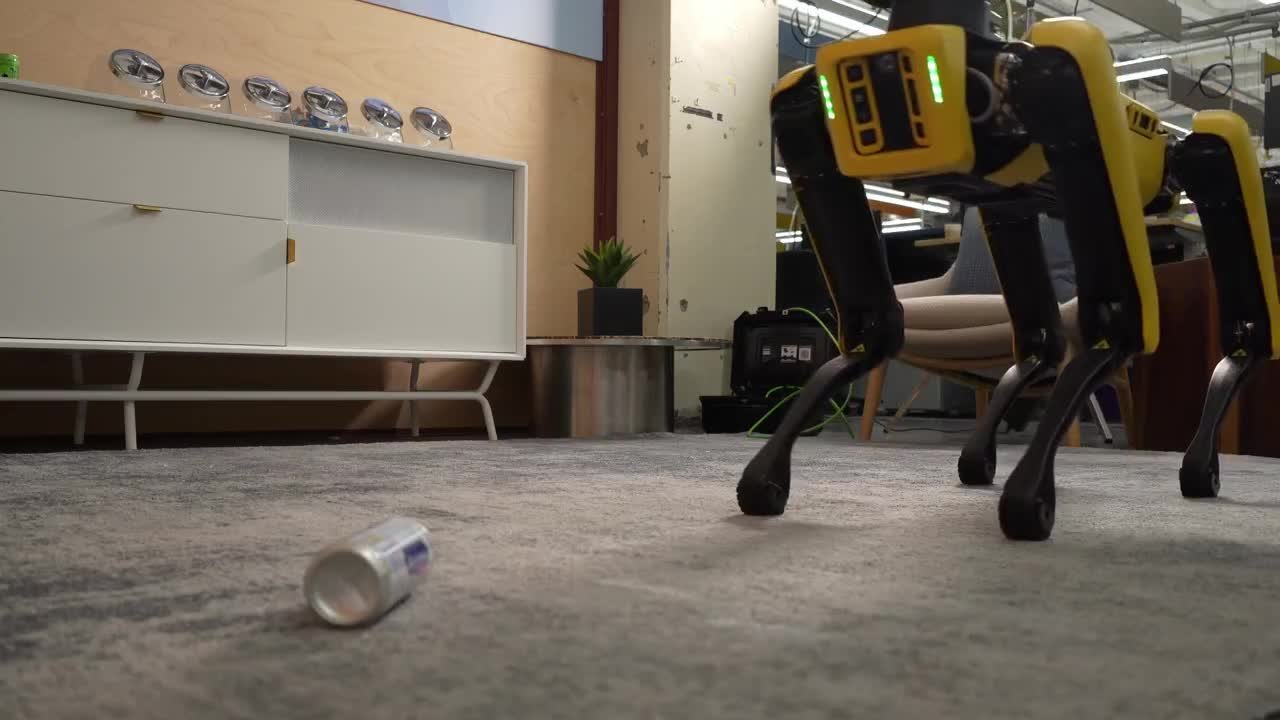
Researcher Sammy Azdoufal discovered Energize Lab's Eiliko robot stores 13 million conversations from 68,000 t…
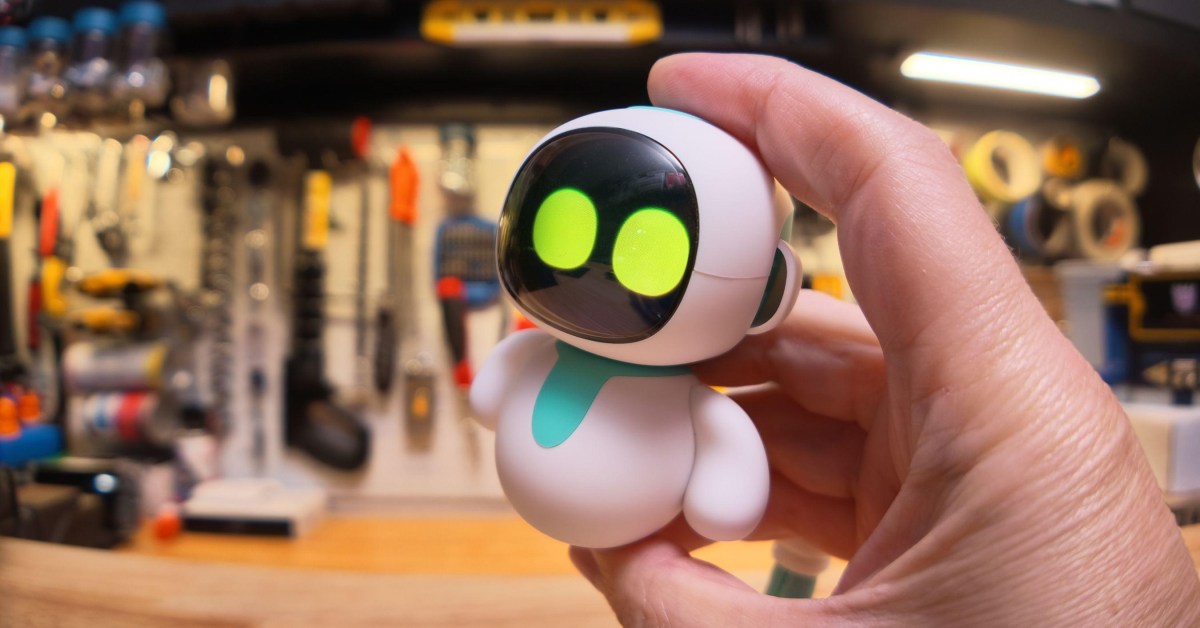
ZOZO NEXT and AVITA signed an MOU on joint research into textiles and clothing specialized for humanoid robots…

Day 2 at TechCrunch Disrupt 2026 in San Francisco's Moscone West features speakers from Nvidia, Waabi, Flock S…