What happened
GitHub shared how it made Copilot more cost-efficient through four changes, including removing unused line numbers and compressing repetitive output. One change cut model-inference cost by about 5% offline and about 3% online.
Why it matters
The company found that focusing on token count per tool call can backfire, increasing overall cost. Optimizing for the whole task, not individual calls, is key to balancing efficiency and quality.
What to watch
Other changes, like the prompt compression, save about 1,300 tokens per turn. GitHub notes that a change saving tokens in one workflow may increase costs in another, so each must be tested in its intended context.
Summaries like this, in your inbox every morning.
GitHub's post highlights a key principle: optimizing for the outcome rather than the tool call. The company demonstrated that shortening individual responses can lead to extra work and higher costs, as the agent may need to reread output or rerun commands. This was shown with RTK, a utility that shortens shell output, which actually increased overall token usage in tests.
The four changes—selective output compression, removing line-number prefixes, prompt compression via meta-prompting, and delivering background results directly—each required careful evaluation. For instance, the prompt compression initially backfired, causing agents to run sequentially instead of in parallel. Only after adding a regression test and simplifying the guidance did it become safe, saving about 1,300 tokens per turn.
The broader takeaway is that efficiency improvements must be measured in the specific workflow where they run. A change that helps code review may hurt CLI usage, and vice versa. GitHub also found that removing line numbers and compressing output each cut prompt tokens per review by about 5%, with no quality loss, highlighting the importance of context-specific validation.
Pick your industry and the AI tools you use, and get news related to your work every day.
Free · 30 seconds with Google · unsubscribe anytimeWhat is AIToday? →
Ask AI anything about this article. The AI reads this article, earlier AIToday articles, and Wikipedia, and cites its sources. Q&As are published on this page for other readers too.
At GTC Berlin, Jensen Huang introduced DSX POD — seven Vera Rubin NVL72 racks per container — and said deploym…

Opposable launched an AI agent that operates Android phones via accessibility services and iPhones through a c…

On Meta's third quarter earnings call, CEO Mark Zuckerberg said the company has a goal of serving billions of…
The PHP Foundation disclosed two critical vulnerabilities, CVE-2026-109618 and CVE-2026-109619, collectively c…
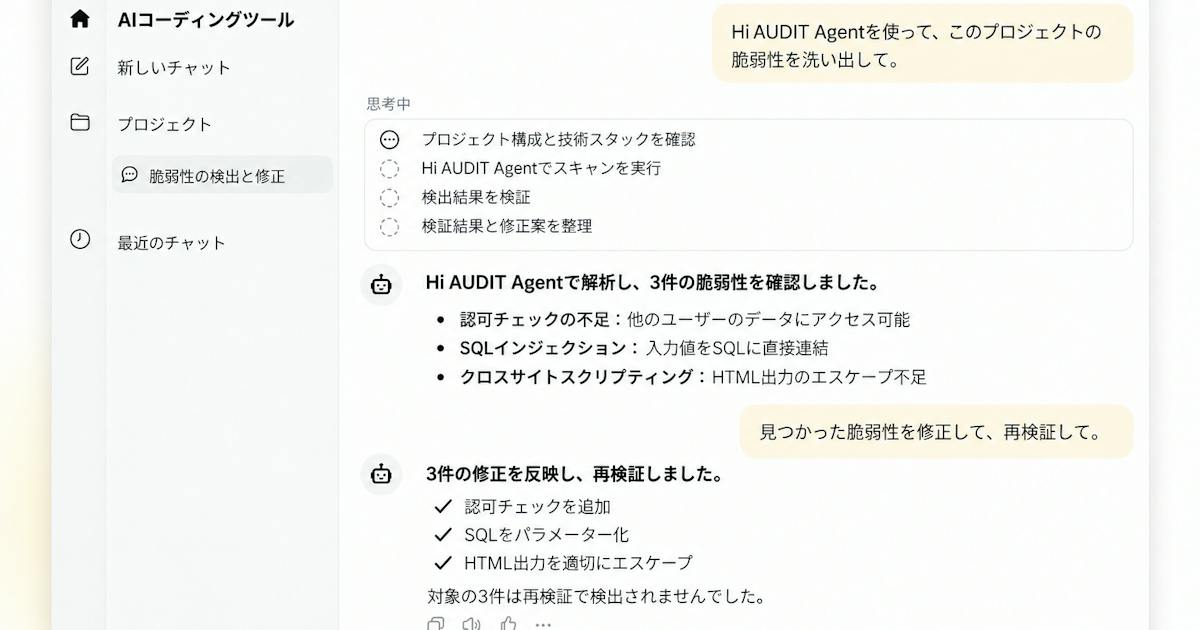
A tech fund has developed an AI agent that detects security vulnerabilities, per Nikkei's technology coverage
OpenAI's full suite of current GPT 6 and 6.1 models—Astra, Sol, and Luna—will launch on Google Cloud and appea…