What happened
Substack is rolling out a tool powered by AI detection company Pangram that scans posts, notes, replies, and comments to estimate how much text may be AI-generated or written with AI assistance. The feature is available on the web and iOS app now, with Android coming soon; readers can analyze content longer than 100 words from the three-dot menu.
Why it matters
Substack co-founder Chris Best frames the tool as a transparency measure to address what he calls "Claudefishing" — when readers unknowingly invest attention in content with "no human thought on the other end." The concern is that platforms rewarding fakeness could undermine trust in authorship and threaten writers' livelihoods, even those using AI tools thoughtfully.
What to watch
Creators can also use Pangram to scan their own drafts and will have an option to report inaccurate results. Substack is introducing a new "How I make this" statement so writers can explain their writing process to readers. Pangram can detect AI use but cannot assess whether great human care went into the work or whether AI was used only as a source.
Summaries like this, in your inbox every morning.
The move reflects Substack's effort to preserve trust on a platform increasingly populated by AI-generated content. Chris Best frames the problem not as AI use itself, but as misalignment between reader expectation and reality — specifically when readers unknowingly consume content with "no human thought on the other end." Best calls this "Claudefishing," signaling concern that without intervention, platforms could spiral into a "race to the bottom" where fakeness is rewarded and human writers' livelihoods suffer. The integration with Pangram, a specialized AI detection company, suggests Substack is treating this as a core feature rather than a minor experiment. By pairing detection with a creator-facing "How I make this" statement, Substack is trying to create space for transparent AI use — writers who use AI tools thoughtfully can explain their process — while helping readers distinguish intentional collaboration from undisclosed automation.
For example, today's edition would include:
AI-summarized, only the topics you pick — one digest a day via Email, LINE, or Slack.
Free · 30 seconds with Google · unsubscribe anytimeWhat is AIToday? →
Ask AI anything about this article. Q&As are published on this page for other readers too.
Google opened preorders for the first Googlebook models, priced from US$899
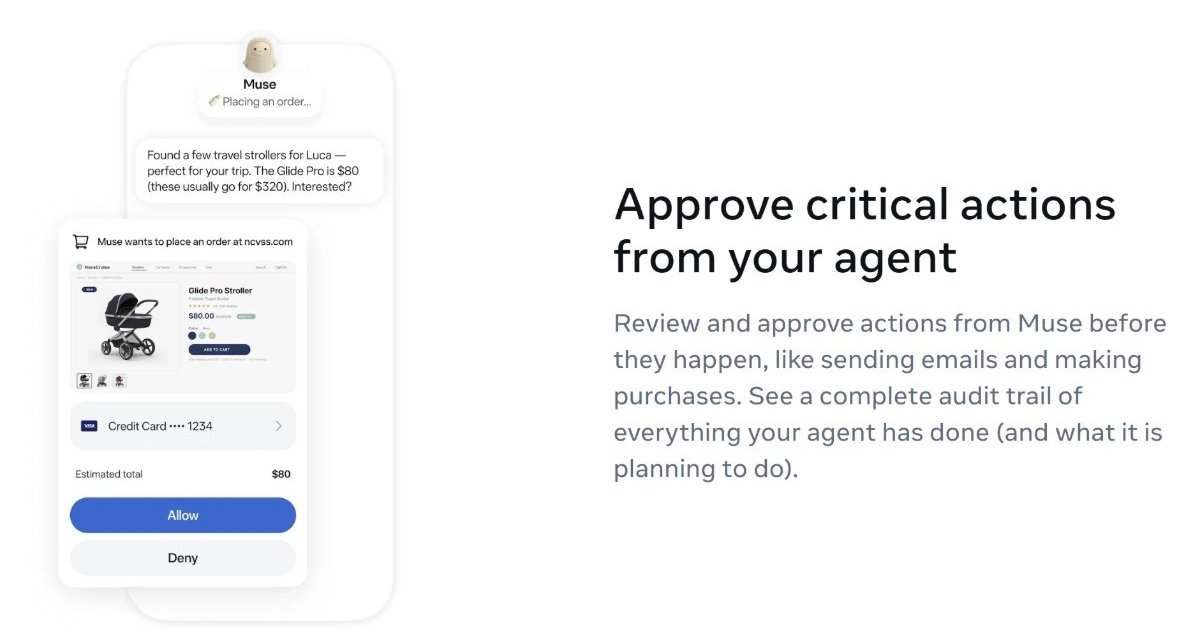
Amazon blocked Meta's AI agent Muse from shopping on Amazon.com, GeekWire reported September 20
OpenAI published a September 21 blog, "Building standards for the next phase of AI," proposing US-led internat…
OpenAI said on September 21 it will take advice from AGMAI on judging and publishing AI mathematical results…
SpaceX introduced Grok 4.7, which averaged $4.69 per task on CursorBench 4.0, ahead of GPT-5.6 Sol and Fable 5…

Headwaters began offering SyncLect Agent Garden on September 18, 2026, drawing on Teams meetings and existing…